
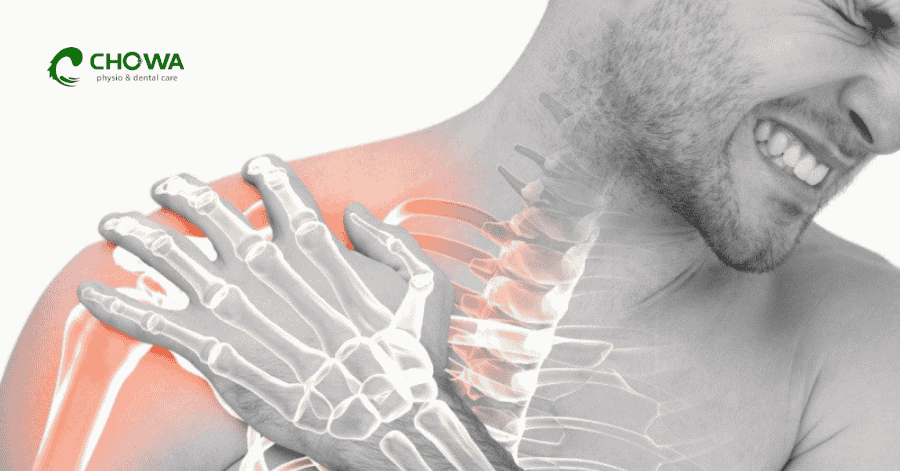
Can frozen shoulder physiotherapy in Gulshan help restore painful and restricted shoulder movement?
Yes, assessment-based physiotherapy may reduce stiffness, improve shoulder mobility, rebuild strength, and make daily activities easier through gradual rehabilitation.
Medical disclaimer: This article provides general educational information only. It does not replace a diagnosis, examination, medication advice, or an individual treatment plan. Seek prompt medical attention for severe pain after an injury, shoulder deformity, significant swelling, fever, persistent numbness, progressive weakness, chest pain, or breathing difficulty.
What Is Frozen Shoulder and Why Does Movement Become Difficult?
Frozen shoulder is a condition that causes increasing pain and stiffness around the shoulder joint. Its medical name is adhesive capsulitis.
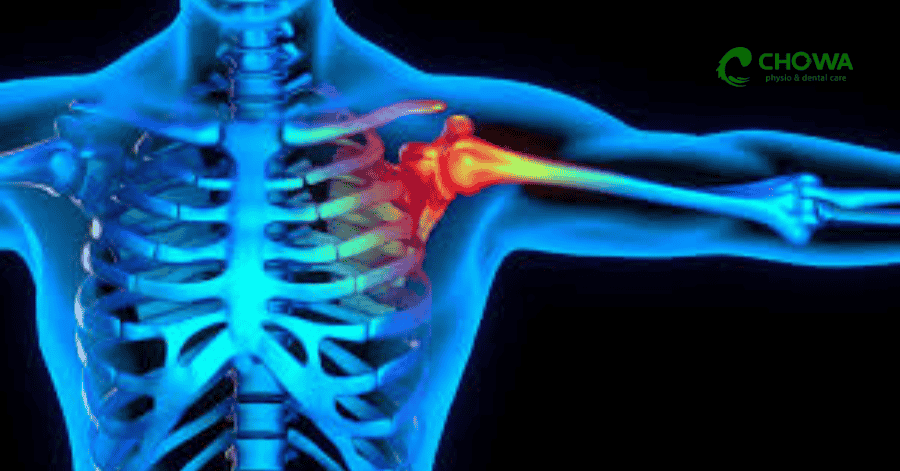
The shoulder is surrounded by a flexible layer of connective tissue called the joint capsule. This capsule normally allows the upper arm to move smoothly in different directions. In frozen shoulder, the capsule becomes inflamed, thick, tight, and less flexible. Adhesions may develop inside the capsule, making the shoulder increasingly difficult to move.
The condition can affect both active movement and passive movement. Active movement means moving your arm by yourself. Passive movement means someone else, such as a physiotherapist, gently moving the arm for you. In frozen shoulder, both types of movement are usually restricted.
This is one reason frozen shoulder is different from a mild muscle strain. A person may struggle to lift the arm overhead, reach behind the back, wear a shirt, comb their hair, fasten clothing, or sleep comfortably on the affected side.
People searching for frozen shoulder physiotherapy in Gulshan often describe the shoulder as “stuck,” “locked,” “heavy,” or “too painful to move.” A proper assessment is important because rotator cuff problems, arthritis, neck-related pain, and other shoulder conditions can create similar symptoms.
The Difference Between Frozen Shoulder and General Shoulder Pain
Not every painful or stiff shoulder is frozen shoulder.
Rotator cuff pain may hurt during lifting but does not always restrict passive movement in the same pattern. Arthritis may cause pain, stiffness, and changes visible on an X-ray. Neck-related nerve irritation may produce shoulder pain with tingling, numbness, or pain travelling down the arm.
Frozen shoulder commonly produces a distinctive loss of movement in several directions, particularly outward rotation and overhead movement. A clinical assessment helps determine whether the symptoms fit adhesive capsulitis or another problem.
Imaging is not always needed to diagnose frozen shoulder. However, an X-ray, ultrasound, or MRI may sometimes be recommended to rule out arthritis, a fracture, or a rotator cuff injury.
The Three Stages of Frozen Shoulder
Frozen shoulder usually develops in stages. These stages are useful for treatment planning because the shoulder may respond differently depending on whether pain or stiffness is the main problem.
The Freezing Stage
During the freezing stage, pain gradually increases while shoulder movement becomes more restricted. Night pain may become intense and interfere with sleep.
Daily tasks can become unexpectedly difficult. Reaching for a shelf, putting on a shirt, washing hair, or lifting a bag may trigger pain. This stage may last for several weeks or months.
Treatment during this period should be pain-sensitive. Forceful stretching may aggravate the shoulder. Gentle movement, symptom control, education, and carefully selected exercises are usually more appropriate.
The Frozen Stage
During the frozen stage, pain may become less intense, but stiffness often remains severe. The shoulder may feel mechanically blocked.
Patients may have difficulty reaching overhead or behind their back. Work, household activity, dressing, driving, and personal care may remain challenging.
Rehabilitation may focus more strongly on gradual mobility restoration while continuing to respect pain and irritability.
The Thawing Stage
During the thawing stage, shoulder movement slowly begins to return. Strength and confidence may still be reduced because the arm has not moved normally for a long time.
Exercise can gradually progress from assisted mobility to strengthening, coordination, lifting, and functional tasks.
Recovery varies considerably. Frozen shoulder can take months or, in some cases, several years to resolve fully. This is why realistic expectations are essential during frozen shoulder rehab in Gulshan.
Common Symptoms That May Need Frozen Shoulder Treatment in Gulshan
Common signs include:
- Pain while lifting or rotating the arm
- Difficulty reaching above the head
- Difficulty reaching behind the back
- Night pain that disturbs sleep
- Gradually worsening shoulder stiffness
- Difficulty dressing or fastening clothing
- Pain while combing or washing hair
- Trouble carrying bags or household items
- Reduced ability to work, drive, or exercise
- Pain around the outer shoulder or upper arm
Patients may first notice pain before they recognize the loss of movement. As stiffness progresses, the arm may become difficult to use even when pain is moderate.
Frozen shoulder treatment in Gulshan should begin with an assessment because the same symptoms may arise from a rotator cuff tear, arthritis, tendon irritation, neck-related pain, or injury.
What Causes Frozen Shoulder?
The exact cause is not always clear. Frozen shoulder may appear without a specific injury. This is sometimes called primary or idiopathic frozen shoulder.
In other cases, it develops after:
- Shoulder surgery
- Upper-arm or shoulder fracture
- Prolonged use of a sling
- An injury that limits arm movement
- A period of illness or reduced mobility
- Pain that causes the patient to stop using the shoulder
Diabetes is a recognized risk factor. People with thyroid disorders may also have an increased risk. Frozen shoulder most commonly affects adults between 40 and 60, although it can occur outside this age range.
Patients with diabetes may experience more severe stiffness or a longer recovery period. Good medical management of diabetes and other related conditions may therefore support the overall recovery plan.
Pain-related avoidance can also contribute to stiffness. When movement hurts, a person naturally protects the arm. Over time, reduced movement may increase weakness, tightness, and fear of activity.
When Should You Start Frozen Shoulder Physiotherapy in Gulshan?
You should consider frozen shoulder physiotherapy in Gulshan when shoulder pain and stiffness continue for several weeks, gradually worsen, or affect sleep and daily activity.
Professional assessment is especially useful when:
- You are losing shoulder movement without a clear reason
- Pain makes dressing or grooming difficult
- You cannot comfortably reach overhead
- Night pain repeatedly interrupts sleep
- Rest and basic home care are not helping
- The shoulder is becoming progressively stiffer
- Work or household duties are becoming difficult
- You recently had surgery, a fracture, or immobilization
Early physiotherapy does not mean forcing the shoulder. Treatment should match the stage, pain level, and movement restriction.
During a highly painful stage, the goal may be to calm irritation and maintain tolerable movement. During a stiffer stage, treatment may gradually place more emphasis on mobility and strength.

Adhesive Capsulitis Treatment Gulshan: How Assessment Works
A detailed assessment is the foundation of adhesive capsulitis treatment Gulshan.
The physiotherapist may begin by asking:
- When did the pain start?
- Did it begin after an injury or operation?
- Is the pain worse at night?
- Which activities have become difficult?
- Do you have diabetes or a thyroid condition?
- Is there numbness, tingling, or arm weakness?
- Have you had imaging or previous treatment?
- What are your work and daily activity demands?
The physical examination may include:
- Comparing both shoulders
- Measuring active movement
- Measuring passive movement
- Checking shoulder rotation and elevation
- Assessing muscle strength
- Observing shoulder-blade control
- Reviewing posture and neck movement
- Testing practical tasks such as reaching and dressing
Limited active and passive movement is an important feature of frozen shoulder. [1] The assessment also helps identify symptoms that may require a doctor, orthopaedic specialist, or further imaging.
Shoulder Pain Physiotherapy Gulshan: What Treatment May Include
Shoulder pain physiotherapy in Gulshan may include several treatment methods. The exact combination depends on the stage of frozen shoulder, symptom severity, health history, and functional goals.
Gentle Movement Therapy
Gentle movement helps prevent complete inactivity and may support gradual mobility restoration. Exercises should remain within a tolerable range, particularly during the painful stage.
The aim is not to force the arm through intense pain. Controlled movement is usually more useful than aggressive stretching.
Manual Therapy
Manual therapy may include gentle joint mobilization, soft-tissue techniques, and guided shoulder movement. It may help reduce stiffness and improve movement tolerance when clinically suitable.
The intensity should be adjusted to the patient’s symptoms. Strong mobilization during a highly irritable stage may increase pain.
Therapeutic Exercise
Exercise may include assisted movement, mobility work, shoulder-blade control, rotator cuff strengthening, and functional training.
Exercises should progress as the shoulder becomes less painful and more mobile.
Posture and Shoulder-Blade Control
The shoulder blade supports arm movement. When the shoulder becomes stiff, patients may compensate by lifting the shoulder or leaning the body.
Posture guidance and shoulder-blade exercises can improve movement quality and reduce unnecessary strain.
Supportive Modalities
Heat may be used before stretching to make movement more comfortable. Cold may help after activity in some cases. Electrotherapy may also be considered as a supportive pain-management tool.
These approaches should complement exercise and education rather than replace active rehabilitation.
Non Surgical Frozen Shoulder Treatment Gulshan
Most frozen shoulder cases are initially managed without surgery. Non surgical frozen shoulder treatment Gulshan may include physiotherapy, education, activity modification, pain management, and home exercises.
A doctor may also discuss medication, a corticosteroid injection, or hydrodilatation when symptoms are severe or not responding to basic care. These treatments must be provided or coordinated by an appropriately qualified medical professional.
Physical therapy remains a central part of restoring shoulder movement and strength.
Surgery is generally considered only when symptoms remain significantly limiting despite appropriate conservative treatment. Options may include manipulation under anaesthesia or arthroscopic release, followed by rehabilitation.
Frozen Shoulder Exercise Therapy Gulshan: Safe Movement Progression
Frozen shoulder exercise therapy Gulshan should be individualized. Exercises that are useful in the thawing stage may be too painful during the freezing stage.
Pendulum Movement
The patient leans slightly forward while allowing the arm to relax and move gently. This can introduce comfortable motion without demanding strong muscle effort.
Assisted Forward Elevation
The unaffected arm, a stick, or a table may be used to assist the painful arm upward within a comfortable range.
Wall Slides
The fingers or forearm slide gradually up a wall to encourage controlled elevation.
External Rotation Exercise
A stick, towel, or doorway may be used to guide outward shoulder rotation carefully. This movement is commonly restricted in frozen shoulder.
Behind-the-Back Mobility
This exercise may be introduced later and should not be forced. It can support dressing, fastening clothes, and personal care.
Shoulder-Blade Strengthening
Gentle retraction and control exercises may help the shoulder blade support arm movement more effectively.
Rotator Cuff and Arm Strengthening
As pain reduces and movement improves, resistance exercises can be introduced gradually.
The number of repetitions, range, and intensity should be selected by the treating physiotherapist. [1] Random, forceful, or strenuous exercises can make pain worse.
Shoulder Mobility Therapy Gulshan for Daily Function
Shoulder mobility therapy Gulshan should focus on meaningful daily tasks, not only numbers measured with a device.
Functional goals may include:
- Reaching a kitchen shelf
- Washing or combing hair
- Wearing a shirt or jacket
- Fastening clothing
- Reaching a seat belt
- Carrying groceries
- Lifting light household objects
- Sleeping more comfortably
- Returning to office or household work
A patient does not always need perfect shoulder movement immediately to regain useful independence. Small improvements can make daily life much easier.
Functional progress also improves confidence. As the shoulder becomes more usable, patients often become less fearful of movement.
Shoulder Stiffness Treatment Gulshan: Home Care and Daily Habits
Shoulder stiffness treatment Gulshan continues outside the clinic. Daily habits can either support recovery or repeatedly irritate the shoulder.
Keep the Shoulder Gently Active
Complete rest may increase stiffness. Use the shoulder within a tolerable range while avoiding activities that cause sharp or prolonged pain.
Avoid Forceful Stretching
More pain does not automatically mean more progress. Sudden pulling or aggressive stretching may increase inflammation and guarding.
Find a Comfortable Sleeping Position
Avoid lying directly on the painful shoulder if it increases symptoms. Supporting the arm with a pillow may reduce strain.
Use Heat or Cold Safely
A wrapped heat pack may help relax the shoulder before exercise. Cold may feel more comfortable after activity for some patients. Avoid direct skin contact and follow professional advice.
Modify Desk Work
Keep the keyboard and mouse close. Support the forearm if needed. Avoid holding the shoulder in a raised position for long periods.
Follow the Prescribed Program
Consistent, manageable exercises are usually more useful than occasional intense exercise.
Recovery requires patience. Frozen shoulder often improves slowly rather than changing overnight.
Frozen Shoulder Pain Relief Gulshan: Managing the Painful Stage
The painful stage can be particularly difficult because symptoms often worsen at night. Poor sleep may reduce energy, concentration, and tolerance for exercise.
Frozen shoulder pain relief Gulshan, may include:
- Temporarily modifying painful activity
- Gentle movement within tolerance
- Heat or cold as advised
- Medication guidance from a doctor or pharmacist
- Supported sleeping positions
- Manual therapy when suitable
- Education about the expected recovery process
Pain relief and mobility recovery do not always progress at the same speed. Pain may improve before movement returns, or movement may improve while some discomfort remains.
Treatment should be adjusted according to symptom response.
Chronic Shoulder Pain Treatment Gulshan: When Symptoms Continue
Persistent shoulder pain should be reassessed rather than automatically labelled frozen shoulder.
Chronic shoulder pain treatment Gulshan may need to consider:
- Rotator cuff problems
- Shoulder arthritis
- Neck-related nerve pain
- Previous injury
- Post-surgical stiffness
- Tendon irritation
- Muscle weakness
- Movement compensation
Long-term stiffness may cause weakness in the shoulder and arm. Patients may also compensate by leaning their body, lifting the shoulder blade, or using the neck excessively.
A staged rehabilitation plan can help restore mobility first, then build strength, control, and functional capacity.
Frozen Shoulder Rehab in Gulshan: What Recovery May Look Like
Frozen shoulder rehab in Gulshan should include realistic short-term and long-term goals.
Early goals may include:
- Better sleep
- Reduced resting pain
- Easier dressing
- Improved arm movement
- Less fear of movement
Later goals may include:
- Reaching overhead
- Carrying objects
- Returning to work
- Performing household duties
- Resuming exercise or recreation
- Restoring shoulder strength
Progress can be tracked through movement measurements, pain levels, sleep quality, and ability to perform daily tasks.
Recovery speed differs between patients. Diabetes, thyroid problems, symptom duration, exercise consistency, and the stage of the condition may influence progress.
When to See a Frozen Shoulder Specialist in Gulshan
Consider seeing a frozen shoulder specialist in Gulshan when:
- Pain is severe or progressively worsening
- Movement is rapidly decreasing
- Symptoms started after a significant injury
- Weakness seems greater than expected
- Numbness or tingling travels into the arm
- The shoulder is not improving with appropriate rehabilitation
- The diagnosis remains uncertain
- Imaging or an injection may need to be considered
- Surgery has been suggested
A specialist may help confirm the diagnosis, rule out another condition, and coordinate treatment with physiotherapy.
Red Flags That Need Prompt Medical Attention
Not all shoulder symptoms should be managed as frozen shoulder.
Seek prompt medical attention if:
- Pain started after a fall or major accident
- You cannot move the arm suddenly
- The shoulder looks deformed
- There is major swelling
- The shoulder feels unusually hot or cold
- Persistent pins and needles or numbness are present
- Fever, redness, or general illness develops
- Progressive arm weakness occurs
- Chest pain or breathing difficulty accompanies shoulder discomfort
These symptoms may indicate fracture, dislocation, infection, tendon rupture, neurological involvement, or another urgent condition.
Frozen Shoulder Physiotherapy Cost Gulshan: What May Affect Pricing?
Frozen shoulder physiotherapy cost in Gulshan may vary according to:
- Initial consultation and assessment
- Session duration
- Number of follow-up visits
- Stage and severity of the condition
- Manual therapy requirements
- Electrotherapy or other modality use
- Supervised exercise needs
- Length of rehabilitation
- Progress monitoring
- Additional medical referral requirements
An exact total is difficult to determine before assessment. One patient may require a shorter program, while another may need several months of progressive rehabilitation.
Ask whether consultation, treatment, and modality fees are separate. Compare clinics based on assessment quality, safety, communication, treatment planning, and follow-up support—not price alone.
How to Choose a Physiotherapist for Frozen Shoulder Gulshan
A suitable physiotherapist for frozen shoulder Gulshan should provide:
- A detailed assessment before treatment
- Clear explanation of the condition and its stages
- Gentle exercise progression
- Treatment matched to pain and stiffness
- Home exercise guidance
- Progress monitoring
- Recognition of referral signs
- Realistic recovery expectations
Avoid guaranteed claims such as “instant cure,” “100% permanent relief,” or “full movement in a few sessions.” Frozen shoulder recovery varies, and responsible care should explain this clearly.
Best Frozen Shoulder Treatment in Gulshan: What Quality Care Includes
The best frozen shoulder treatment in Gulshan should focus on safety, function, communication, and individual needs.
Quality care includes:
- Accurate assessment
- Clear diagnosis direction
- Stage-based treatment planning
- Pain-sensitive movement therapy
- Gradual shoulder mobility work
- Progressive strengthening
- Patient education
- Home exercise support
- Regular reassessment
- Referral when physiotherapy alone is not enough
The goal is not merely to reduce pain temporarily. It is to help the patient regain useful movement, confidence, and independence.
What to Expect at Chowa Physio & Dental Care
Chowa Physio & Dental Care provides physiotherapy and dental services in Gulshan 2, Dhaka. Its listed physiotherapy approach includes manual therapy, electrotherapy, digital assessment tools, progressive strengthening, chronic pain management, back and neck pain treatment, sports injury care, post-surgery physiotherapy, elderly mobility restoration, and orthopedic rehabilitation.
For frozen shoulder physiotherapy in Gulshan, a visit may include:
- Detailed symptom history
- Review of health conditions
- Active and passive movement assessment
- Strength and posture assessment
- Functional activity review
- Personalized rehabilitation planning
- Guided mobility exercises
- Manual therapy when suitable
- Progressive strengthening
- Home exercise advice
- Follow-up progress review
The clinic is located at House 7A, Road 41, Gulshan 2, Dhaka-1212 and lists daily hours from 10 AM to 10 PM. Appointment requests can be made through its website form, phone, or WhatsApp. [3][4]
The Gulshan 2 location may be convenient for patients from Gulshan, Banani, Baridhara, Niketan, Mohakhali, Badda, and nearby areas.
Why Consider Chowa for Frozen Shoulder Care?
Chowa may be considered for:
- Assessment-based physiotherapy
- Shoulder pain and stiffness support
- Orthopedic rehabilitation
- Chronic pain management
- Manual therapy
- Progressive strengthening
- Mobility-focused rehabilitation
- Convenient access in Gulshan 2
Treatment recommendations should always depend on the patient’s symptoms, stage of frozen shoulder, health history, and physical findings.
Medical Review and Safety Note
This article should be clinically reviewed by a qualified physiotherapist before publication. The reviewer’s name, credentials, and professional role should be displayed with the publication and last-updated dates.
Frozen shoulder information should not be used for self-diagnosis. Treatment outcomes differ between patients, and recommendations must remain assessment-dependent.
FAQs
What is frozen shoulder?
Frozen shoulder, or adhesive capsulitis, is a condition in which the shoulder capsule becomes painful, thick, and tight, gradually restricting movement.
What are the three stages of frozen shoulder?
The stages are freezing, frozen, and thawing. Pain commonly increases during the freezing stage, stiffness dominates the frozen stage, and movement gradually improves during thawing.
What causes adhesive capsulitis?
The cause is often unclear. It may also develop after surgery, fracture, injury, or prolonged immobilization. Diabetes and thyroid conditions are associated with increased risk.
Can frozen shoulder physiotherapy in Gulshan improve movement?
Yes. Physiotherapy may improve shoulder mobility, strength, posture, function, and confidence through stage-appropriate exercises and rehabilitation.
Is non surgical frozen shoulder treatment Gulshan suitable for every patient?
Many cases are managed without surgery, but severe, persistent, or unclear symptoms may need medical review, injection, imaging, or specialist care.
What exercises are used in frozen shoulder exercise therapy Gulshan?
Exercises may include pendulum movement, assisted elevation, wall slides, gentle rotation, shoulder-blade control, and progressive strengthening. Selection depends on the stage and symptoms.
How long does frozen shoulder rehab in Gulshan usually take?
Recovery may take months and sometimes longer. The timeline depends on the stage, symptom severity, health conditions, and response to rehabilitation.
Can frozen shoulder return after recovery?
Recurrence is not common, but it can happen. Risk may be higher when contributing conditions such as diabetes remain poorly controlled.
What affects frozen shoulder physiotherapy cost Gulshan?
Cost may depend on assessment fees, session duration, treatment methods, number of visits, rehabilitation length, and progress-monitoring needs.
When should I see a frozen shoulder specialist in Gulshan?
See a specialist if pain is severe, movement is rapidly worsening, weakness or numbness is present, symptoms followed trauma, or appropriate physiotherapy is not helping.
Can diabetes affect frozen shoulder recovery?
Yes. Diabetes is associated with increased frozen shoulder risk and may be linked with greater stiffness or slower recovery.
How can I book shoulder pain physiotherapy Gulshan at Chowa?
You can request an appointment through the Chowa website form, call the clinic, or use its WhatsApp contact option. Describe your pain, stiffness, sleep difficulty, and movement restriction when booking.
About Chowa Physiotherapy & Dental Care
Chowa Physio & Dental Care is a physiotherapy and dental care center in Gulshan 2, Dhaka, providing patient-focused rehabilitation for chronic pain, orthopedic conditions, sports injuries, post-surgical recovery, mobility limitations, and back, neck, and shoulder problems. For patients searching for frozen shoulder physiotherapy in Gulshan, Chowa offers assessment-based shoulder mobility therapy, guided exercise, manual therapy, progressive strengthening, posture support, and individualized recovery planning.
