
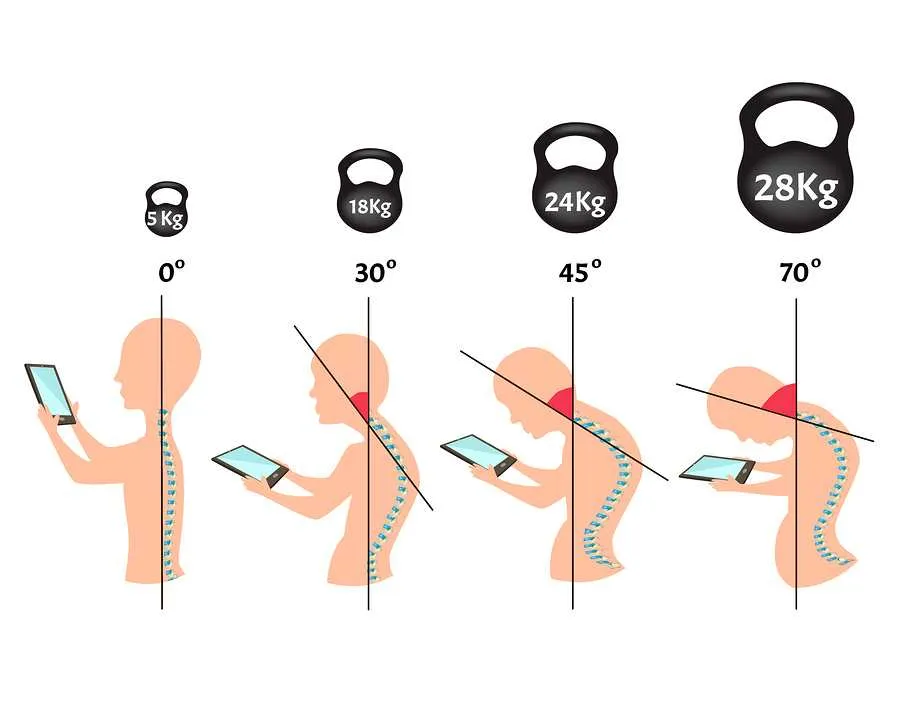
Are you looking for text neck treatment in Gulshan because your neck feels stiff after phone or laptop use?
Text neck treatment in Gulshan may help when neck pain, shoulder tightness, headache, or posture strain is linked with long screen time and forward head posture.
Text neck is a modern posture problem. It often starts quietly. You look down at your phone. You bend over your laptop. You reply to messages, attend online meetings, scroll social media, or study from a screen for hours. At first, the neck only feels tired. Then stiffness appears. Later, shoulder tightness, upper back discomfort, and headache may follow.
For office workers, students, computer users, drivers, freelancers, and phone users in Gulshan, text neck is becoming a serious daily comfort issue. The good news is that early posture assessment, ergonomic guidance, and text neck physiotherapy Gulshan may support safer screen habits and better neck movement.
This guide explains text neck, tech neck treatment in Gulshan, mobile phone neck pain Gulshan, forward head posture treatment Gulshan, neck stiffness treatment Gulshan, and when to visit a physiotherapist for text neck Gulshan.
What Is Text Neck and Why Is It Becoming Common?
Text neck is a posture-related neck strain that may happen when the head stays bent forward and downward for long periods during phone, tablet, laptop, or computer use. It is also called tech neck because digital device use is one of the most common triggers.
In simple words, text neck happens when your neck works too hard to hold your head in a poor position.
The human neck is designed to move. But when the head stays forward for a long time, the neck muscles, shoulder muscles, upper back, and cervical spine may receive extra stress. Over time, this can create stiffness, pain, reduced mobility, and postural imbalance.
Text neck treatment in Gulshan becomes important when this discomfort keeps returning after mobile use, office work, online classes, laptop work, or long screen time.
Simple Meaning of Text Neck for Phone Users, Students, and Office Workers
Text neck simply means neck strain caused or worsened by repeated screen posture.
A student may bend over a laptop for online classes. An office worker may look down at a phone between meetings. A designer may sit in front of a monitor for long hours. A freelancer may work from a sofa or bed. These habits can slowly change how the neck, shoulders, and upper back behave.
Text neck is not only a “phone problem.” It is a digital posture problem.
It may affect:
- Mobile phone users
- Laptop users
- Students
- Office employees
- Computer professionals
- Remote workers
- Drivers who check devices often
- People who sit for long periods
When these habits repeat daily, neck pain from mobile use Gulshan and screen time neck pain treatment Gulshan become highly relevant for local patients.
How Mobile Phone Neck Pain Gulshan Starts From Repeated Downward Head Posture
Mobile phone neck pain Gulshan usually starts from repeated downward head posture. When you keep the phone low, the head bends forward. The neck muscles must work harder to support the head. The shoulders may round. The upper back may become stiff.
This position may not hurt immediately. But if repeated every day, the tissues can become irritated. The body adapts to the posture it uses most. So if you look down for hours, your neck may begin to prefer a forward position. That is when forward head posture can become a repeated pain pattern.
Mobile phone neck pain Gulshan may feel like:
- Tightness at the back of the neck
- Pain at the base of the skull
- Shoulder heaviness
- Upper back fatigue
- Headache after phone use
- Stiffness after scrolling
If the symptoms continue, text neck physiotherapy Gulshan may help assess the real cause.
Why Tech Neck Treatment in Gulshan Is Important for Today’s Screen-Heavy Lifestyle
Tech neck treatment in Gulshan is important because screens are now part of everyday life. Work, study, banking, shopping, entertainment, communication, and business often happen through phones or computers.
Avoiding screens completely is not realistic. So the goal is not to stop using devices. The goal is to use them in a safer way.
Tech neck treatment in Gulshan may include posture correction, ergonomic advice, neck mobility exercises, upper back strengthening, screen height correction, and work-habit changes. The care plan should depend on symptoms and clinical assessment.
A good plan does not only ask you to “sit straight.” It teaches you how to move better, rest better, and reduce repeated cervical strain.
Difference Between Normal Neck Tiredness and Possible Posture-Related Neck Strain
Normal neck tiredness usually improves with rest, sleep, or a short break. It may happen after a long day and disappear the next morning.
Posture-related neck strain may behave differently. It often returns during the same activity. Phone use causes stiffness. Laptop work causes neck pain. Long meetings cause shoulder tightness. The pattern becomes predictable.
Possible text neck signs include:
- Neck pain after screen use
- Stiffness that keeps returning
- Shoulder tightness with phone or laptop use
- Headache linked with posture
- Reduced neck movement
- Pain that improves with rest but returns again
When the same symptoms repeat, posture correction for text neck Gulshan may be useful.
Why People Search for Text Neck Treatment in Gulshan
People search for text neck treatment in Gulshan because neck pain can disturb work, study, sleep, driving, exercise, and mood. It can make simple tasks feel heavy.
Many people first try home tips. They stretch randomly. They change pillows. They massage the neck. Sometimes this helps temporarily. But if the root cause is screen posture, workstation setup, or muscle imbalance, symptoms may return.
Text neck treatment in Gulshan becomes important when:
- Neck pain returns after phone use
- Laptop work creates stiffness
- Shoulder tightness affects work
- Headache appears with poor screen posture
- Neck mobility becomes limited
- Home posture tips are not enough
Early assessment may help prevent symptoms from becoming chronic.
Long Mobile Use, Laptop Work, Online Classes, and Desk-Based Jobs
Long mobile use and laptop work are common in Gulshan’s professional and student lifestyle. Many people use phones while sitting in traffic, working at desks, studying at home, or lying in bed. These positions often place the neck in flexion for long periods.
Online classes and remote work can also increase screen time. Laptop screens are often too low. When the screen is low, the neck bends downward. The shoulders round. The upper back becomes tense.
This is why computer user neck pain physiotherapy Gulshan and office worker text neck treatment Gulshan are important for people who spend many hours with digital devices.
How Neck Pain From Mobile Use Gulshan Can Slowly Affect Daily Comfort
Neck pain from mobile use Gulshan may start as mild discomfort but can slowly affect daily comfort. You may feel stiffness in the morning. You may notice tightness while working. You may avoid turning your neck fully. You may get headaches after scrolling.
This discomfort can affect:
- Office productivity
- Study focus
- Sleep quality
- Driving comfort
- Exercise routine
- Mood and energy
- Shoulder movement
The problem can become more than pain. It can change how you move, sit, and work.
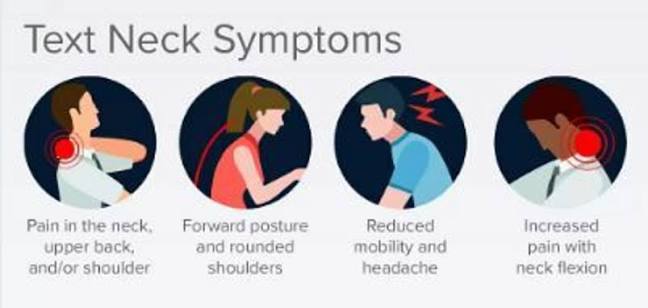
Common Symptoms of Text Neck
Text neck symptoms may vary from person to person. Some people feel only stiffness. Others feel pain that spreads into the shoulders or upper back.
Common symptoms include:
- Neck stiffness after phone or laptop use
- Shoulder tightness
- Upper back discomfort
- Headache linked with screen posture
- Reduced neck mobility
- Pain at the base of the skull
- Tired posture
- Muscle heaviness
- Pain after long meetings or online classes
If symptoms are severe, worsening, or linked with numbness or weakness, professional assessment is important.
Neck Stiffness After Phone or Laptop Use
Neck stiffness after phone or laptop use is one of the most common reasons people look for neck stiffness treatment Gulshan. Stiffness may happen because the neck muscles remain in one position for too long.
The neck does not like static loading. It needs movement, support, and variety. When the head stays bent forward, the muscles behind the neck become overworked. The front neck muscles may become underactive. The upper back may become rigid.
Neck stiffness treatment Gulshan may include mobility work, posture education, strengthening, ergonomic correction, and home exercise advice.
Shoulder Tightness and Upper Back Discomfort
Shoulder tightness often appears with text neck because the neck and shoulders work together. When the head moves forward, the shoulders may round. The upper back may become kyphotic, meaning it curves forward more than ideal.
This can create a chain reaction. The neck becomes tight. The shoulder blades do not move well. The upper back feels heavy. Breathing may even feel restricted during long sitting.
Posture correction for text neck Gulshan may help by improving shoulder position, upper back movement, and neck alignment.
Headache Linked With Forward Head Posture
Headache may appear when neck muscles become tense, especially around the upper cervical area and the base of the skull. Forward head posture can increase strain in these muscles.
Not all headaches come from posture. Some headaches need medical evaluation. But if headaches repeatedly appear after phone use, laptop work, or poor desk posture, a physiotherapy assessment may help identify posture-related factors.
Forward head posture treatment Gulshan may include gentle neck mobility, upper back correction, chin tuck training, and ergonomic changes based on assessment.
Forward Head Posture Treatment Gulshan
Forward head posture happens when the head sits in front of the shoulders instead of staying balanced over the spine. This posture may increase stress on the neck, shoulders, and upper back.
Forward head posture treatment Gulshan focuses on improving alignment, muscle balance, movement control, and daily screen habits. It is not about forcing the neck backward. It is about retraining the body safely.
A physiotherapist may check:
- Head position
- Shoulder posture
- Upper back mobility
- Neck movement
- Muscle tightness
- Workstation setup
- Screen habits
- Pain triggers
Then a plan can be created according to your condition.
How Forward Head Posture Increases Stress on the Neck
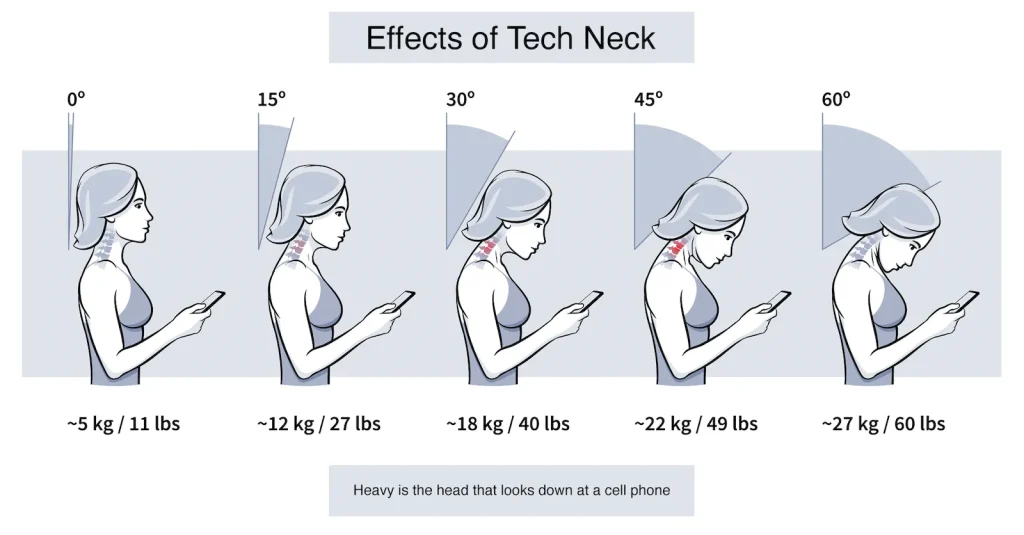
Forward head posture increases stress because the neck muscles must work harder to hold the head. The farther the head moves forward, the greater the muscular demand can become. This extra demand may lead to fatigue, tightness, pain, and reduced movement.
The body may compensate in different ways. The upper shoulders may tighten. The upper back may round. The chin may poke forward. The jaw may become tense. The eyes may strain toward the screen.
That is why cervical posture correction Gulshan should look at the full upper body, not only the neck.
Text Neck Physiotherapy Gulshan
Text neck physiotherapy Gulshan may support pain reduction, posture correction, movement improvement, and safer screen habits. The care should be assessment-based, not generic.
A physiotherapy plan may include:
- Pain history discussion
- Neck and shoulder assessment
- Upper back mobility check
- Muscle tightness review
- Posture analysis
- Screen habit review
- Workstation advice
- Gentle mobility exercises
- Strengthening support
- Home care guidance
The goal is to reduce repeated neck strain and improve daily function.
Neck, Shoulder, Upper Back, and Movement Assessment
A good assessment should not only look at where the pain is. It should also look at how the body moves. Neck stiffness may be linked with upper back restriction. Shoulder tightness may be connected to poor desk position. Headache may be linked with upper neck tension.
The physiotherapist may check:
- Neck range of motion
- Shoulder movement
- Upper back mobility
- Muscle strength
- Posture pattern
- Pain behavior
- Screen habits
- Work routine
- Sleep and pillow habits
This gives a clearer picture of why pain keeps returning.
Why Physiotherapy Should Be Based on Symptoms and Clinical Findings
Physiotherapy should be based on symptoms and clinical findings because every patient is different. One person may have mild stiffness from laptop use. Another may have nerve-related symptoms. Another may have neck pain after trauma. Each case needs a different plan.
Assessment helps identify what is safe. It also helps decide whether exercise therapy, manual therapy, ergonomic correction, or referral is needed.
Random online exercises may not suit everyone. Some exercises can increase symptoms if done incorrectly or too aggressively.
Posture Correction for Text Neck Gulshan
Posture correction for text neck Gulshan is more than “sit straight.” That advice is too simple. Real posture correction includes awareness, movement variety, muscle balance, screen position, and daily habit change.
A person can sit straight for five minutes and then return to slouching. So the goal is not a perfect posture. The goal is a sustainable posture strategy.
This may include:
- Raising the phone closer to eye level
- Using a laptop stand
- Taking regular movement breaks
- Strengthening upper back muscles
- Practicing chin tuck exercises
- Reducing long static sitting
- Improving desk setup
- Learning body awareness
Posture correction works best when it fits your actual lifestyle.
Daily Screen Habits That Affect the Cervical Spine
Daily screen habits affect the cervical spine more than many people realize. Looking down at a phone, bending over a laptop, using a monitor placed too low, or watching videos in bed can all increase neck stress.
Poor habits include:
- Phone held near the lap
- Laptop used on bed
- Monitor below eye level
- Keyboard too far away
- Chair without back support
- Long screen time without breaks
- Working with rounded shoulders
- Sleeping after long screen use with a tense neck
Small changes can reduce repeated strain.
Cervical Posture Correction Gulshan
Cervical posture correction, Gulshan, means improving the position and movement of the neck area. “Cervical” refers to the neck portion of the spine.
Good cervical posture does not mean keeping the neck stiff. It means keeping the head balanced, the shoulders relaxed, and the neck free to move without unnecessary strain.
Cervical posture correction Gulshan may help people with:
- Neck stiffness
- Forward head posture
- Screen-related pain
- Shoulder tightness
- Upper back discomfort
- Posture fatigue
- Headache linked with neck tension
A physiotherapist can assess whether your cervical posture is contributing to symptoms.
Safe Neck Positioning During Phone, Laptop, and Desktop Use
Safe neck positioning means reducing repeated bending and strain. During phone use, try to bring the phone closer to eye level instead of bending the neck down. During laptop use, use a stand and external keyboard when possible. During desktop work, keep the monitor directly in front of you.
For long work hours, the best posture is often the next posture. Changing position matters. The body feels better when it moves.
Screen Time Neck Pain Treatment Gulshan
Screen time neck pain treatment Gulshan focuses on reducing pain caused by long digital device use. It may include physiotherapy, ergonomic advice, posture correction, exercise therapy, and screen habit planning.
Long screen time can trigger discomfort because the body stays still. Muscles become fatigued. Joints become stiff. The nervous system may become sensitive. The neck and shoulders begin to feel overloaded.
Treatment may help improve comfort during:
- Mobile use
- Laptop work
- Desktop work
- Online classes
- Video meetings
- Gaming
- Content creation
- Long study sessions
Phone Scrolling, Laptop Bending, and Poor Monitor Height Mistakes
Phone scrolling often pulls the head downward. Laptop bending happens when the screen is too low. Poor monitor height forces the neck to bend or extend awkwardly.
These mistakes can create digital strain. They also make neck exercises less effective if the same habits continue every day.
A better setup may include:
- Phone at chest or eye height
- Laptop on a stand
- External keyboard and mouse
- Monitor at comfortable eye level
- Chair support
- Short breaks every 30–45 minutes
These are simple, but powerful.
Office Worker Text Neck Treatment Gulshan
Office worker text neck treatment Gulshan is important because professionals often use several screens in one day: phone, laptop, desktop, tablet, and meeting screens. The neck rarely gets a break.
Long meetings, emails, mobile calls, and document work can keep the neck in static positions. Stress can make the shoulders tense. Poor desk setup can increase the problem.
Office-related neck pain should not be ignored if it keeps returning, affects focus, disturbs sleep, or spreads into the shoulder or arm.
Computer User Neck Pain Physiotherapy Gulshan
Computer user neck pain physiotherapy Gulshan may help people who develop stiffness or upper back fatigue after long work hours. A physiotherapist may check monitor height, keyboard position, chair support, sitting angle, and screen habits.
Workstation advice may include:
- Keep the screen in front
- Avoid twisting the neck
- Keep keyboard and mouse close
- Support the lower back
- Relax the shoulders
- Take short movement breaks
- Avoid laptop-only setup for long work
Better setup reduces unnecessary strain and supports the physiotherapy plan.
Physiotherapist for Text Neck Gulshan
You may need a physiotherapist for text neck Gulshan if symptoms keep returning after screen use, home care is not enough, or neck movement becomes painful.
A physiotherapist may check:
- Pain history
- Posture
- Neck movement
- Shoulder position
- Muscle tightness
- Strength
- Work habits
- Screen habits
- Red flags
Personalized guidance is safer than random online exercises because it is based on your symptoms and physical condition.
Text Neck Exercise Therapy Gulshan
Text neck exercise therapy Gulshan may include gentle neck mobility, upper back strengthening, shoulder blade control, chin tuck exercises, and posture awareness work. The exercises should match the patient’s condition.
Common support areas include:
- Neck mobility
- Deep neck flexor control
- Upper back mobility
- Shoulder blade strength
- Chest flexibility
- Breathing and relaxation
- Work-break routine
Exercises should not increase pain, numbness, dizziness, or weakness. If symptoms worsen, stop and consult a professional.
Chin Tuck and Posture Awareness Exercises Under Guidance
Chin tuck exercises are often used to improve forward head posture awareness. But they should be gentle. The goal is not to force the neck backward. The goal is to improve control and alignment.
Posture awareness exercises can help the patient notice when the head moves forward during phone or computer use. This awareness is a key part of long-term improvement.
Tech Neck Treatment in Gulshan
Tech neck treatment in Gulshan and text neck treatment in Gulshan are closely related. Text neck usually refers to phone-related neck strain. Tech neck is broader and may include pain from phones, laptops, tablets, and computers.
Treatment may include:
- Posture correction
- Ergonomic advice
- Exercise therapy
- Mobility work
- Strengthening
- Screen-time planning
- Neck stiffness care
- Workstation correction
The best approach is step by step. Change one habit. Add one exercise. Improve one workstation detail. Build consistency.
Neck Stiffness Treatment Gulshan
Neck stiffness treatment Gulshan may be needed when stiffness appears after long phone or screen use and does not settle with simple rest. Common stiffness patterns include tightness at the back of the neck, upper shoulder heaviness, and reduced turning movement.
Treatment may include mobility work, posture correction, muscle care, and ergonomic guidance. If stiffness comes with severe pain, numbness, weakness, dizziness, fever, trauma, or worsening symptoms, professional assessment is important.
Text Neck Treatment Cost Gulshan
Text neck treatment cost Gulshan may depend on assessment type, symptom severity, number of sessions, treatment plan, and whether ongoing physiotherapy support is needed.
Some people may need one assessment and posture advice. Others may need several sessions for neck pain, mobility work, strengthening, ergonomic correction, and follow-up.
Factors that may affect cost include:
- Initial consultation
- Pain severity
- Session needs
- Exercise plan
- Ergonomic review
- Follow-up care
- Additional referral needs
The safest way to confirm text neck treatment cost Gulshan is to call the clinic and ask based on your condition.
What to Expect at Chowa for Text Neck Care
At Chowa Physio & Dental Care in Gulshan, text neck care may begin with a discussion about neck pain, screen time, work routine, mobile habits, lifestyle, and daily posture.
The physiotherapist may assess neck posture, shoulder position, upper back mobility, and work habits. Based on the findings, a personalized physiotherapy plan may be created.
Care may include:
- Mobile-use guidance
- Laptop setup advice
- Desk setup correction
- Neck mobility exercises
- Upper back strengthening
- Posture correction
- Home exercise advice
- Follow-up support
Chowa’s ergonomics service focuses on posture, desk habits, sitting, standing, movement, workstation setup, and physiotherapy-based guidance for people with work-related pain or bad posture.
When to Seek Text Neck Treatment in Gulshan
You should consider text neck treatment in Gulshan if neck pain keeps returning after phone or computer use. You should also seek assessment if shoulder stiffness affects work or study, headache appears with poor screen posture, neck mobility becomes limited, or home posture tips are not enough.
Do not ignore symptoms that are worsening. Early support may help prevent a minor posture issue from becoming a long-term pain cycle.
Why Choose Chowa for Text Neck Treatment in Gulshan?
Chowa Physio & Dental Care offers local physiotherapy support in Gulshan, Dhaka. For text neck treatment in Gulshan, Chowa can support patients with neck pain, stiffness, posture strain, mobile phone neck pain Gulshan, and screen-related discomfort.
The care approach is assessment-based instead of generic. This matters because every person’s screen habits, workstation setup, pain pattern, and physical condition are different.
Chowa may be suitable for office workers, students, computer users, phone users, families, and professionals who need practical guidance for healthier neck posture and daily movement.
FAQs
What is text neck treatment in Gulshan?
Text neck treatment in Gulshan is assessment-based physiotherapy care for neck pain, stiffness, shoulder tightness, and posture strain linked with phone, laptop, or screen use.
Who needs text neck physiotherapy Gulshan?
Text neck physiotherapy Gulshan may help phone users, students, office workers, computer users, and professionals with recurring neck stiffness, shoulder discomfort, or posture-related pain.
Can physiotherapy help mobile phone neck pain Gulshan?
Physiotherapy may help mobile phone neck pain Gulshan by assessing posture, screen habits, neck movement, muscle tightness, and work setup, then giving personalized guidance.
Is tech neck treatment in Gulshan only for office workers?
No. Tech neck treatment in Gulshan can help students, phone users, remote workers, gamers, drivers, and anyone with screen-related neck strain.
What causes neck pain from mobile use Gulshan?
Neck pain from mobile use Gulshan often comes from looking down for long periods, forward head posture, rounded shoulders, poor screen height, and lack of movement breaks.
Can posture correction for text neck Gulshan reduce stiffness?
Posture correction for text neck Gulshan may help reduce stiffness when symptoms are related to poor screen posture, muscle imbalance, or repeated neck strain.
What affects text neck treatment cost Gulshan?
Text neck treatment cost Gulshan may depend on assessment needs, symptom severity, number of sessions, treatment type, and whether ongoing physiotherapy support is required.
When should I visit a physiotherapist for text neck Gulshan?
Visit a physiotherapist for text neck Gulshan if neck pain keeps returning, stiffness affects daily tasks, headaches appear with screen use, or symptoms worsen despite home care.
Medical Safety Notes
This article is for general health education only. It is not a diagnosis, prescription, or replacement for professional medical advice. Treatment suitability should be confirmed after assessment by a qualified physiotherapist or healthcare professional.
Avoid expecting guaranteed cure, instant relief, or the same result for every person. Text neck, tech neck, and neck stiffness can have different causes, so care should be based on clinical assessment, symptom behavior, screen habits, and patient condition.
Seek urgent medical advice if there is severe pain, numbness, weakness, trauma, dizziness, fever, loss of balance, or worsening symptoms.
About Chowa Physiotherapy & Dental Care
Chowa Physio & Dental Care is a trusted physiotherapy and dental care center in Gulshan, Dhaka, focused on patient-centered care for pain, posture, movement, rehabilitation, and daily function. For text neck treatment in Gulshan, Chowa supports office workers, students, computer users, phone users, professionals, and families with assessment-based physiotherapy guidance, ergonomic support, posture correction, and personalized care for safer screen habits and better neck comfort.
