
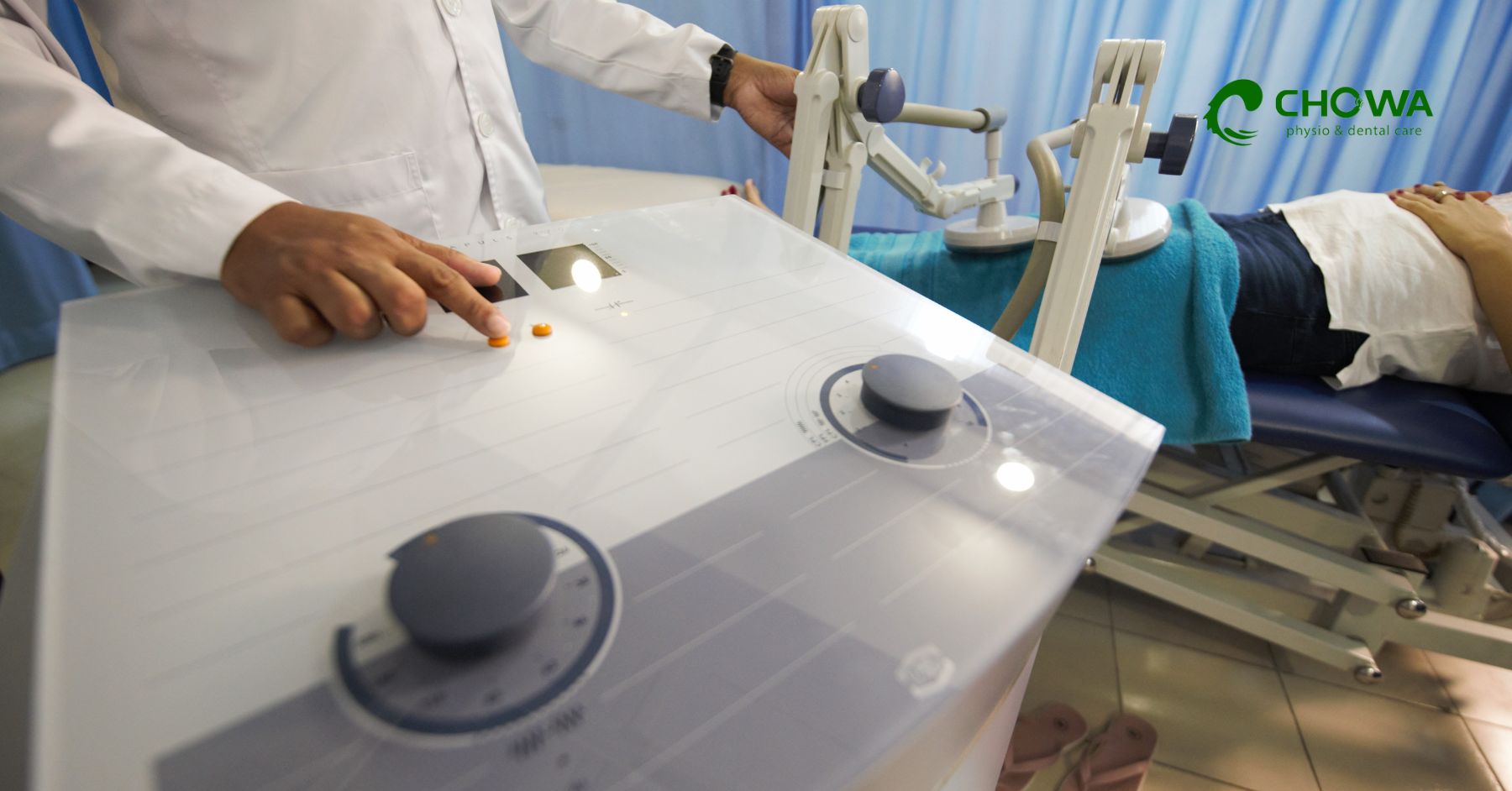
How can physiotherapy help with chronic pain?
Physiotherapy for chronic pain provides natural, non-invasive relief, improves mobility, and strengthens the body to support long-term recovery.
Chronic pain affects millions worldwide and needs proper care. According to the World Health Organization, effective rehabilitation is essential for improving quality of life in chronic pain patients.
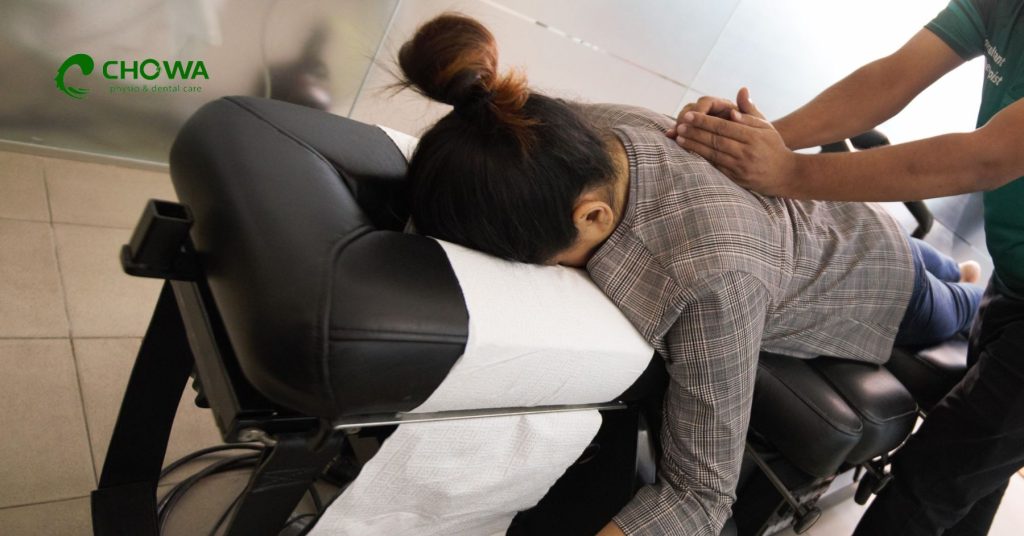
Why Chronic Pain Needs the Right Treatment Approach
Chronic pain is more than occasional discomfort. It can disrupt sleep, reduce mobility, and affect mental health. Understanding the complexity of chronic pain helps in selecting the right treatment.
Understanding What Chronic Pain Really Means for the Body and Nervous System
Chronic pain often persists for months, sometimes years, due to nerve sensitisation, muscular imbalances, or inflammation. It may arise from musculoskeletal issues, spinal problems, or chronic conditions such as arthritis or fibromyalgia. Prolonged pain alters the nervous system, making the body more sensitive to even minor stimuli.
Chronic pain often involves changes in the nervous system. The National Institute of Neurological Disorders and Stroke explains that long-term pain can alter how the brain processes pain signals.
Why Long-Term Pain Should Not Be Ignored
Ignoring persistent pain can lead to weakened muscles, joint stiffness, and decreased overall function. Chronic pain also impacts mental health, causing anxiety or depression. Early intervention with physiotherapy for chronic pain management prevents deterioration and supports holistic recovery.
Quick Overview of Physiotherapy for Chronic Pain and How It Supports Recovery
Physiotherapy for chronic pain combines movement therapy, manual techniques, and advanced modalities to relieve pain, restore function, and improve quality of life. Techniques include targeted exercises, posture correction, and neuromuscular training.
The Growing Demand for Physical Therapy for Chronic Pain Worldwide
Increasing awareness of non-invasive treatments and the side effects of long-term medication has driven a global demand for physical therapy for chronic pain. Patients increasingly seek solutions like pt for chronic pain and tailored rehabilitation programs.
What Is Physiotherapy for Chronic Pain and How Does It Work?
Understanding Physiotherapy for Chronic Pain Management Strategies
The core of physiotherapy for chronic pain management lies in addressing the root cause of pain rather than just alleviating symptoms. Treatments may include exercise therapy, manual therapy, and lifestyle education.
Role of a Qualified Physiotherapist for Chronic Pain
A trained physiotherapist for chronic pain evaluates mobility, muscle strength, posture, and pain triggers to create a personalised plan. Their expertise ensures safe and effective recovery.
The Difference Between General Treatment and Specialised Physical Therapy for Chronic Pain
Unlike general pain management, physical therapy for chronic pain focuses on functional restoration, strengthening, and long-term relief. General approaches may mask symptoms, but specialised therapy aims for recovery and prevention.
How PT for Chronic Pain Focuses on Long-Term Healing Rather Than Temporary Relief
Programs designed as pt for chronic pain combine exercise, movement re-education, and progressive therapy to ensure lasting benefits. Regular sessions gradually retrain muscles and nerves to reduce hypersensitivity and prevent recurrence.
Structured therapy plays a key role in recovery. Research from the American Physical Therapy Association shows that physiotherapy improves movement and reduces long-term pain.
Common Conditions Treated with Physiotherapy for Chronic Pain
Physiotherapy for Chronic Back Pain and Spinal Conditions
Back pain is one of the most common chronic pain complaints. Physiotherapy for chronic back pain focuses on strengthening core muscles, improving posture, and relieving nerve compression.
Physiotherapy for Chronic Pelvic Pain and Mobility Limitations
Chronic pelvic pain affects daily activities and quality of life. Targeted physiotherapy for chronic pelvic pain includes muscle retraining, posture correction, and relaxation techniques.
Physical Therapy for Chronic Pain Syndrome and Nerve-Related Disorders
Patients with physical therapy for chronic pain syndrome benefit from neuromuscular re-education, gentle stretching, and electrical modalities to manage nerve-related discomfort.
Musculoskeletal Disorders and Long-Term Joint Pain
Arthritis, repetitive strain injuries, and joint dysfunction respond well to physical therapy for chronic pain management, which strengthens muscles, improves joint mobility, and reduces stiffness.
Lifestyle-Related Chronic Pain Conditions
Obesity, sedentary lifestyle, and poor ergonomics contribute to chronic pain. Physiotherapy addresses these factors through exercise programs and lifestyle education.
Signs You May Need a Physiotherapist for Chronic Pain
Persistent Pain Lasting Longer Than Three Months
Pain that lingers for months without improvement signals a need for physiotherapy for chronic pain.
Reduced Mobility, Flexibility, or Strength
Difficulty bending, standing, or lifting indicates muscular weakness, which a physiotherapist for chronic pain can correct.
Difficulty Performing Daily Activities
Struggling with walking, climbing stairs, or household tasks often requires targeted pt for chronic pain programs.
Pain That Keeps Returning Even After Rest or Medication
Recurring pain despite medications is a clear indicator of the need for physical therapy for chronic pain rather than relying solely on drugs.
When Doctors Recommend PT for Chronic Pain Rehabilitation
Healthcare providers may advise physical therapy for chronic pain near me as part of a holistic recovery strategy for patients with persistent pain.
Key Benefits of Physiotherapy for Chronic Pain Recovery
Natural and Non-Invasive Pain Relief Through Physiotherapy for Chronic Pain
Unlike medication, physiotherapy offers a safe, drug-free solution for pain reduction. Techniques include stretching, manual therapy, and neuromuscular interventions.
Improved Mobility and Flexibility with Physical Therapy for Chronic Pain Management
Targeted exercises increase range of motion and reduce stiffness, enhancing daily function and independence.
Muscle Strengthening and Joint Stabilisation
Therapy strengthens supporting muscles, stabilises joints, and prevents further injuries, essential for physiotherapy for chronic pain management.
Reduced Dependency on Medications
Consistent therapy decreases reliance on painkillers, lowering the risk of side effects associated with long-term medication.
Better Quality of Life and Improved Daily Function
Patients experience enhanced comfort, increased energy, and improved mental well-being after physical therapy for chronic pain.
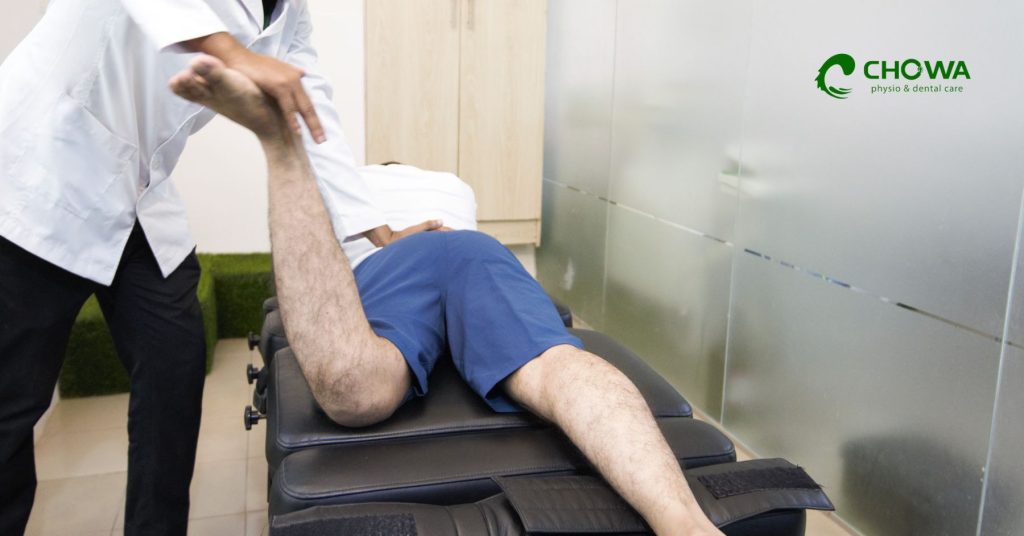
Physiotherapy offers a non-invasive solution. The National Health Service recommends physiotherapy as an effective treatment for managing chronic pain conditions.
Types of Physical Therapy for Chronic Pain Management
Manual Therapy and Movement Rehabilitation
Hands-on techniques such as massage, joint mobilisation, and soft tissue release improve circulation and reduce tension.
Exercise Therapy Used in Physical Therapy for Chronic Pain
Personalised exercises target strength, flexibility, and balance, forming the core of physical therapy for chronic pain management.
Neuromuscular Training and Posture Correction
Neuromuscular re-education helps retrain muscles, correct posture, and reduce chronic strain.
Advanced Techniques Used in Physiotherapy for Chronic Pain Management
Modalities like TENS, ultrasound, and biofeedback complement traditional therapy for enhanced pain relief.
Integrated Approaches Combining Multiple Therapies
A combination of manual therapy, exercise, and lifestyle coaching ensures comprehensive rehabilitation.
How Physiotherapy Helps Manage Different Chronic Pain Conditions
Physiotherapy for Chronic Back Pain and Spinal Alignment Improvement
Therapists use strengthening exercises, core stabilisation, and posture retraining to reduce spinal stress and alleviate pain.
Treatment Plans for Physical Therapy for Chronic Pain Syndrome
Chronic pain syndrome responds to multidisciplinary therapy, including pt for chronic pain and pain education strategies.
Rehabilitation Strategies for Physiotherapy for Chronic Pelvic Pain
Targeted pelvic floor exercises, posture correction, and mobility training reduce discomfort and restore function.
Customised Recovery Programs for Long-Term Pain Management
Each patient receives a tailored plan addressing condition-specific limitations, lifestyle factors, and rehabilitation goals.
How to Choose the Best Physical Therapy for Chronic Pain Near Me
What to Look for in a Physiotherapist for Chronic Pain
Qualifications, experience, and specialisation in chronic pain conditions are essential.
Certifications, Experience, and Specialisation in Chronic Pain Treatment
Look for therapists trained in physical therapy for chronic pain management or physiotherapy for chronic pain.
Questions to Ask Before Starting Physical Therapy for Chronic Pain Near Me
Inquire about treatment approach, expected outcomes, and session frequency to ensure alignment with recovery goals.
Importance of Personalised Physiotherapy for Chronic Pain Management Plans
Customised plans optimise recovery, prevent recurrence, and improve long-term functionality.
What to Expect During a Physiotherapy Program for Chronic Pain
Initial Consultation and Detailed Assessment
Assessment includes posture, mobility, muscle strength, and pain mapping to identify underlying issues.
Personalised Treatment Plans in Physical Therapy for Chronic Pain Management
Therapists design session plans targeting specific pain areas and functional limitations.
Gradual Progress Tracking and Recovery Milestones
Regular assessments ensure measurable improvement and therapy adjustments.
Home Exercises and Lifestyle Recommendations from a Physiotherapist for Chronic Pain
Patients are guided on safe exercises and ergonomic habits to complement clinic-based therapy.
Lifestyle and Rehabilitation Tips to Support Chronic Pain Recovery
Importance of Movement and Regular Exercise
Staying active strengthens muscles, improves circulation, and reduces stiffness.
Posture Correction and Ergonomic Habits
Proper posture at work and home minimises strain and supports spinal health.
Stress Management and Body Awareness Techniques
Techniques like mindfulness and relaxation exercises reduce pain perception and enhance recovery.
Long-Term Strategies Used in PT for Chronic Pain Recovery
Consistent therapy, exercise, and lifestyle modifications prevent flare-ups and maintain functional independence.
Why Physiotherapy for Chronic Pain Can Transform Your Life
Long-Term Benefits of Physiotherapy for Chronic Pain Management
Patients experience sustained pain relief, improved mobility, and stronger musculoskeletal health.
Encouragement to Seek Professional Help Early
Early intervention ensures better outcomes and prevents chronic deterioration.
Final Insights on Maintaining Mobility, Comfort, and Overall Wellness
Integrating physiotherapy for chronic pain into daily life promotes long-term health and a higher quality of life.
FAQ: Physiotherapy for Chronic Pain
1. What are the benefits of physiotherapy for chronic pain?
Physiotherapy helps reduce pain, improve mobility, strengthen muscles, and restore normal movement. It also helps prevent long-term complications caused by chronic pain.
2. Can physiotherapy permanently reduce chronic pain?
Physiotherapy may not always cure chronic pain completely, but it significantly reduces pain levels and improves daily function through targeted exercises and therapy techniques.
3. How does physiotherapy treat chronic pain naturally?
Physiotherapy uses movement therapy, strengthening exercises, posture correction, and manual therapy to treat chronic pain without relying heavily on medication.
4. What conditions can physiotherapy help with chronic pain?
Physiotherapy is commonly used for back pain, neck pain, arthritis, sports injuries, joint pain, and nerve-related pain conditions.
5. How long does physiotherapy take to improve chronic pain?
Many patients notice improvement within a few weeks, but long-term chronic pain treatment may require regular physiotherapy sessions over several months.
6. Is physiotherapy safe for long-term pain management?
Yes, physiotherapy is considered a safe and effective treatment for chronic pain because it focuses on restoring movement and strengthening the body gradually.
7. Do I need a doctor’s referral for physiotherapy for chronic pain?
In many cases, you can visit a physiotherapy clinic directly. However, some patients are referred by doctors for specialized chronic pain rehabilitation programs.
8. Can physiotherapy improve mobility in chronic pain patients?
Yes, physiotherapy improves joint flexibility, muscle strength, and balance, which helps patients move more comfortably and safely.
9. What techniques do physiotherapists use to treat chronic pain?
Physiotherapists often use manual therapy, exercise therapy, electrotherapy, stretching programs, and posture correction to reduce chronic pain.
10. Why should I choose physiotherapy instead of only pain medication?
Physiotherapy addresses the root cause of chronic pain, while medication usually provides temporary relief. This makes physiotherapy a more sustainable long-term solution.
A holistic approach ensures better recovery outcomes. According to the Mayo Clinic, physical therapy for chronic pain helps improve strength, flexibility, and overall function.
About Chowa Physiotherapy & Dental Care
At Chowa Physio & Dental Care Centre in Gulshan, patients receive expert, evidence-based treatment designed to manage and reduce long-term discomfort effectively. As a trusted provider of physiotherapy for chronic pain, Chowa combines advanced techniques, personalised rehabilitation programs, and compassionate care to improve mobility, restore strength, and enhance overall quality of life for patients across Dhaka.
