
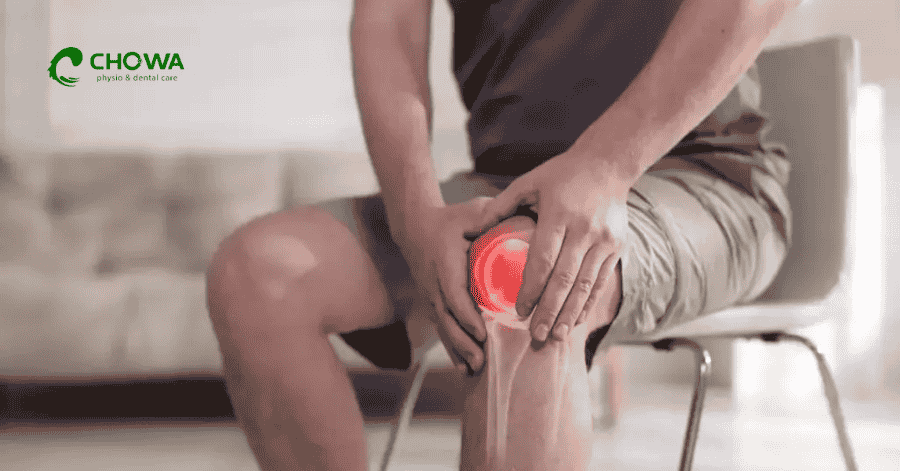
The right starting point is a professional knee assessment followed by personalized physiotherapy that addresses pain, stiffness, weakness, and movement limitations.
Knee pain can make ordinary activities surprisingly difficult. Walking to work, climbing stairs, standing up from a chair, exercising, praying, or completing household tasks may become uncomfortable. Some people feel a dull ache. Others notice sharp pain, swelling, stiffness, clicking, or a troubling sense that the knee may give way.
The cause is not always inside the knee alone. Weak hip muscles, limited ankle movement, poor walking mechanics, previous injuries, unsuitable footwear, repetitive loading, and age-related joint changes can all influence symptoms.
Professional knee pain treatment in Gulshan should therefore begin with a careful assessment rather than a generic exercise sheet. Treatment needs to reflect the patient’s age, activity level, medical history, symptoms, functional limitations, and recovery goals.
Fast relief does not always mean an instant cure. Some patients feel better after reducing an aggravating activity or beginning guided movement. Others need a progressive rehabilitation program over several weeks. The aim is to improve symptoms safely while rebuilding the strength and movement needed for daily life.
What Causes Knee Pain and Why Does It Keep Returning?
The knee is a load-bearing joint that works with the hips, ankles, muscles, tendons, ligaments, and nervous system. Pain may appear when one or more parts of this movement chain become irritated, weak, injured, or overloaded.
The Mayo Clinic identifies injuries, torn cartilage, ligament damage, arthritis, gout, and infection among the possible causes of knee pain. It also notes that symptoms may include swelling, stiffness, warmth, instability, joint noises, and difficulty straightening the knee.
Knee Arthritis and Age-Related Joint Changes
Osteoarthritis can gradually affect the cartilage and other tissues within the knee. A person may notice morning stiffness, discomfort after sitting, pain while climbing stairs, swelling after activity, or reduced confidence when walking.
Age is one risk factor, but knee arthritis is not simply an inevitable consequence of getting older. Previous injuries, body weight, muscle weakness, occupational demands, and repeated joint loading may also influence symptoms.
People seeking knee arthritis treatment Gulshan should understand that physiotherapy cannot promise to rebuild lost cartilage. However, evidence-based exercise, education, activity modification, and weight-management support may improve pain, strength, mobility, and physical function.
Clinical guidance from the Royal Australian College of General Practitioners identifies therapeutic exercise as a core treatment for knee osteoarthritis, regardless of age, pain level, or disease severity.
Sports Injuries and Sudden Knee Trauma
Athletes, runners, gym users, football players, and active adults may develop knee pain after twisting, falling, landing awkwardly, or increasing training too quickly.
Common problems include:
- Ligament sprains
- Muscle or tendon strains
- Meniscus-related injuries
- Patellofemoral pain
- Impact injuries
- Overuse irritation
- Post-training swelling
A knee injury physiotherapy Gulshan program may focus on restoring movement, controlling swelling, rebuilding muscle capacity, improving balance, and preparing the patient to return to work, exercise, or sport.
Rehabilitation should be staged. Returning to demanding activity too early can expose a partially recovered knee to more stress.
Weak Muscles and Poor Lower-Body Movement
The quadriceps help control the knee when walking, climbing stairs, and standing up. The hamstrings, calf muscles, hips, and gluteal muscles also contribute to lower-body stability.
When these muscles are weak or poorly coordinated, the knee may absorb more stress during daily movement. Limited hip control can allow the thigh to rotate inward. Restricted ankle movement can change the way the body travels over the foot. These subtle biomechanical changes may contribute to recurring symptoms.
This is why effective knee joint pain treatment Gulshan may include hip, calf, core, and balance exercises rather than focusing only on the painful area.
Overuse, Long Walking, and Repetitive Activity
Long office hours, frequent stair climbing, extended standing, commuting, exercise, or a sudden rise in walking distance may irritate the knee.
People searching for help with knee pain after walking Gulshan may be dealing with:
- Muscle fatigue
- Arthritis-related sensitivity
- Poor walking mechanics
- Unsupportive footwear
- A rapid increase in activity
- Reduced lower-body strength
- Inadequate recovery
Complete inactivity is rarely the ideal long-term answer. A physiotherapist may instead help the patient adjust walking duration, pace, terrain, footwear, and recovery periods while gradually increasing physical capacity.
Previous Injury, Surgery, or Incomplete Rehabilitation
An old injury can continue to influence movement even after the initial pain has settled. The knee may remain weak, stiff, unstable, or less coordinated.
Similarly, stopping rehabilitation as soon as pain improves may leave underlying deficits untreated. A person may feel comfortable during simple movements but struggle when returning to stairs, running, lifting, or sport.
Post-injury and post-surgical rehabilitation should include progressive strength, balance, mobility, and task-specific training.
Common Symptoms That May Need Knee Pain Treatment in Gulshan
Knee symptoms vary according to their cause. Some develop suddenly after an injury, while others build gradually over months.
Pain During Walking or Stair Climbing
Pain may be felt at the front, inside, outside, or back of the knee. Its location can provide useful information, but location alone is not enough to identify the exact problem.
The patient may have difficulty:
- Walking long distances
- Climbing or descending stairs
- Standing for extended periods
- Getting up from a low chair
- Squatting or kneeling
- Exercising
- Carrying heavy items
When pain repeatedly limits these activities, a structured assessment can help identify the movements and tissues involved.
Knee Stiffness After Rest or in the Morning
Some people can walk reasonably well once they get moving but feel stiff after waking up, sitting at a desk, travelling in a car, or resting for a long period.
Professional knee stiffness treatment Gulshan may include mobility exercises, strength work, activity planning, and treatment of surrounding muscle restrictions. Stiffness that is severe, persistent, or associated with marked swelling should receive medical attention.
Swelling, Warmth, or Tenderness
Mild swelling may occur after overuse or irritation. Significant swelling can also follow an injury, arthritis flare, infection, or another medical condition.
A knee that becomes suddenly swollen, red, hot, or extremely painful should not be treated as routine muscle soreness. Medical evaluation may be necessary, especially when fever or illness is present.
Weakness, Instability, or Giving Way
A feeling that the knee may buckle can create fear and reduce activity. This may be related to pain inhibition, muscle weakness, joint instability, balance problems, or an injury.
Assessment should examine quadriceps strength, hip control, balance, walking pattern, joint stability, and the patient’s ability to complete functional tasks safely.
Clicking, Locking, or Reduced Movement
Occasional painless clicking is common and does not always indicate serious damage. Painful clicking, true locking, sudden loss of movement, or inability to fully bend or straighten the knee deserves professional evaluation.
How Does a Physiotherapist Assess Knee Pain?
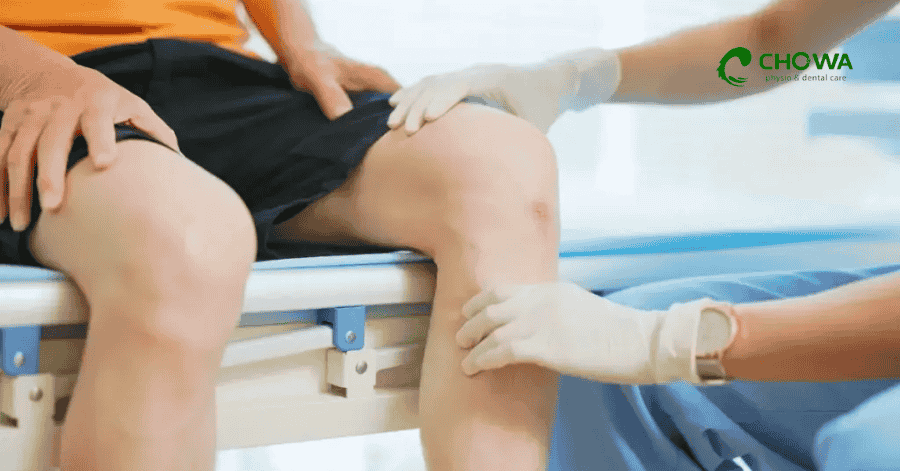
A good assessment is not limited to asking where the pain is. A physiotherapist for knee pain Gulshan should investigate how the symptoms began, what makes them worse, how they affect daily life, and which physical factors may be contributing.
Understanding the Patient’s History
The first discussion may cover:
- When the pain started
- Whether an injury occurred
- Which activities trigger symptoms
- The pattern of swelling or stiffness
- Previous treatment
- Medical conditions
- Current medicines
- Work demands
- Exercise habits
- Sleep disruption
- Personal recovery goals
Previous X-rays, MRI reports, surgical notes, or prescriptions may also be reviewed when relevant.
Checking Movement, Strength, and Stability
The physiotherapist may assess:
- Knee bending and straightening
- Joint mobility
- Quadriceps and hamstring strength
- Hip and calf strength
- Ligament stability
- Tender areas
- Swelling
- Muscle flexibility
- Functional control
The painful knee may be compared with the other side, although natural differences between limbs should be considered.
Evaluating Walking Pattern and Body Mechanics
The knee does not function in isolation. The physiotherapist may observe walking, stair use, squatting, sit-to-stand movement, balance, and lower-limb alignment.
The hips, feet, ankles, and lower back may also be checked because restrictions or weakness in these regions can alter knee loading.
Screening for Red Flags
Physiotherapy may not be the first step when symptoms suggest a fracture, infection, blood clot, severe structural injury, or another urgent condition.
Referral may be necessary when a person has:
- Severe trauma
- Sudden deformity
- Inability to bear weight
- Rapid swelling
- Fever with a hot, red knee
- Severe unexplained pain
- Calf swelling
- Breathing difficulty
- Symptoms that do not fit a routine musculoskeletal pattern
Non-Surgical Knee Pain Treatment Options in Gulshan
Many knee conditions can initially be managed without surgery, depending on the diagnosis and severity. Non surgical knee pain treatment Gulshan may combine education, exercise, movement retraining, manual therapy, pacing, and home-based self-management.
NICE guidance for osteoarthritis identifies therapeutic exercise, information, support, and weight management where appropriate as core components of care. The AAOS knee osteoarthritis guideline, endorsed by the American Physical Therapy Association, also supports evidence-based non-surgical management.
Personalized Knee Pain Physiotherapy Gulshan Programs
A personalized program begins with the patient’s actual limitations.
One patient may need help reducing irritation and restoring basic knee movement. Another may need progressive strengthening to return to running. An elderly patient may prioritize safe walking, stair use, and fall prevention.
Effective knee pain physiotherapy Gulshan should therefore connect each treatment activity to a practical goal.
Manual Therapy
Manual therapy may include joint mobilization, soft-tissue techniques, or assisted movement. It may help some patients move more comfortably or tolerate exercise more easily.
However, passive treatment should not replace active rehabilitation. Manual techniques are generally more useful when they support movement, exercise, and functional recovery.
Therapeutic Exercise
Exercise is often central to knee pain relief physiotherapy Gulshan because it can improve strength, joint control, mobility, endurance, and confidence.
A program may include:
- Quadriceps strengthening
- Hamstring strengthening
- Hip abductor and gluteal exercises
- Calf strengthening
- Knee mobility work
- Sit-to-stand practice
- Step training
- Low-impact aerobic exercise
- Balance drills
- Core stability exercises
Exercises should be selected according to the diagnosis and progressed gradually. More exercise is not automatically better. The correct dose matters.
Balance and Walking Retraining
Balance training may be particularly important after injury, during chronic weakness, or as part of elderly knee pain treatment Gulshan.
Walking retraining can address stride length, pace, confidence, foot placement, use of stairs, and reliance on assistive devices. When a cane or walker is required, correct sizing and technique are important.
Home Exercise and Self-Management
Clinic sessions represent only part of the recovery process. A clear home plan can help patients practise movement regularly and become less dependent on passive care.
Home guidance may include:
- A small number of targeted exercises
- Walking or activity limits
- Pacing strategies
- Footwear advice
- Safe use of stairs
- Symptom monitoring
- Recovery-day planning
- Methods for progressing exercises
A home program should be understandable, realistic, and adjusted when the patient improves.
Physiotherapy for Different Knee Conditions
Knee Joint Pain Treatment Gulshan for Daily Mobility
People may experience knee pain after prolonged sitting, standing, commuting, stair climbing, or repeated walking. Treatment may focus on improving joint movement, leg strength, movement efficiency, and activity tolerance.
Instead of only trying to silence pain, rehabilitation should help the patient perform important tasks with better control.
Chronic Knee Pain Treatment Gulshan
Pain lasting for weeks or months can lead to reduced activity, muscle deconditioning, sleep disruption, fear of movement, and recurring flare-ups.
Chronic knee pain treatment Gulshan may involve:
- Pain education
- Gradual exposure to movement
- Progressive strengthening
- Mobility work
- Walking tolerance
- Balance training
- Activity planning
- Measurable functional goals
Progress may not be perfectly linear. A temporary flare does not always mean the knee has been damaged again. The rehabilitation plan may need to be modified rather than abandoned.
Knee Arthritis Treatment Gulshan
For knee osteoarthritis, exercise should be adapted to the individual’s symptoms, health, ability, and preferences.
A plan may include strengthening, low-impact aerobic exercise, balance work, joint mobility, and self-management education. Patients who are overweight may also benefit from appropriate nutrition and weight-management support because reducing excessive joint load can improve symptoms.
The goal of knee arthritis treatment Gulshan is not to make unrealistic promises about reversing all joint changes. It is to improve function, support independence, and help the person remain active safely.
Knee Injury Physiotherapy Gulshan
After a sprain, fall, sports injury, or meniscus-related problem, rehabilitation may progress through several stages:
- Protecting the irritated area
- Restoring knee movement
- Reducing swelling
- Rebuilding muscle strength
- Improving balance and coordination
- Practising functional tasks
- Returning to work or sport
Return-to-sport decisions should consider strength, movement quality, balance, confidence, and the demands of the activity not pain alone.
Elderly Knee Pain Treatment Gulshan
Older adults may experience a combination of arthritis, stiffness, muscle weakness, reduced balance, and fear of falling.
Treatment intensity should match the person’s overall health and functional capacity. Suitable goals may include:
- Standing up independently
- Walking safely indoors
- Using stairs with greater confidence
- Improving balance
- Reducing fall risk
- Maintaining household independence
- Participating in family or community activities
Simple, well-supervised exercise can be more valuable than a complicated program that the patient cannot follow consistently.
Knee Pain After Walking Gulshan
Recurring pain after walking may indicate that the current walking load exceeds the knee’s capacity.
A physiotherapist may examine:
- Distance and pace
- Terrain
- Footwear
- Recovery time
- Lower-limb strength
- Joint mobility
- Walking technique
- Arthritis symptoms
- Recent activity changes
Rather than stopping all walking indefinitely, the plan may involve shorter sessions, slower progression, rest intervals, strength training, and gradual exposure.
How to Choose the Best Knee Pain Specialist in Gulshan
The right healthcare professional depends on the condition.
A physiotherapist may be appropriate for many movement-related, post-injury, arthritic, or non-emergency knee problems. An orthopedic doctor may be required after serious trauma or when surgery is being considered. A rheumatologist may be appropriate when inflammatory arthritis is suspected.
Review Qualifications and Relevant Experience
Before selecting a knee pain specialist in Gulshan, ask about professional qualifications, registration, clinical experience, and experience treating knee conditions.
A clinician with musculoskeletal, orthopedic, geriatric, or sports rehabilitation experience may be particularly relevant.
Choose Assessment-Based Care
Avoid treatment that begins with the same machines or exercises for every patient.
The plan should reflect:
- The likely diagnosis
- Physical assessment findings
- Pain severity
- Functional limitations
- Medical history
- Patient preferences
- Recovery goals
Ask How Progress Will Be Measured
Useful outcomes may include:
- Pain during a chosen activity
- Knee range of motion
- Leg strength
- Walking distance
- Stair ability
- Balance
- Sit-to-stand performance
- Return to work or exercise
Measurable goals make progress clearer and allow treatment to be adjusted logically.
Look for Clear Communication
The clinician should explain the likely problem, treatment options, home plan, expected progression, possible limitations, and reasons for referral when necessary.
Be cautious of guaranteed cures, fixed recovery promises, or claims that one device can treat every type of knee pain.
What to Expect During Knee Physiotherapy Sessions
The First Consultation
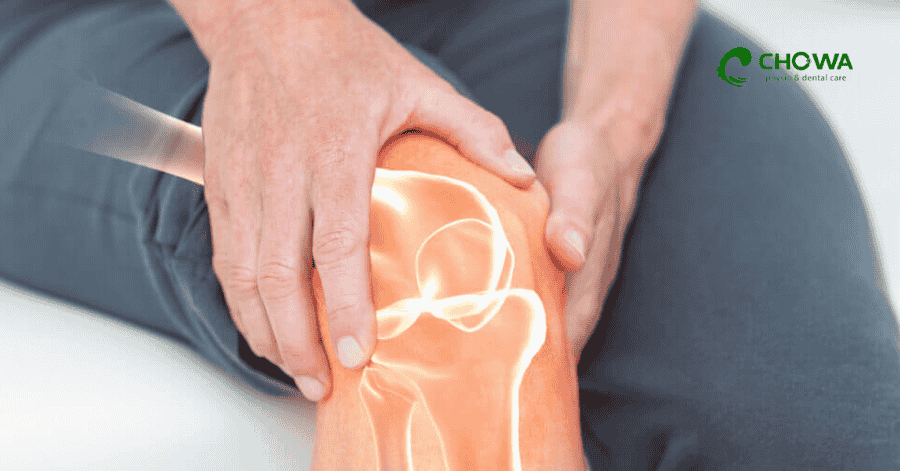
The first session generally includes a discussion of symptoms, physical assessment, functional testing, and an initial treatment plan.
Bring relevant medical documents, imaging, surgical notes, and a list of medicines when available. Wear clothing that allows the knee and surrounding movement to be assessed.
Early Symptom Management
Initial care may include education, temporary activity modification, gentle mobility work, basic strengthening, and advice for managing daily tasks.
The early goal is often to make movement safer and more tolerable—not to force the knee through severe pain.
Progressive Strengthening
As symptoms settle, exercises may become more challenging. Resistance, repetitions, balance demands, and functional tasks can be progressed according to the patient’s response.
The program may eventually include stair training, longer walking, loaded movements, jumping, running, or sport-specific drills when appropriate.
Recovery Tracking
The physiotherapist should reassess movement, strength, pain response, and daily function. Exercises that were helpful during the first week may need to be changed later.
Recovery is an adaptive process. The treatment plan should evolve with it.
Knee Pain Treatment Cost Gulshan: What Affects the Price?
The knee pain treatment cost Gulshan can vary between clinics and patients. A current fee should be confirmed directly with the provider before treatment begins.
Common cost factors include:
Initial Assessment
A detailed first consultation may take longer than a routine follow-up because it includes history-taking, movement testing, clinical reasoning, goal setting, and treatment planning.
Complexity of the Condition
A mild overuse problem may require a different level of care from chronic arthritis, post-operative weakness, a significant sports injury, or severe mobility loss.
Number of Sessions
Session frequency depends on the diagnosis, symptoms, goals, response to treatment, and ability to follow a home program. It is not responsible to promise an exact number before assessment.
Treatment and Rehabilitation Requirements
Fees may vary according to appointment duration, supervised exercise, reassessment, equipment, hands-on care, and the complexity of rehabilitation.
Before booking, ask:
- What does the consultation fee include?
- Is the initial assessment charged separately?
- Will a written home exercise plan be provided?
- How often will progress be reviewed?
- Are package prices available?
- Are follow-up sessions always necessary?
- What happens if medical referral is required?
Why Consider Chowa for Knee Pain Physiotherapy in Gulshan?
Chowa Physio & Dental Care states that its physiotherapy services include chronic pain management, sports injury physiotherapy, post-surgery physiotherapy, elderly mobility restoration, orthopedic rehabilitation, and progressive strengthening programs.[6]
These service areas are relevant to many people searching for knee pain physiotherapy Gulshan, particularly those experiencing arthritis, mobility decline, post-injury weakness, or recurring discomfort.
The clinic is listed at House 7A, Road 41, Gulshan 2, Dhaka-1212. Its website provides appointment and contact options for patients in Gulshan and nearby areas.
Patients should still discuss their specific condition, clinician qualifications, proposed treatment plan, expected costs, and referral needs during the consultation.
Safe Ways to Manage Knee Pain at Home
Reduce Aggravating Activity, but Avoid Unnecessary Bed Rest
Temporarily reduce deep squatting, running, repeated stairs, or long walks when they clearly worsen symptoms.
This does not necessarily mean stopping all movement. Gentle activity within a tolerable range can help maintain mobility and confidence.
Use Cold or Heat Carefully
Cold may feel useful after recent irritation or swelling. Warmth may help some people with stiffness.
Protect the skin, limit exposure time, and avoid extreme temperatures. People with impaired circulation, reduced sensation, diabetes-related complications, or skin problems should seek professional guidance.
Wear Supportive Footwear
Worn-out or unstable footwear can influence walking mechanics. Choose shoes that fit properly and provide appropriate support for the activity.
A brace or insole should not be purchased solely because it is heavily advertised. Suitability depends on the condition and individual biomechanics.
Try Gentle Movement
Comfortable knee bending, straightening, and light muscle activation may help some people. Stop and seek advice if an exercise causes severe pain, sudden swelling, locking, or instability.
No single online exercise routine is appropriate for every knee condition.
When Knee Pain Needs Urgent Medical Attention
Seek prompt medical care when:
- The knee cannot bear weight
- The joint looks deformed
- Severe pain follows an injury
- The knee swells suddenly
- The joint becomes hot, red, and very painful
- Fever accompanies swelling
- The knee locks completely
- A major fall or accident occurred
- Calf swelling develops
- Chest pain or breathing difficulty occurs
Mayo Clinic specifically advises urgent evaluation for deformity, intense pain, sudden swelling, inability to bear weight, and serious injury-related symptoms.
FAQs
What is the best knee pain treatment in Gulshan?
The best treatment depends on the cause of pain, assessment findings, age, health, activity demands, and personal goals. Many non-emergency conditions respond to education, therapeutic exercise, activity modification, and personalized physiotherapy.
Can physiotherapy provide fast knee pain relief?
Some people notice early improvement, especially when aggravating activities are adjusted and suitable exercises begin. Long-term recovery may require consistent rehabilitation. Fast relief should not be confused with a guaranteed instant cure.
Who should I see for knee pain?
A physiotherapist may assess many musculoskeletal knee problems. Severe trauma, deformity, infection signs, major swelling, inability to bear weight, or suspected inflammatory disease may require a doctor or specialist.
Is non-surgical treatment suitable for knee arthritis?
Non-surgical treatment is commonly used for knee osteoarthritis. Exercise, education, activity support, and weight management where appropriate are recognized components of care. Suitability still depends on individual assessment.
How many physiotherapy sessions will I need?
The number varies according to the diagnosis, pain duration, strength, mobility, treatment goals, progress, and adherence to the home program. An estimate is more meaningful after the first assessment.
Is walking good for knee pain?
Walking can be helpful for many people, but the appropriate distance and intensity vary. Reduce the load when pain rises sharply or remains aggravated afterward. Recurring knee pain after walking should be assessed.
Can elderly patients safely receive knee physiotherapy?
Yes, many elderly patients can participate safely when treatment is adapted to their health, balance, strength, symptoms, and functional ability.
How much does knee pain treatment cost in Gulshan?
Costs depend on the clinic, initial assessment, condition complexity, session duration, treatment requirements, and number of follow-ups. Confirm the current fee directly before booking.
Take the First Step Toward More Comfortable Movement
Knee pain should not be managed with guesswork.
A professional assessment can help determine whether symptoms are related to arthritis, injury, stiffness, weakness, overuse, walking mechanics, or another condition. From there, treatment can focus on meaningful goals such as climbing stairs, returning to work, walking comfortably, exercising safely, or maintaining independence.
The most effective knee pain treatment in Gulshan is not necessarily the treatment with the most equipment or the strongest promise. It is the one that matches the patient’s condition, measures progress, encourages safe activity, and changes as the patient recovers.
Persistent pain, swelling, instability, stiffness, or walking difficulty deserves attention. Book a clinical assessment rather than waiting for the problem to become more restrictive.
About Chowa Physio & Dental Care
Chowa Physio & Dental Care is a physiotherapy and dental care center located in Gulshan 2, Dhaka. Its listed physiotherapy services include chronic pain management, sports injury rehabilitation, post-surgical physiotherapy, orthopedic rehabilitation, and elderly mobility support. Patients seeking personalized knee pain treatment in Gulshan can contact Chowa for an assessment-based rehabilitation plan focused on pain management, strength, mobility, and safer daily movement.
Medical note: This article provides general health information and does not replace an individual diagnosis, emergency care, or advice from a qualified healthcare professional.
