
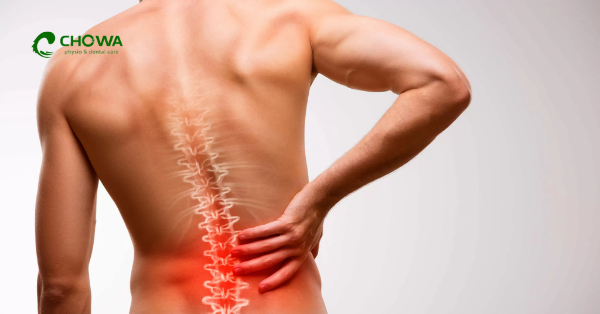
Is sciatica treatment in Gulshan important for back-to-leg nerve pain?
Yes, sciatica treatment in Gulshan may help identify the cause of sciatic nerve pain and support safer recovery through assessment-based physiotherapy, movement guidance, and pain management.
Why Sciatica Treatment in Gulshan Matters for Back-to-Leg Pain
Sciatica is not just ordinary back pain. It usually happens when the sciatic nerve becomes irritated or compressed. This nerve starts from the lower back and travels through the buttock, hip, back of the leg, and down toward the foot. When this nerve is affected, pain can feel sharp, burning, electric, heavy, or radiating.
For people living or working in Gulshan, sciatica treatment in Gulshan matters because early assessment can help separate simple lower back stiffness from true nerve-related pain. Many people wait because they think the pain will go away with rest. Sometimes it may improve. But if pain travels down the leg, causes tingling, numbness, weakness, or affects walking and sleep, it should be checked properly.
Sciatica physiotherapy in Gulshan should focus on the cause, not only the painful area. The lower back, pelvis, hips, posture, muscle strength, work habits, and movement pattern may all play a role. Good care starts with a clear assessment.
What Sciatica Means and How Sciatic Nerve Pain Usually Feels
Sciatica refers to pain or symptoms related to irritation of the sciatic nerve. The pain often starts in the lower back or buttock and travels down one leg. Some patients describe it as a burning line. Some say it feels like an electric shock. Others feel numbness, pins and needles, or weakness.
The symptoms can start suddenly after lifting something, bending awkwardly, or sitting too long. They can also build slowly over time.
According to NHS guidance, sciatica symptoms usually affect the bottom and the back of one leg and may include sharp burning pain, tingling, numbness, or weakness.
This is why sciatic nerve pain treatment Gulshan should not be guessed from symptoms alone. A proper physiotherapy assessment helps identify whether symptoms are related to nerve compression, disc irritation, posture, hip mechanics, muscle tightness, or another issue.
Why Lower Back Pain Can Travel to the Hip, Buttock, Leg, or Foot
The sciatic nerve is long. It travels from the lower spine to the foot. If the nerve is irritated near the lower back, pain may travel down the nerve pathway. This is called radicular pain. The pain may move from the lower back to the buttock, hamstring, calf, ankle, or toes.
This pattern is different from simple muscle pain. Muscle pain usually stays more local. Sciatica often spreads. The leg pain can even feel worse than the back pain. That is why lower back sciatica treatment Gulshan should include both spine and leg symptom assessment.
If pain travels below the knee, comes with tingling, or makes the foot weak, professional attention becomes more important.
How Early Sciatica Treatment in Gulshan May Help Reduce Long-Term Discomfort
Early sciatica treatment in Gulshan may help patients understand the pain pattern before it becomes a recurring problem. The goal is not to create fear. The goal is clarity.
A physiotherapist can check how the back moves, whether bending increases symptoms, whether sitting makes pain worse, whether the nerve is sensitive, and whether muscle weakness is present. Based on this, treatment may include movement therapy, posture correction, gentle exercise, nerve mobility work, manual therapy, or referral when needed.
Early care can also reduce wrong self-treatment. Random stretching, aggressive massage, or unsuitable online exercises may irritate sciatic symptoms in some people. Assessment helps make care safer.
Why Proper Assessment Is Important Before Starting Any Therapy
Sciatica pain treatment Gulshan should always begin with assessment. Without assessment, treatment becomes guesswork.
A proper assessment may include pain history, symptom mapping, posture check, spinal movement test, hip mobility test, muscle strength check, nerve symptom screening, and daily activity review. The physiotherapist may ask when pain increases, what position gives relief, whether symptoms spread, and whether there is numbness or weakness.
This matters because not every sciatica case is the same. A patient with disc-related sciatic pain may need a different approach from a patient with hip muscle irritation or spinal stiffness.
When Nerve Pain Should Not Be Treated as Normal Back Pain
Nerve pain needs more attention than ordinary stiffness. If pain travels down the leg, causes pins and needles, numbness, or weakness, it should not be treated as “just back pain.”
NHS notes that you probably do not have sciatica if you only have back pain [1]. True sciatica usually involves leg symptoms. If the pain is intense, spreading, or affecting normal activity, a qualified professional should assess it.
Common Symptoms of Sciatica You Should Not Ignore
Sciatica symptoms may vary from mild to severe. Some patients feel pain only while sitting. Others feel pain while walking, coughing, sneezing, bending, or standing for long. Some feel numbness or weakness in the leg or foot.
Common symptoms include sharp pain, burning pain, electric shock-like pain, tingling, numbness, leg heaviness, calf tightness, and reduced walking tolerance. Pain may increase with long sitting, poor posture, lifting, or sudden movement.
Sciatica pain treatment Gulshan can support symptom-based care when the cause is identified after assessment.
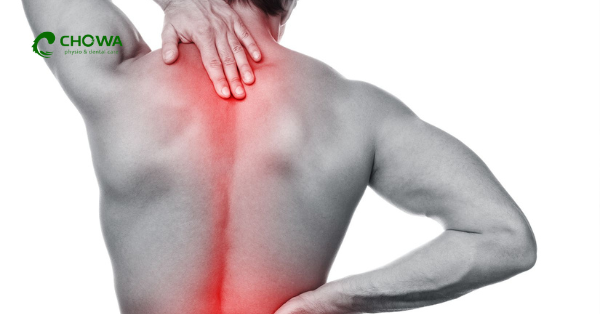
Sharp, Burning, or Electric Pain From Lower Back to Leg
The classic sciatica feeling is a sharp or burning pain traveling from the lower back or buttock down the leg. The pain may follow a narrow line. It may feel deep, hot, or shocking.
This type of pain can make people afraid to move. But complete rest is not always helpful. NHS guidance recommends carrying on with normal activities as much as possible and starting gentle movement when able [1]. A physiotherapist can guide which movements are safe for your condition.
Tingling, Numbness, or Pins-and-Needles Sensation in the Leg or Foot
Tingling and numbness are signs that the nerve may be involved. These symptoms may appear in the back of the thigh, calf, heel, foot, or toes.
If tingling is mild and improving, it may be monitored with professional guidance. If numbness is worsening, spreading, or linked with weakness, it needs urgent attention.
Pain That Increases While Sitting, Bending, Coughing, or Standing Long
Many sciatica patients feel worse while sitting. Some feel worse when bending forward. Others feel symptoms during coughing or sneezing because pressure changes around the spine can irritate sensitive tissues.
Long standing can also increase symptoms if the lower back and hips are not managing load well. Lower back sciatica treatment Gulshan should check these patterns carefully.
Weakness in the Leg, Ankle, or Foot That Needs Professional Attention
Weakness is more serious than pain alone. If the foot drops, the ankle feels weak, or the leg does not support you properly, you should seek medical advice quickly.
Weakness may suggest stronger nerve involvement. Do not try to manage this with online exercises only.
What Causes Sciatica and Sciatic Nerve Pain?
Sciatica happens when something presses, rubs, or irritates the sciatic nerve. Common causes can include slipped disc, disc bulge, spinal stenosis, spondylolisthesis, or back injury [1].
In daily life, poor posture, long sitting, weak core muscles, stiff hips, lifting mistakes, and repeated lower back strain may also contribute to symptoms. Sometimes the exact trigger is not obvious.
Disc Bulge, Herniated Disc, or Slipped Disc Pressure on the Nerve
A disc sits between the bones of the spine. If disc material bulges or presses near a nerve root, sciatic symptoms may appear. This can cause back pain with leg pain, tingling, numbness, or weakness.
Not every disc bulge causes symptoms. Not every sciatica case needs surgery. But disc-related symptoms should be assessed properly.
Spinal Stiffness, Narrowing, or Irritation Around the Lower Back
Spinal stiffness or narrowing around nerve pathways may irritate the nerve. Older adults may experience symptoms linked with degenerative changes. Some people feel worse when standing or walking and better when sitting or bending slightly forward.
The treatment plan depends on the pattern.
Poor Posture, Long Sitting, Desk Work, and Weak Core Muscles
Office workers in Gulshan may sit for long hours, work on laptops, drive in traffic, or bend toward screens. These habits can increase lower back strain and reduce movement variety.
Weak core muscles and poor hip mobility may also reduce spinal support. This is why sciatica physiotherapy in Gulshan often includes posture education, safe sitting advice, strengthening, and movement breaks.
Piriformis Muscle Tightness and Hip-Related Nerve Irritation
Sometimes sciatic-like symptoms may be linked with hip muscle tightness, especially around the piriformis muscle. This muscle sits deep in the buttock near the sciatic nerve. If it becomes tight or irritated, it may contribute to buttock and leg symptoms.
A physiotherapist can assess whether the problem appears spine-related, hip-related, or mixed.
Sciatica Physiotherapy in Gulshan: How It May Help
Sciatica physiotherapy in Gulshan may help by improving movement, reducing nerve irritation, building strength, correcting posture, and teaching safer daily habits. Treatment should always depend on assessment findings.
The purpose is not only short-term sciatica pain relief in Gulshan. It is also to reduce repeated flare-ups, improve function, and help patients return to walking, sitting, working, sleeping, and exercising with more confidence.
Detailed Pain Assessment and Movement Screening
A physiotherapist may ask where the pain starts, where it travels, how long it has been present, what makes it worse, and what gives relief. They may check lower back movement, hip flexibility, nerve tension signs, muscle strength, reflex-like responses, walking pattern, and posture.
This helps decide whether physiotherapy is suitable or whether referral is needed.
Posture, Flexibility, Strength, and Nerve Symptom Evaluation
Sciatic pain is often influenced by movement patterns. The therapist may check whether your spine is stiff, whether your hips are tight, whether your core is weak, and whether your nerve symptoms change with certain positions.
This is important for creating a personalized treatment plan.
Gentle Movement Therapy to Reduce Fear and Improve Mobility
When sciatica pain is intense, patients may avoid movement. Some rest is understandable. But long periods of sitting or lying down can make stiffness worse. Gentle movement can help many people recover when done correctly.
Movement therapy should be graded. This means it starts at a safe level and slowly progresses.
Core Strengthening and Lower Back Stability Training
Core strengthening may help improve support around the spine and pelvis. This does not mean doing hard abdominal exercises immediately. Early exercises may be simple and controlled.
Over time, the plan may progress to glute strengthening, hip control, spinal stability, and functional movement.
Nerve Gliding or Mobility Exercises When Suitable After Assessment
Nerve gliding exercises may help some patients when nerves are sensitive. But they should be selected carefully. Too much nerve stretching may worsen symptoms.
That is why sciatica exercise therapy Gulshan should be guided by a physiotherapist, especially if symptoms are severe or spreading.
Non Surgical Sciatica Treatment Gulshan: What Patients Should Know
Many sciatica cases may improve without surgery, but recovery time can differ. Non surgical sciatica treatment Gulshan may include physiotherapy, guided exercise, posture correction, manual therapy, education, pain management, and lifestyle changes.
NICE guidance covers assessment and management of low back pain and sciatica in people aged 16 and over, including physical, psychological, pharmacological, and surgical options based on need. This supports an individualized approach rather than one fixed treatment for every patient.
When Physiotherapy, Exercise Therapy, Posture Correction, and Lifestyle Changes May Help
Physiotherapy may help when symptoms are linked with movement, posture, stiffness, weakness, or poor load tolerance. Exercise therapy may improve strength and control. Posture correction may reduce repeated irritation. Lifestyle advice may help patients avoid flare-ups.
This approach works best when the plan is specific to the patient.
Why Non Surgical Sciatica Treatment Gulshan Should Be Condition-Specific
Non-surgical care is not one treatment. It is a plan. One patient may need spinal mobility work. Another may need hip strengthening. Another may need nerve-sensitive exercise. Another may need decompression-related assessment.
Condition-specific care reduces unnecessary treatment and improves safety.
When Medical Referral May Be Needed Despite Conservative Care
If pain is severe, worsening, causing weakness, or not improving after appropriate care, referral may be needed. Some patients may need imaging, medication review, injection consideration, or specialist evaluation.
A good clinic should not overpromise. It should guide honestly.
Lower Back Sciatica Treatment Gulshan: Understanding the Spine Connection
Lower back sciatica treatment Gulshan should focus on the lumbar spine because this is where many sciatic symptoms begin. The lumbar spine, discs, joints, nerve roots, muscles, and hips all need assessment.
A treatment plan may include spinal mobility, posture correction, core strengthening, hip flexibility, manual therapy, and careful exercise progression.
How the Lumbar Spine Can Trigger Sciatic Nerve Symptoms
The sciatic nerve is formed from nerve roots in the lower spine. If these nerve roots are irritated, pain may travel down the leg.
This is why a patient with leg pain may need lower back assessment, not only leg massage.
The Role of Spinal Mobility, Hip Flexibility, and Core Strength
Stiff spinal segments, tight hip muscles, and weak trunk muscles can increase stress around the lower back. Improving these areas may support better movement and reduce repeated strain.
The plan should progress slowly, especially if nerve symptoms are sensitive.
How Spinal Decompression May Be Considered for Disc-Related Symptoms
Spinal decompression may be considered for some disc-related back pain or sciatica cases after assessment. Chowa’s spinal decompression page describes it as a non-invasive physiotherapy technique that gently stretches the spine to reduce pressure on discs, nerves, and joints. It also lists sciatica and chronic lower back pain among conditions that may benefit.
However, spinal decompression is not suitable for everyone. The therapist should decide after assessment.
Sciatica Pain Relief in Gulshan: Treatment Options That May Be Used
Sciatica pain relief in Gulshan may include manual therapy, therapeutic exercise, posture correction, electrotherapy, heat support, spinal decompression when suitable, and education for daily movement.
The treatment plan should reduce irritation while helping the patient stay active safely.
Manual Therapy for Stiffness and Movement Restriction
Manual therapy may help with joint stiffness, muscle tightness, and movement restriction. NHS lists physiotherapy for sciatica as including exercise advice and techniques like manual therapy [1].
Manual therapy should usually be combined with active exercises. Passive treatment alone may not solve recurring sciatica.
Therapeutic Exercise for Strength, Balance, and Function
Exercises may target the lower back, hips, glutes, core, and legs. The goal is not only pain reduction. It is better function.
A patient may need to walk better, sit longer, sleep better, return to work, or reduce fear of movement.
Posture Correction for Sitting, Standing, and Daily Activity
Posture correction can reduce repeated irritation. This may include sitting support, screen height, safe bending, lifting technique, sleep position, and movement breaks.
NHS recommends good posture when sitting and standing and correct sitting when using a computer to help reduce recurrence risk.
Chronic Sciatica Treatment in Gulshan: When Pain Keeps Returning
Chronic sciatica treatment in Gulshan is needed when pain keeps coming back, lasts for months, or affects life repeatedly. Chronic symptoms often need a long-term plan.
Recurring sciatica may be linked with weak muscles, poor movement habits, repeated sitting strain, poor lifting technique, disc irritation, or incomplete rehabilitation.
Why Recurring Sciatica Needs a Long-Term Plan
If symptoms keep returning, short-term pain relief may not be enough. The patient may need progressive strengthening, posture correction, activity pacing, and follow-up.
The plan should help the body tolerate daily load better.
How Lifestyle, Work Posture, and Activity Pacing Affect Recovery
Office work, driving, sleep, exercise habits, and stress can all affect recovery. A patient who sits for long hours may need regular movement breaks. A patient who lifts often may need lifting technique training. A patient who fears movement may need graded exposure.
Chronic sciatica treatment in Gulshan should include daily habit education.
Sciatica Exercise Therapy Gulshan: Safe Movement for Recovery
Sciatica exercise therapy Gulshan should be safe, gradual, and based on symptoms. Random online exercises may help some people but worsen others. For example, deep stretching may irritate the nerve in some cases.
A physiotherapist may start with gentle mobility, pain-free range movement, core activation, hip strength, walking guidance, and nerve gliding only when suitable.
Gentle Exercises That May Be Introduced After Proper Assessment
Depending on the condition, exercises may include pelvic tilts, gentle back mobility, walking, glute activation, core control, hip mobility, and nerve mobility. But the exact plan should come after assessment.
Pain should be monitored. Mild discomfort may be acceptable in some rehab programs, but worsening leg pain, increasing numbness, or weakness should not be ignored.
Core, Hip, and Glute Strengthening for Better Support
The lower back works with the hips and pelvis. If the hips and glutes are weak, the lower back may take more load. Strengthening can support long-term control.
This is especially important for people with recurring sciatica or desk-related lower back pain.
When Should You See a Sciatica Specialist in Gulshan?
You should consider seeing a sciatica specialist in Gulshan if pain spreads below the knee, reaches the foot, causes numbness or weakness, affects walking, disrupts sleep, or does not improve with basic home care.
A specialist or experienced physiotherapist can assess whether symptoms are suitable for physiotherapy or need further medical evaluation.
Pain That Affects Walking, Sleep, Work, or Daily Movement
Pain that affects normal life deserves attention. If you cannot walk comfortably, sit at work, sleep properly, or complete daily activities, book an assessment.
Delaying care may increase fear, stiffness, and weakness.
Why a Sciatica Specialist in Gulshan Should Guide Treatment After Assessment
A sciatica specialist in Gulshan should guide treatment based on clinical findings, not assumptions. The right plan may include physiotherapy, medical referral, imaging suggestion, or combined care depending on symptoms.
Red Flags: When Sciatica Needs Urgent Medical Attention
Some symptoms should never be ignored. NHS advises urgent medical help if sciatica affects both sides, if weakness or numbness in both legs is severe or worsening, if there is numbness around the genitals or bottom area, or if there are bladder or bowel control problems [1].
These can indicate a serious back problem and require emergency care.
Sudden Leg Weakness or Foot Drop
Foot drop means difficulty lifting the front of the foot. This may cause tripping while walking. It needs urgent professional attention.
Loss of Bladder or Bowel Control
Bladder or bowel control changes with sciatica symptoms should be treated as an emergency. Do not wait for a clinic appointment.
Numbness Around the Saddle Area
Numbness around the groin, genitals, or bottom area can be a serious warning sign. Seek urgent care.
Sciatica Treatment Cost in Gulshan: What Can Affect Pricing?
Sciatica treatment cost in Gulshan can vary based on first assessment, number of sessions, treatment type, severity, duration, manual therapy use, exercise therapy, electrotherapy, spinal decompression, and follow-up needs.
A patient with mild symptoms may need a shorter plan. A patient with chronic sciatica, severe leg pain, or disc-related symptoms may need longer follow-up.
First Consultation and Assessment Fee
The first consultation may include detailed history, movement testing, posture assessment, nerve symptom screening, and treatment planning. This may be priced differently from follow-up sessions.
Number of Follow-Up Physiotherapy Sessions Needed
Follow-up sessions depend on progress. If symptoms improve quickly, fewer sessions may be needed. If symptoms are chronic or complex, a longer plan may be recommended.
How to Compare Cost Based on Value, Safety, and Care Quality
Do not compare sciatica treatment cost in Gulshan only by price. Compare assessment quality, therapist explanation, treatment safety, equipment, hygiene, follow-up support, and home exercise guidance.
The best sciatica treatment in Gulshan should be safe, realistic, and personalized.
Best Sciatica Treatment in Gulshan: How to Choose the Right Clinic
Choosing the best sciatica treatment in Gulshan means choosing a clinic that assesses properly, explains clearly, avoids overpromising, and builds a plan around your condition.
Look for physiotherapy support for back pain, nerve pain, movement limitation, posture correction, spinal decompression suitability, and rehabilitation care.
Assessment Quality and Clear Diagnosis Direction
A strong clinic should identify whether symptoms are likely related to nerve irritation, disc issues, posture strain, hip tightness, or another concern. It should also explain when medical referral is needed.
Patient-Focused Explanation and Safe Treatment Planning
Patients should understand the treatment plan. They should know what to do, what to avoid, and when to seek help. Clear communication builds trust.
Why the Best Sciatica Treatment in Gulshan Should Avoid Overpromising
Avoid clinics or content that promises guaranteed cure, instant relief, or permanent results for every patient. Sciatica recovery depends on cause, severity, duration, lifestyle, and response to treatment.
What to Expect at Chowa Physio & Dental Care in Gulshan
Chowa Physio & Dental Care is located in Gulshan 2, Dhaka, and offers physiotherapy and dental care under one roof. Its website lists physiotherapy services such as chronic pain management, sports injury physiotherapy, post-surgery physiotherapy, elderly mobility restoration, back and neck pain treatment, stroke rehabilitation, orthopedic rehabilitation, and corporate wellness therapy [4].
For sciatica treatment in Gulshan, patients can expect an assessment-based approach. A physiotherapist may review pain history, lower back movement, posture, nerve symptoms, daily activity limits, and mobility goals.
Initial Pain History and Lower Back Assessment
The first step is understanding your symptoms. The therapist may ask when the pain started, whether it travels down the leg, what positions worsen it, and whether numbness or weakness is present.
Personalized Physiotherapy Plan Based on Condition
Treatment may include guided therapy, home exercise advice, posture education, manual therapy, strengthening, mobility work, or spinal decompression assessment when appropriate.
Appointment Access Through Phone, Website Form, or WhatsApp
Chowa’s appointment page includes patient details, preferred service selection, and problem description fields, helping patients request physiotherapy or dental care appointments [5]. The site also lists Chowa’s address as House 7A, Road 41, Gulshan 2, Dhaka-1212, with phone, email, and daily hours.
Convenient Location for Nearby Patients
Chowa’s Gulshan 2 location may be convenient for patients from Gulshan, Banani, Baridhara, Niketan, Mohakhali, Badda, and nearby Dhaka areas.
Medical disclaimer: This article is for general health information only. It is not a diagnosis, prescription, or personal treatment plan. If your pain is severe, spreading, worsening, or linked with numbness, weakness, bladder or bowel changes, fever, trauma, or sudden leg weakness, please seek urgent medical care.
FAQs
What is sciatica?
Sciatica is pain or symptoms caused by irritation or compression of the sciatic nerve. It often travels from the lower back or buttock down one leg.
What causes sciatic nerve pain?
Common causes include slipped disc, disc bulge, spinal stenosis, spondylolisthesis, back injury, posture strain, or hip-related irritation.
When should I seek sciatica treatment in Gulshan?
Seek sciatica treatment in Gulshan if pain spreads down the leg, causes tingling, numbness, weakness, affects walking or sleep, or does not improve with basic care.
Can sciatica physiotherapy in Gulshan help nerve pain?
Sciatica physiotherapy in Gulshan may help nerve pain after proper assessment through guided exercise, posture correction, manual therapy, movement training, and home care advice.
Is non surgical sciatica treatment Gulshan effective?
Non surgical sciatica treatment Gulshan may help many patients, depending on the cause and severity. The plan should be condition-specific and guided by assessment.
How long does sciatica pain relief in Gulshan take?
Recovery time varies. Some patients improve within weeks, while chronic or severe cases may need longer rehabilitation and follow-up care.
What exercises are safe for sciatica?
Safe exercises depend on your symptoms. Gentle movement, walking, core activation, hip mobility, and nerve gliding may be used after assessment. Avoid random painful exercises.
When should I see a sciatica specialist in Gulshan?
See a sciatica specialist in Gulshan if pain spreads below the knee, reaches the foot, causes numbness or weakness, affects daily life, or keeps returning.
What affects sciatica treatment cost in Gulshan?
Sciatica treatment cost in Gulshan may depend on consultation fee, number of sessions, manual therapy, exercise therapy, electrotherapy, decompression use, and symptom complexity.
Can chronic sciatica treatment in Gulshan prevent repeated pain?
Chronic sciatica treatment in Gulshan may reduce repeated flare-ups by improving strength, posture, movement habits, flexibility, and self-management after proper assessment.
Final Appointment CTA
If back pain is traveling to your hip, buttock, leg, or foot, do not treat it as normal stiffness without proper assessment. Book a sciatica treatment in Gulshan assessment at Chowa Physio & Dental Care.
Visit Chowa in Gulshan 2, Dhaka for lower back sciatica treatment Gulshan, sciatica physiotherapy in Gulshan, sciatic nerve pain treatment Gulshan, and recovery guidance based on your condition.
Call or WhatsApp to discuss sciatic nerve pain, leg pain, numbness, tingling, weakness, or mobility problems before booking.
About Chowa Physiotherapy & Dental Care
Chowa Physio & Dental Care is a trusted physiotherapy and dental care center in Gulshan 2, Dhaka, offering patient-focused physiotherapy, chronic pain management, back and neck pain treatment, spinal decompression guidance, rehabilitation care, and dental services under one roof. For patients searching for sciatica treatment in Gulshan, Chowa provides assessment-based physiotherapy support for sciatic nerve pain, lower back sciatica, mobility issues, and recovery planning for patients from Gulshan and nearby Dhaka areas.
