
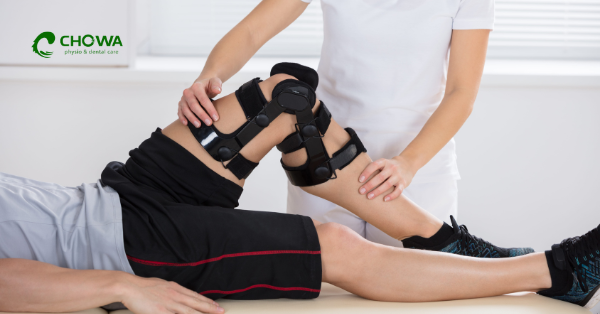
Can ACL injury rehabilitation in Gulshan help you recover from knee pain, swelling, and instability?
Yes, assessment-based ACL injury rehabilitation in Gulshan may help reduce knee pain, restore movement, rebuild strength, improve balance, and support safer walking, sports activity, or post-surgery recovery.
Medical disclaimer: This article is for general education only. It does not replace a physical examination, medical diagnosis, imaging advice, surgery decision, or personalized physiotherapy plan. Seek urgent medical attention if knee pain follows major trauma, the knee looks deformed, swelling is severe, you cannot bear weight, the knee locks, or numbness and weakness appear.
What Is an ACL Injury and Why Does the Knee Feel Unstable?
The ACL, or anterior cruciate ligament, is one of the main stabilizing ligaments inside the knee. It helps control forward movement of the shin bone and supports rotational stability when you walk, run, jump, stop, turn, or change direction.
An ACL injury happens when this ligament becomes stretched, partially torn, or completely torn. Many ACL injuries occur during sports, especially when the knee twists, the foot stays planted, the body changes direction quickly, or a person lands awkwardly from a jump. This is why athletes, football players, basketball players, runners, and active adults often search for ACL injury rehabilitation in Gulshan after sudden knee trauma.
The knee may feel unstable because the ACL normally acts like an internal restraint system. When it is injured, the knee can feel loose, unreliable, or as if it may “give way.” This sensation can reduce confidence. Even simple movements like walking, climbing stairs, standing from a chair, or turning quickly may feel unsafe.
ACL rehab in Gulshan focuses on more than pain relief. It aims to restore knee movement, rebuild muscle strength, improve neuromuscular control, and teach the body how to move safely again. A structured plan is important because untreated instability may increase the risk of further knee injury.
Common Symptoms That May Need ACL Injury Treatment in Gulshan
ACL injury symptoms can appear suddenly. Some people hear or feel a pop at the time of injury. Others feel immediate pain and stop activity because the knee no longer feels supportive.
Common symptoms that may need ACL injury treatment in Gulshan include sudden knee pain after twisting, landing, pivoting, or changing direction. Swelling may develop within hours. The knee may feel tight, heavy, or difficult to bend. Some patients find it hard to walk normally, climb stairs, squat, or stand on one leg.
A feeling of knee giving way is another major sign. This can happen during sports, quick turns, uneven walking, or even daily activity. Pain during running, jumping, or cutting movements may also suggest ligament involvement.
These symptoms do not always mean a complete ACL tear. Meniscus injury, MCL sprain, cartilage injury, bone bruising, and other knee ligament problems can feel similar. That is why ACL injury treatment in Gulshan should begin with proper assessment rather than guesswork.
ACL Tear Physiotherapy Gulshan: How Diagnosis and Assessment Work
ACL tear physiotherapy Gulshan should start with a detailed history. The physiotherapist may ask how the injury happened, whether there was a popping feeling, when swelling started, whether the knee gives way, and what activities are now difficult.
The assessment may include checking knee swelling, pain level, range of motion, walking pattern, muscle control, balance, and functional movement. The physiotherapist may compare the injured knee with the other knee to understand movement loss and strength difference.
Knee stability tests may help identify possible ACL involvement. However, diagnosis may also need imaging or orthopedic review, especially if there is major swelling, locking, severe instability, or suspicion of a meniscus or multi-ligament injury.
MRI can show the extent of ACL injury and possible damage to other soft tissues such as cartilage or meniscus. X-rays may be used to rule out fracture after trauma. Assessment helps decide whether the patient may benefit from non surgical ACL rehab Gulshan, ACL surgery rehab in Gulshan, or medical referral.
ACL Injury Rehabilitation in Gulshan: Why Early Rehab Matters
Early ACL injury rehabilitation in Gulshan is important because the knee can quickly lose movement, strength, and confidence after injury. The early stage is not about doing advanced exercise. It is about calming the knee, reducing swelling, restoring safe movement, and preventing unnecessary stiffness.
A swollen knee does not move well. It also makes the quadriceps muscle less active, creating a protective inhibition effect. This can make walking feel weak or unstable. Early rehab may include gentle range of motion, muscle activation, swelling control, gait support, and safe home instructions.
Random exercises from the internet may not be suitable after an ACL injury. Some exercises may overload the knee too early. Others may ignore the real problem, such as poor hip control, weak quadriceps, poor landing mechanics, or fear of movement.
Professional ACL physiotherapy Gulshan gives structure. It helps the patient progress from protection to strength, then balance, then functional movement, and finally return to sport or daily activity when appropriate.
ACL Rehab in Gulshan: Key Phases of Recovery
ACL rehab in Gulshan usually follows a phased approach. Each phase has a goal. Patients should move forward based on function, not only time.
Pain, Swelling, and Movement Control Phase
The first goal is to reduce pain and swelling. The knee may need rest from aggravating activities, compression, elevation, icing when suitable, and gentle movement. The physiotherapist may guide safe knee bending and extension exercises.
Full knee extension is especially important. If the knee cannot straighten properly, walking can become altered and the joint may remain irritated.
Muscle Activation and Early Strengthening Phase
The next step is restoring muscle activation. Quadriceps, hamstrings, hip muscles, calf, and core all support knee control. Early strengthening should be controlled and pain-sensitive.
Balance and Stability Training Phase
After basic movement improves, balance training becomes important. The knee must learn to manage small shifts in body weight. This is called proprioception. It is the body’s internal position sense.
Functional Movement Phase
Functional rehab may include walking correction, stair training, sit-to-stand work, light squatting, step-ups, and controlled direction changes. The goal is better movement quality.
Running, Jumping, and Sports Preparation Phase
Sports injury ACL rehab Gulshan may later include running drills, agility, hopping, landing mechanics, pivoting control, and sport-specific movement.
Return-to-Sport Decision Phase
Return to sport should not be rushed. Strength, movement quality, confidence, and knee stability should be tested before high-risk activity.
Non Surgical ACL Rehab Gulshan: Who May Need It?
Not every ACL injury needs surgery. Non surgical ACL rehab Gulshan may be considered for some partial ACL injuries, lower-demand patients, recreationally active people, or patients whose knee instability can be controlled with rehabilitation and activity modification.
This decision should be made carefully with medical and physiotherapy guidance. A patient who does not play pivoting sports may do well with structured strengthening, balance training, and movement education. Another patient with repeated knee buckling during daily activity may need orthopedic review.
Non surgical ACL rehab Gulshan usually focuses on quadriceps strength, hamstring control, hip strength, core stability, gait correction, balance, and gradual return to daily function. The patient also learns how to avoid unsafe twisting, sudden pivoting, and premature sports activity.
The goal is not simply to “avoid surgery.” The goal is to restore safe function and reduce future injury risk.
ACL Surgery Rehab in Gulshan: What Patients Should Expect
ACL surgery may be recommended when the patient is an athlete, wants to return to sports involving jumping or pivoting, has more than one injured ligament, has meniscus or cartilage involvement, or the knee buckles during normal daily activities.
ACL surgery does not finish the recovery. It starts another journey. Surgery may reconstruct the damaged ligament using a graft, but the knee still needs months of rehabilitation to restore movement, strength, coordination, and confidence.
ACL surgery rehab in Gulshan may begin with swelling control, pain management, knee extension, safe walking, and muscle activation. As healing progresses, strengthening and balance work become more important. Later stages may include running, jumping, cutting, and sport-specific drills when medically allowed.
The patient should follow the surgeon’s restrictions and physiotherapist’s plan. Doing too much too early can irritate the knee. Doing too little can delay strength and movement recovery.
Post ACL Surgery Physiotherapy Gulshan: Recovery Timeline Overview
Post ACL surgery physiotherapy Gulshan should be staged and criteria-based.
In the first stage, the main focus is swelling control, pain management, knee extension, gentle bending, and safe walking. Crutches or a brace may be used depending on surgical instruction.
In the second stage, walking pattern improves. Muscle activation becomes stronger. The patient may gradually improve range of motion, begin controlled strengthening, and work on balance.
In the third stage, strength and stability become the main focus. The quadriceps, hamstrings, hip muscles, calf, and core need progressive loading. The knee should become more confident during stairs, squats, step-downs, and daily activity.
In the fourth stage, running and agility may be introduced if strength, swelling, pain, and movement are suitable. This is where many patients become impatient. But a knee that feels better is not always ready for cutting or pivoting.
In the final stage, return-to-sport testing and sport-specific training become important. Jumping, landing, quick turning, and deceleration should be assessed before return to high-risk sport.
Knee Ligament Injury Rehab Gulshan: Beyond the ACL
ACL injuries may occur with other knee injuries. The meniscus may be torn. The MCL, LCL, or PCL may also be involved. Bone bruising and cartilage injury can also occur after twisting trauma.
That is why knee ligament injury rehab Gulshan should not look only at the ACL. A combined knee injury may require a slower plan, additional protection, bracing, imaging, or orthopedic management.
The physiotherapist may assess knee swelling, locking, giving way, range of motion, walking pattern, and tenderness around the joint. If the knee locks or cannot straighten, a meniscus injury may be suspected. If there is side-to-side instability, collateral ligament involvement may need review.
Knee ligament injury rehab Gulshan supports safe function by rebuilding strength around the knee and improving the movement system around the hip, pelvis, ankle, and trunk.
ACL Knee Pain Treatment Gulshan: Managing Pain During Recovery
ACL knee pain treatment Gulshan should be based on findings. Knee pain may continue because of swelling, muscle weakness, altered walking, joint irritation, meniscus involvement, or post-surgical healing.
Pain control may include activity modification, guided exercise, swelling management, gentle mobility, manual therapy when appropriate, and electrotherapy when suitable. The goal is to keep the knee active without irritating it.
Strengthening should be gradual. The knee may tolerate straight-line activity before pivoting activity. It may tolerate cycling before running. It may tolerate double-leg exercises before single-leg hopping.
ACL knee pain treatment Gulshan should not rely only on passive methods. Long-term recovery depends heavily on active rehabilitation, progressive strengthening, and neuromotor retraining.
Sports Injury ACL Rehab Gulshan: Returning to Activity Safely
Athletes need more than basic knee exercises. Sports injury ACL rehab Gulshan should include the physical and cognitive demands of sport.
A player must learn how to decelerate, land, cut, pivot, jump, and react. These actions place high load on the knee. Poor technique can increase reinjury risk.
Rehab may include landing drills, single-leg control, hopping, agility patterns, balance reactions, running mechanics, and sport-specific simulation. The physiotherapist may also assess fear, confidence, and readiness.
Returning to play too early can be risky. The knee needs strength, stability, coordination, and psychological readiness. A proper return-to-sport plan should be based on testing, not only the calendar.
ACL Injury Recovery Gulshan: Mistakes That Can Slow Progress
ACL injury recovery Gulshan can slow down when patients return to sport too early, skip strengthening, ignore swelling, or follow random exercises without assessment.
Another common mistake is training only the knee. The hip, pelvis, ankle, foot, and core also influence knee control. Weak hip muscles may allow the knee to collapse inward during landing or squatting. Poor ankle mobility may change movement mechanics. Low core control may reduce balance during fast direction change.
Ignoring swelling after exercise is also a warning sign. Swelling means the knee is not happy with the load. The rehab plan may need adjustment.
Post-surgery patients should not ignore surgical restrictions. Graft healing, tissue tolerance, and surgeon instructions matter. Consistency is important. Progress may be slow, but slow progress is still progress.
Physiotherapist for ACL Injury Gulshan: How to Choose the Right Care
A good physiotherapist for ACL injury Gulshan should understand knee injury, sports rehabilitation, post-surgery protocols, non-surgical pathways, and return-to-activity planning.
Look for detailed assessment before treatment. A proper plan should include phases, goals, home exercises, progress tracking, and referral guidance when needed.
The physiotherapist should assess strength, range of motion, balance, walking, stair control, and functional movement. For athletes, the plan should include running, jumping, landing, cutting, pivoting, and return-to-sport testing at the right stage.
Avoid care that promises instant recovery. ACL rehab needs time, planning, and discipline. A safe physiotherapy plan should be realistic, individualized, and evidence-informed.
ACL Rehabilitation Cost Gulshan: What May Affect Pricing?
ACL rehabilitation cost Gulshan can vary because each patient’s injury is different. Cost may depend on the initial consultation, assessment, number of sessions, surgical or non-surgical pathway, severity of swelling, weakness, instability, pain level, and return-to-sport goals.
A patient with mild instability may need fewer visits than a patient recovering after ACL reconstruction. Athletes may require longer rehab because they need advanced strength, agility, plyometrics, and sport-specific testing.
Manual therapy, electrotherapy, supervised exercise, home program review, and progress monitoring may also affect cost. The best approach is to confirm current fees with the clinic after assessment.
When comparing ACL rehabilitation cost Gulshan, do not look at price alone. Assessment quality, safety, communication, equipment, follow-up, and proper progression matter.
Best ACL Injury Rehab in Gulshan: What Quality Care Should Include
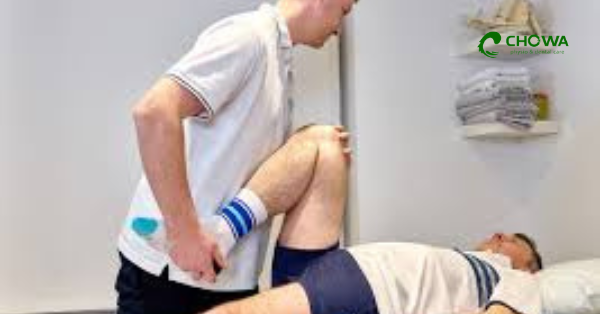
The best ACL injury rehab in Gulshan should include an assessment-based treatment plan, pain and swelling management, knee mobility restoration, progressive strengthening, balance training, proprioception work, gait training, stair training, home exercise guidance, and return-to-activity planning.
For sports patients, quality care should include sport-specific movement preparation. For post-surgery patients, the plan should follow medical guidance. For non-surgical patients, the plan should focus on knee control, strength, and activity modification.
Good ACL rehab is not a one-session solution. It is a progressive process. The patient and physiotherapist work together, measure progress, adjust loads, and move toward realistic goals.
The final goal is not only a stronger knee. It is a safer, more confident body.
What to Expect at Chowa Physio & Dental Care
At Chowa Physio & Dental Care, patients can expect a structured physiotherapy approach for knee pain, sports injury, orthopedic rehabilitation, and post-surgery recovery. The clinic’s physiotherapy services include manual therapy, electrotherapy, digital assessment tools, progressive strengthening protocols, sports injury physiotherapy, post-surgery physiotherapy, chronic pain management, back and neck pain treatment, elderly mobility restoration, and orthopedic rehabilitation.
For ACL physiotherapy Gulshan, a session may include injury history review, knee pain assessment, swelling check, walking observation, range of motion testing, strength screening, balance assessment, and functional movement review.
Based on findings, the plan may include ACL knee pain treatment, guided strengthening, balance work, mobility exercises, walking correction, return-to-activity planning, and home exercise guidance. Patients recovering from surgery may receive post ACL surgery physiotherapy Gulshan in coordination with medical advice.
Chowa is located in Gulshan 2, Dhaka, which may be convenient for patients from Banani, Baridhara, Niketan, Mohakhali, Badda, and nearby areas.
FAQs
What is an ACL injury?
An ACL injury is a sprain or tear of the anterior cruciate ligament, one of the main ligaments that helps stabilize the knee during movement, running, jumping, and direction change.
How do I know if I have an ACL tear?
A possible ACL tear may cause a popping sensation, sudden pain, swelling, reduced movement, and knee instability. A clinical assessment and sometimes MRI may be needed.
Can an ACL injury heal without surgery?
Some partial or lower-demand ACL injuries may be managed with non surgical ACL rehab Gulshan. Surgery may be considered for athletes, repeated instability, combined injuries, or high-demand activity goals.
When should I start ACL injury rehabilitation in Gulshan?
Start after proper assessment, especially if you have swelling, pain, walking difficulty, reduced knee movement, or knee giving way after injury.
What is included in ACL physiotherapy Gulshan?
ACL physiotherapy Gulshan may include pain and swelling management, knee mobility work, strengthening, balance training, gait correction, functional exercises, and return-to-sport preparation.
How long does ACL rehab in Gulshan usually take?
The timeline varies. Non-surgical cases may progress differently from post-surgery cases. Athletes may need several months or longer before safe return to high-risk sport.
About Chowa Physiotherapy & Dental Care
Chowa Physio & Dental Care is a physiotherapy and dental care center in Gulshan 2, Dhaka, providing assessment-based physiotherapy, sports injury rehabilitation, orthopedic rehabilitation, post-surgery physiotherapy, chronic pain management, and mobility-focused care. For patients searching for ACL injury rehabilitation in Gulshan, Chowa supports personalized knee assessment, guided ACL rehab, progressive strengthening, balance training, pain management, and safe recovery planning based on individual needs.
