
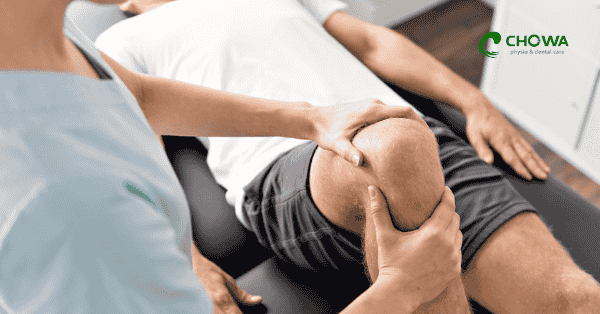
Can PLID physiotherapy in Gulshan help manage lower back pain and leg symptoms?
Yes, PLID physiotherapy in Gulshan may support pain control, safer movement, spinal strength, and mobility after a proper assessment that identifies the patient’s symptoms and treatment needs.
Medical disclaimer: This article provides general health information only. It does not replace diagnosis, imaging interpretation, medication advice, or an individual treatment plan. Seek urgent medical care for bladder or bowel changes, saddle-area numbness, rapidly worsening weakness, foot drop, fever, major trauma, or severe progressive symptoms.
What Is PLID and Why Can It Cause Back Pain?
PLID stands for prolapse of the lumbar intervertebral disc. The lumbar region is the lower part of the spine. Between the spinal bones are soft, cushion-like discs that absorb pressure and help the back bend, twist, and move.
When part of a lumbar disc pushes outward, it may be described as a prolapsed, herniated, slipped, or bulging disc. These terms are often used differently in everyday conversation, although they do not always mean exactly the same thing clinically.
A slipped or prolapsed disc may cause pain when the protruding disc material irritates a nearby nerve. However, not every disc bulge creates symptoms. Some people have disc changes on scans without pain, weakness, or mobility problems. This is why scan findings should be interpreted alongside the patient’s symptoms and physical examination. [1]
PLID physiotherapy in Gulshan should therefore focus on the individual rather than treating an MRI report alone. The physiotherapist needs to understand where the pain travels, what movements trigger it, whether nerve symptoms are present, and how the condition affects daily life.
How Spinal Discs Support Movement and Absorb Pressure
Spinal discs work like flexible shock absorbers. They help distribute load when a person walks, sits, bends, lifts, or changes position. Each disc has a softer central area surrounded by tougher outer tissue.
Daily pressure is normal. Problems may appear when the disc is repeatedly overloaded, injured, affected by age-related changes, or combined with poor movement habits. Long sitting, incorrect lifting, inactivity, excess body weight, and sudden physical strain may increase pressure on the lower back.
The goal of lumbar disc physiotherapy in Gulshan is not to make the spine “perfect.” It is to help the body manage load more safely by improving movement, strength, flexibility, posture, and confidence.
Disc Bulge, Herniated Disc, Slipped Disc, and PLID
Patients often hear several terms and become confused.
A disc bulge generally refers to disc tissue extending beyond its normal boundary. A herniated or prolapsed disc usually means a more localized displacement of disc material. “Slipped disc” is a common public term, although the disc does not literally slide out of place.
PLID commonly refers to a prolapsed lumbar intervertebral disc affecting the lower back. Symptoms may remain in the back or spread into the buttock, hip, leg, ankle, or foot if a nerve root becomes irritated.
Disc bulge physiotherapy Gulshan should not be based only on the name of the scan finding. The treatment approach depends on pain behavior, nerve involvement, strength, mobility, daily function, and red-flag screening.
Common Symptoms That May Need PLID Physiotherapy in Gulshan
PLID symptoms may begin suddenly after lifting, bending, twisting, or falling. They may also develop gradually after long periods of sitting, desk work, driving, or reduced activity.
Common symptoms include:
- Persistent lower back pain or stiffness
- Pain spreading into the buttock, hip, thigh, calf, or foot
- Tingling, numbness, burning, or pins-and-needles sensations
- Difficulty bending or straightening the back
- Pain that worsens with sitting, coughing, sneezing, or lifting
- Weakness in the leg, ankle, or foot
- Reduced walking, standing, or sitting tolerance
A prolapsed disc can cause lower back pain, numbness, tingling, reduced spinal movement, muscle weakness, and sciatic pain when a nerve is affected. However, some slipped discs cause no symptoms at all.
This is why PLID physiotherapy in Gulshan should begin with a clinical assessment rather than immediate use of a machine, massage, or generic exercise routine.
Pain Spreading From the Back Into the Hip or Leg
Pain traveling from the lower back into one leg may suggest nerve irritation. This is often described as sciatica. Sciatic symptoms may include sharp or burning pain, tingling, numbness, and weakness affecting the buttock, back of the leg, foot, or toes.
The leg pain may feel stronger than the back pain. Some patients feel pain below the knee, while others notice numb toes, calf tightness, or ankle weakness.
Sciatic pain PLID treatment Gulshan should include nerve-related screening. The physiotherapist may examine spinal movement, leg strength, sensation, walking pattern, and whether particular positions increase or reduce symptoms.
What Causes Lumbar Disc Problems?
Lumbar disc problems rarely have one simple cause. They may develop through a combination of tissue changes, mechanical loading, lifestyle habits, and injury.
Possible contributors include:
- Lifting a heavy object with poor technique
- Sudden bending or twisting under load
- Sitting or driving for long periods
- Weak trunk, hip, and glute muscles
- Inactivity and reduced movement variety
- Repeated physical strain
- Sports injuries or falls
- Age-related disc changes
- Excess body weight
- Smoking, which may affect disc health
The NHS identifies ageing, excessive exercise, incorrect heavy lifting, prolonged sitting or driving, inactivity, and being overweight among factors associated with slipped discs.
These factors do not mean every patient will develop PLID. They simply help the physiotherapist understand the patient’s loading pattern and potential recovery barriers.
PLID Treatment in Gulshan: When Should You Seek Professional Care?
Consider professional PLID treatment in Gulshan when back pain continues despite basic rest, repeatedly returns, travels into the leg, or limits normal activity.
You should also seek assessment when:
- Pain prevents comfortable sitting or sleeping
- Symptoms affect office work or driving
- Leg pain travels below the knee
- Numbness or tingling persists
- The leg feels weak or unstable
- Pain worsens over several days or weeks
- Home exercises make symptoms worse
- You are unsure whether your condition is safe for physiotherapy
Persistent pain, worsening symptoms, fever, unexplained weight loss, night pain, and neurological changes may require medical evaluation.
PLID treatment in Gulshan may involve physiotherapy alone, medical assessment, imaging review, medication guidance from a doctor, or coordinated care. The correct pathway depends on the patient’s condition.
How PLID Physiotherapy Gulshan Dhaka May Support Recovery
PLID physiotherapy Gulshan Dhaka may support recovery by helping patients move safely, reduce unnecessary fear, improve spinal support, and gradually return to daily activity.
The first step is assessment. The physiotherapist may ask:
- When did the pain begin?
- Where does it travel?
- Is there tingling or numbness?
- What makes the pain better or worse?
- Is there weakness in the leg or foot?
- Can the patient sit, stand, sleep, and walk normally?
- Has imaging or medical advice already been received?
Physical assessment may include posture, spinal mobility, hip movement, muscle strength, nerve sensitivity, balance, gait, and functional movements such as sitting, bending, or standing.
This information helps create a personalized rehabilitation plan. NICE guidance emphasizes assessment and management according to individual needs, preferences, symptoms, and circumstances rather than a universal protocol.
Identifying Positions and Activities That Affect Pain
PLID symptoms often change with position. One patient may feel worse while sitting. Another may struggle with standing. Bending forward may aggravate one person but not another.
The physiotherapist may use these symptom patterns to guide treatment. Helpful movements can be repeated gradually, while strongly aggravating activities may be temporarily modified.
The aim is not to avoid all movement. It is to find tolerable movement and build capacity from there.
Using Gradual Movement to Rebuild Mobility and Confidence
Pain can make patients afraid to move. They may avoid bending, walking, or exercise because they fear further damage. Short-term caution may be reasonable, but prolonged inactivity can increase stiffness, weakness, and dependence.
Gentle movement is often introduced as symptoms allow. The NHS advises gradually returning to activities and gentle exercise rather than remaining inactive for long periods.
A structured PLID exercise therapy Gulshan plan may begin with simple mobility and progress toward strengthening, lifting practice, walking tolerance, and return-to-work activity.
Non Surgical PLID Treatment Gulshan: What Patients Should Know
Many disc-related conditions do not require surgery. A prolapsed disc often improves gradually with appropriate activity, pain management, exercise, and physiotherapy. Surgery is usually considered when symptoms fail to improve with other care or when worsening weakness or numbness is present.
Non-surgical PLID treatment, Gulshan may include:
- Patient education
- Activity modification
- Guided exercise
- Posture and ergonomic correction
- Manual therapy when suitable
- Progressive strengthening
- Nerve mobility exercises
- Heat or other supportive modalities
- Spinal decompression assessment
- Home exercise planning
Non-surgical care must still be individualized. A patient with mild back stiffness should not receive the same plan as someone with progressive foot weakness.
When Conservative Treatment May Not Be Suitable
Physiotherapy alone may not be suitable when serious symptoms are present. The physiotherapist should refer the patient when findings suggest urgent medical investigation or specialist care.
Referral may also be appropriate when pain remains severe, neurological weakness progresses, treatment repeatedly fails, or the diagnosis is unclear.
Safe physiotherapy includes knowing when not to continue.
Prolapsed Disc Physiotherapy Gulshan: Treatment Methods That May Be Used
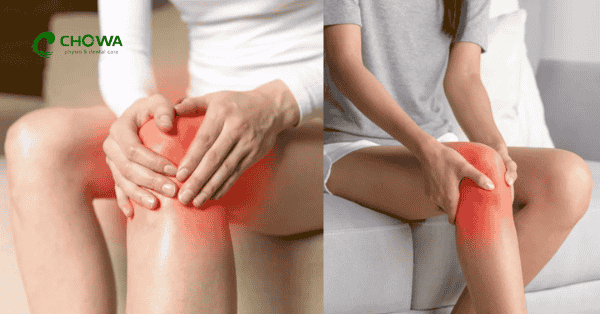
Prolapsed disc physiotherapy, Gulshan may combine active rehabilitation with selected symptom-relief techniques.
Manual Therapy
Manual therapy may be used to address stiffness, restricted movement, or muscle guarding. It can include gentle joint movement, soft-tissue techniques, or guided positioning.
Manual therapy should normally support an active program rather than replace exercise and education.
Therapeutic Exercise
Therapeutic exercise may help improve flexibility, strength, endurance, and movement confidence. Exercises should be selected according to the patient’s symptoms.
Some patients may start with gentle spinal or hip movement. Others may begin with walking, breathing, or basic trunk control.
Core Stabilization
Core stabilization does not mean performing aggressive abdominal exercises. Early training may involve learning to control the trunk during breathing, standing, and simple movement.
The program can later progress to stronger functional tasks.
Hip and Glute Strengthening
The hips and glute muscles help control the pelvis and support the lower back. Weakness in these areas may increase strain during walking, lifting, bending, or climbing stairs.
Nerve Mobility Exercises
Nerve gliding may be considered when nerve sensitivity is present. These exercises must be gentle. Forceful stretching can increase symptoms in some patients.
Electrotherapy and Heat
Electrotherapy, heat, or other modalities may be used for comfort when clinically appropriate. They should be viewed as supportive tools, not guaranteed solutions.
Lumbar Disc Physiotherapy in Gulshan for Lower Back Recovery
Lumbar disc physiotherapy in Gulshan should examine the full movement system. The lower back does not work alone. The hips, pelvis, legs, abdominal muscles, and daily movement habits all influence spinal load.
Treatment may focus on:
- Improving spinal and hip mobility
- Restoring lower-limb strength
- Increasing sitting and standing tolerance
- Improving walking confidence
- Developing safer lifting habits
- Building work-specific strength
- Reducing repeated flare-ups
Lower back disc treatment, Gulshan should aim for functional recovery. The patient should gradually become able to work, travel, sleep, walk, and perform household tasks with greater confidence.
Slipped Disc Physiotherapy Gulshan vs General Back Pain Care
Not every case of back pain is caused by a slipped disc. Muscle strain, joint irritation, posture-related pain, arthritis, and other conditions can create similar discomfort.
Slipped disc physiotherapy, Gulshan becomes more specific when neurological symptoms are present. Leg pain, numbness, tingling, reduced sensation, or weakness may require additional nerve screening and slower exercise progression.
Imaging can provide useful information, but scan findings should be matched with symptoms. A disc bulge seen on MRI may not be the cause of pain if the physical findings do not match.
The physiotherapist should treat the patient’s function, not only the scan terminology.
Disc Bulge Physiotherapy Gulshan: Is a Disc Bulge Always Serious?
A disc bulge is not automatically dangerous. Many people have disc changes without knowing because they experience no symptoms.
A disc bulge becomes clinically important when it matches pain, movement restriction, nerve irritation, or weakness. Even then, the severity of the scan does not always predict the severity of symptoms.
Disc bulge physiotherapy Gulshan may help improve movement tolerance, trunk strength, daily activity, and self-management. The plan should be modified if symptoms centralize, spread, improve, or worsen.
Rapidly increasing numbness or weakness requires medical attention.
Spinal Decompression for PLID Gulshan: How It May Be Considered
Spinal decompression is a traction-based technique that applies controlled stretching to the spine. Chowa describes its decompression service as using a specialized table and gentle traction to reduce pressure on discs, nerves, and joints. Sessions are described as lasting approximately 20–30 minutes, followed by exercise, posture guidance, and lifestyle recommendations.
Spinal decompression for PLID Gulshan may be considered when assessment suggests disc-related back pain, nerve irritation, sciatica, or chronic lower back discomfort.
However, decompression should not be presented as a guaranteed cure. It may be unsuitable for some patients depending on medical history, fracture risk, spinal instability, pregnancy, severe osteoporosis, surgery history, or other conditions.
A qualified physiotherapist should determine suitability.
Why Decompression Should Be Combined With Exercise
Decompression may provide temporary symptom relief or improved movement tolerance for some patients. But passive treatment alone does not build strength.
Exercise, posture correction, lifting education, and daily habit changes help the patient manage spinal load after the session. Chowa’s service page also recommends personalized back exercises, postural correction, and lifestyle changes alongside decompression care.
PLID Exercise Therapy Gulshan: Safe Movement and Strengthening
PLID exercise therapy Gulshan should progress according to symptoms, strength, and function.
Early-stage exercises may include:
- Gentle walking
- Comfortable spinal movement
- Pelvic control
- Breathing and trunk activation
- Hip mobility
- Glute activation
- Supported standing exercises
Later stages may include:
- Core endurance
- Hip and leg strengthening
- Squat and hinge practice
- Balance training
- Controlled lifting
- Work-specific activity
- Return-to-sport preparation
Random internet exercises may worsen symptoms because different disc and nerve problems respond differently. An exercise that helps one patient may aggravate another.
Stop exercise and seek professional advice if leg pain rapidly spreads, numbness increases, weakness develops, or bladder or bowel symptoms appear.
Why Complete Bed Rest May Delay Recovery
Severe pain may require short-term rest, but long periods in bed can increase stiffness and weakness. Gradual activity is generally encouraged as symptoms allow.
The patient may need to reduce heavy lifting or prolonged sitting temporarily, but complete avoidance of movement is rarely the long-term goal.
Sciatic Pain PLID Treatment Gulshan: When Pain Travels Down the Leg
A lumbar disc problem may irritate a nerve root and create sciatic symptoms. Pain can travel from the lower back into the buttock, thigh, calf, foot, or toes.
Sciatic symptoms may include:
- Burning leg pain
- Electric or shooting pain
- Tingling
- Numbness
- Calf tightness
- Foot weakness
- Difficulty walking
Sciatic pain PLID treatment Gulshan may include nerve-sensitive movement, gradual strengthening, posture modification, walking guidance, and medical referral when required.
Sciatica can improve over weeks or months, but it may return. Staying active, using safe lifting technique, improving posture, and sitting correctly at a computer may help reduce recurrence risk.
Red Flags That Need Urgent Medical Attention
Some PLID symptoms may indicate severe nerve compression or another serious condition.
Seek urgent medical care for:
- Loss of bladder or bowel control
- Difficulty starting urination
- Numbness around the genitals, groin, or bottom
- Severe or worsening weakness in both legs
- Loss of sensation in one or both legs
- Sudden foot drop
- Severe pain after a major accident
- Fever with back pain
- Unexplained weight loss
- Severe worsening night pain
These symptoms should not be managed only with physiotherapy. NHS guidance identifies genital or saddle-area numbness, bladder or bowel changes, and severe worsening leg weakness as emergency warning signs.
PLID Back Pain Treatment Gulshan: Home and Workplace Guidance
PLID back pain treatment Gulshan works best when clinic care is supported by better daily habits.
Sitting Support
Sit with the back supported and feet placed comfortably. Avoid remaining in one position for hours. Change position regularly.
Desk Setup
Keep the monitor near eye level. Place the keyboard and mouse where the shoulders can remain relaxed. Avoid leaning toward a laptop for long periods.
Movement Breaks
Stand, walk, or change posture at regular intervals. Short movement breaks may be more realistic than one long exercise session.
Safe Lifting
Keep the object close to the body. Use the hips and knees. Avoid sudden twisting while holding weight.
Sleeping and Getting Out of Bed
Use a comfortable sleeping position. When getting out of bed, roll to the side and use the arms rather than twisting abruptly.
Home Exercises
Follow only the exercises prescribed for your condition. Consistency matters more than performing a large number of exercises.
PLID Treatment Cost in Gulshan: What May Affect Pricing?
PLID treatment cost in Gulshan may depend on:
- Initial consultation and assessment
- Session duration
- Number of follow-up visits
- Severity and duration of symptoms
- Manual therapy use
- Exercise supervision
- Electrotherapy or other modalities
- Spinal decompression use
- Progress monitoring
- Need for longer rehabilitation
An exact total is difficult to predict before assessment because one patient may need a small number of sessions while another requires longer rehabilitation.
Ask whether consultation, treatment, decompression, and follow-up fees are separate. Also compare safety, assessment quality, communication, therapist time, hygiene, and home guidance not price alone.
How to Choose a Physiotherapist for PLID in Gulshan
A suitable physiotherapist for PLID in Gulshan should provide:
- Detailed assessment before treatment
- Experience with disc-related and nerve-related pain
- Clear explanation of symptoms
- Personalized exercise progression
- Red-flag screening
- Referral when needed
- Progress tracking
- Home exercise advice
- Realistic recovery guidance
Avoid anyone who promises an instant cure, guaranteed disc correction, or permanent relief for every patient. Recovery depends on the condition, nerve involvement, general health, lifestyle, and response to treatment.
What to Expect at Chowa Physio & Dental Care
Chowa Physio & Dental Care is located in Gulshan 2, Dhaka. Its website lists structured physiotherapy services using manual therapy, electrotherapy, digital assessment tools, and progressive strengthening. Services include back and neck pain treatment, chronic pain management, sports injury rehabilitation, post-surgery physiotherapy, elderly mobility restoration, stroke rehabilitation, and orthopedic rehabilitation.
For PLID physiotherapy in Gulshan, the process may include:
- Pain and medical history discussion
- Posture and spinal movement assessment
- Strength and mobility testing
- Nerve-related symptom screening
- Individual treatment planning
- Guided exercises
- Manual therapy when appropriate
- Spinal decompression suitability assessment
- Home exercise and posture guidance
- Follow-up progress review
Chowa’s appointment page allows patients to choose physiotherapy services and describe their problem before requesting an appointment. The clinic lists its address as House 7A, Road 41, Gulshan 2, Dhaka-1212, with daily hours from 10 AM to 10 PM. [6]
Why Consider Chowa for PLID Physiotherapy in Gulshan?
Chowa may be considered by patients looking for PLID physiotherapy in Gulshan because the clinic provides physiotherapy services for back pain, chronic pain, mobility limitations, rehabilitation, and disc-related spinal care.
Its Gulshan 2 location may also be convenient for patients from Gulshan, Banani, Baridhara, Niketan, Mohakhali, Badda, and nearby areas.
Treatment suitability, session planning, and expected outcomes should always be discussed after assessment.
FAQs
What does PLID mean?
PLID means prolapse of the lumbar intervertebral disc. It affects a disc in the lower spine and may cause back pain or nerve-related leg symptoms.
What are the common symptoms of a prolapsed lumbar disc?
Symptoms may include lower back pain, stiffness, difficulty bending, buttock or leg pain, tingling, numbness, and muscle weakness. Some disc prolapses cause no symptoms.
Can PLID physiotherapy in Gulshan help lower back pain?
PLID physiotherapy in Gulshan may help improve movement, strength, posture, mobility, and pain management after a proper assessment.
Is non surgical PLID treatment Gulshan suitable for every patient?
No. Many patients may benefit from conservative care, but severe weakness, emergency symptoms, major trauma, or persistent worsening pain may require medical or surgical evaluation.
What is the difference between a disc bulge and a slipped disc?
A disc bulge generally means disc tissue extends beyond its usual boundary. A slipped or herniated disc usually describes more localized disc material displacement. Clinical significance depends on symptoms.
Can PLID cause sciatica or leg numbness?
Yes. A lumbar disc may irritate a nerve root and cause pain, tingling, numbness, or weakness that travels into the leg or foot.
How does spinal decompression for PLID Gulshan work?
Spinal decompression uses controlled traction to gently stretch the spine. It may be considered for selected disc-related conditions after assessment and is usually combined with exercise and posture guidance.
What exercises may be used in PLID exercise therapy Gulshan?
Exercises may include gentle mobility, walking, core activation, hip and glute strengthening, balance work, and progressive lifting practice. The program depends on symptoms.
How long does prolapsed disc physiotherapy Gulshan usually take?
The timeline depends on symptom duration, nerve involvement, strength, activity level, and response to treatment. Some patients improve within weeks, while others need longer rehabilitation.
What affects PLID treatment cost in Gulshan?
Cost may depend on consultation fees, session duration, number of visits, treatment methods, decompression use, and rehabilitation complexity.
When should PLID symptoms be treated as an emergency?
Seek emergency care for bladder or bowel changes, saddle-area numbness, severe worsening weakness, loss of leg sensation, or symptoms following major trauma.
How can I book a physiotherapist for PLID in Gulshan?
You can request an appointment with Chowa Physio & Dental Care through its website appointment form, phone, or WhatsApp and describe your back, leg, numbness, or mobility symptoms.
Final Appointment CTA
Back pain that travels into the hip, leg, or foot should not be managed through guesswork. Book a PLID physiotherapy in Gulshan assessment at Chowa Physio & Dental Care to discuss your symptoms, movement limits, and rehabilitation options.
Visit Chowa in Gulshan 2, Dhaka for lower back disc treatment Gulshan, slipped disc physiotherapy Gulshan, disc bulge physiotherapy Gulshan, sciatic pain PLID treatment Gulshan, and spinal decompression assessment when clinically suitable.
Call or WhatsApp before booking if you are experiencing persistent back pain, leg pain, numbness, tingling, weakness, or difficulty walking.
About Chowa Physiotherapy & Dental Care
Chowa Physio & Dental Care is a physiotherapy and dental care center in Gulshan 2, Dhaka, providing assessment-based rehabilitation for back and neck pain, chronic pain, sports injuries, post-surgical recovery, elderly mobility, and spinal conditions. For patients searching for PLID physiotherapy in Gulshan, Chowa offers personalized movement assessment, guided exercise, posture support, manual therapy, progressive strengthening, and spinal decompression evaluation based on each patient’s condition.
