
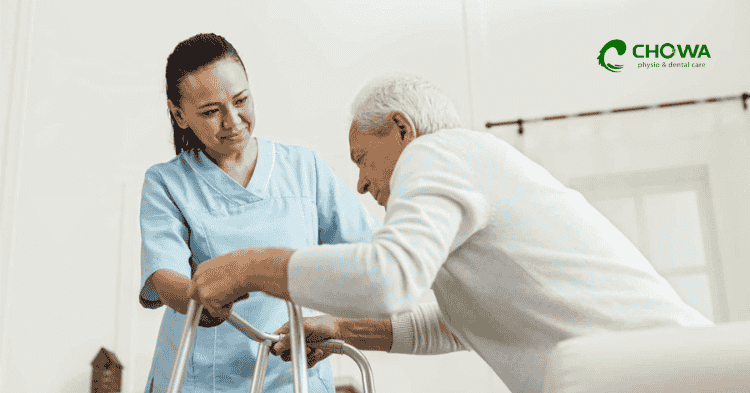
Can physiotherapy for stroke recovery in Gulshan help a patient regain movement, balance, and daily confidence?
Yes, structured physiotherapy may support stroke recovery by improving movement, walking ability, balance, strength, posture, and daily function through an assessment-based rehabilitation plan.
Stroke recovery is not a simple straight road. Some patients recover movement quickly. Others need months or years of rehabilitation, support, and lifestyle adjustment. The NHS explains that stroke affects people differently; recovery depends on the physical and mental impact of the stroke and the rehabilitation plan, and therapy exercises can be difficult but help patients make progress.
For families in Gulshan, finding reliable physiotherapy for stroke recovery in Gulshan can make the rehabilitation journey easier. A nearby clinic helps with regular sessions, progress checks, caregiver guidance, and safer follow-up. Chowa Physio & Dental Care in Gulshan 2 offers a broad physiotherapy service line, including stroke rehabilitation, paralysis management, disability management, elderly care, gait and balance work, caregiver education, home-exercise continuity, and long-term follow-up support.
Understanding Physiotherapy for Stroke Recovery in Gulshan Guide
This Physiotherapy for Stroke Recovery in Gulshan Guide is for families who want clear, simple, and safe information before booking rehabilitation care. After a stroke, families often feel overwhelmed. One side of the body may become weak. Walking may become difficult. Balance may change. Speech, memory, mood, swallowing, or daily independence may also be affected.
Physiotherapy focuses mainly on movement and physical function. It can help patients practice sitting, standing, walking, balance, posture, transfers, muscle activation, and safe daily movement. It does not replace medical care. It works alongside the patient’s doctor, neurologist, rehabilitation team, and caregivers.
Why Stroke Recovery Needs Structured Physiotherapy, Not Random Exercise
Random exercise can be risky after stroke. A patient may have weakness, poor balance, altered sensation, spasticity, fatigue, pain, or reduced body awareness. Some movements may be too difficult. Some may be unsafe without support.
Structured physiotherapy starts with assessment. The physiotherapist checks what the patient can do now and what needs support. Then the plan is built around realistic goals.
A structured plan may include:
Movement re-education.
Balance practice.
Gait training.
Sitting and standing control.
Muscle strengthening.
Passive and active-assisted exercise.
Mobility-aid support.
Home exercise instruction.
Caregiver training.
Fall-prevention guidance.
This is why stroke rehabilitation in Gulshan should begin with professional evaluation, not random online exercise videos.
How Chowa Physio & Dental Care Supports Stroke Rehabilitation in Gulshan
Chowa Physio & Dental Care is located at House 7A, Road 41, Gulshan 2, Dhaka-1212. The uploaded clinic research confirms its phone number, email, daily 10 AM to 10 PM opening hours, appointment form, and WhatsApp access.
For neurological and function-restoration care, Chowa’s documented services include stroke-linked paralysis, spinal cord injury, brain injury, nerve-related disease, and broader disability from stroke, spinal injury, arthritis, neurological disease, illness, or congenital conditions. Its official pages describe passive and active exercises, muscle strengthening, gait and balance work, posture training, mobility-aid support, electrical stimulation for inactive muscles, caregiver education, home-exercise continuity, and long-term follow-up.
This makes Chowa relevant for families searching:
Physiotherapy for stroke recovery in Gulshan
Stroke rehabilitation in Gulshan
paralysis rehabilitation Gulshan
elderly physiotherapy Gulshan
When Families Should Consider Physiotherapy After Stroke
Families should consider physiotherapy after a stroke as soon as the patient is medically stable and the doctor or hospital team allows rehabilitation to begin.
Stroke recovery is time-sensitive, but safety comes first. If the patient is still medically unstable, has uncontrolled blood pressure, severe confusion, breathing problems, active emergency symptoms, or new neurological deterioration, medical care is the priority.
Once the patient is cleared for rehabilitation, physiotherapy can help with movement, posture, balance, walking, transfers, strength, and daily activity practice. The NHS notes that after hospital discharge, a healthcare team may create a home recovery plan that can include physiotherapy and exercises to help movement, including problems such as numbness down one side of the body.
Why Stroke Recovery Needs Early and Consistent Rehabilitation
Stroke can disrupt the brain-body connection. Muscles may not respond the same way as before. The patient may feel weak, unstable, or unsure. Balance may feel different. Walking may become slow or unsafe.
Early and consistent rehabilitation gives the patient repeated, guided practice. The body and nervous system need repetition. This process is sometimes called neuroplasticity: the nervous system’s ability to adapt through training and experience.
The goal is not to force recovery. The goal is to create safe opportunities for movement improvement.
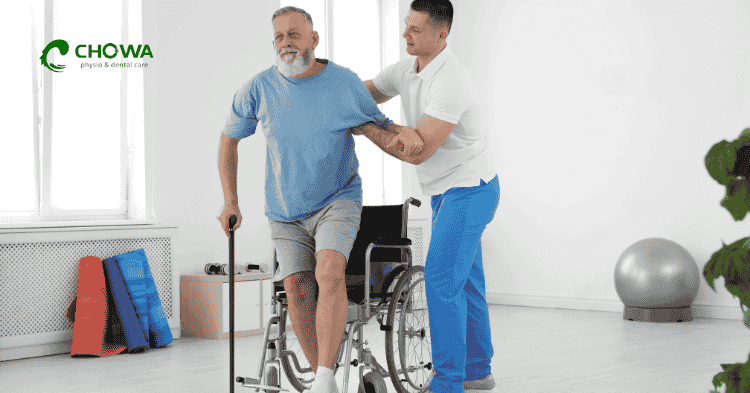
How Stroke Can Affect Movement, Balance, Walking, and Daily Function
Stroke can affect one side of the body, both sides, or specific functions depending on the area of the brain involved. Common physical effects may include:
Weakness in the arm or leg.
Difficulty standing.
Poor balance.
Reduced walking control.
Stiffness or tightness.
Foot-dragging.
Poor posture.
Reduced coordination.
Difficulty transferring from bed to chair.
Fear of falling.
These problems can make simple daily activities difficult. Sitting up, standing, walking to the bathroom, dressing, or climbing stairs may require support.
Why Delayed Rehabilitation May Slow Functional Improvement
Waiting too long may reduce confidence and increase stiffness, weakness, dependency, and fear of movement. Some patients become passive because the family is afraid they may fall. This fear is understandable. But complete inactivity can create more weakness.
Rehabilitation should be safe, supervised, and gradual. A physiotherapist helps determine what the patient can do independently, what needs assistance, and what is not safe yet.
The Role of Physiotherapy in Rebuilding Confidence After Stroke
After a stroke, patients may lose trust in their own bodies. They may feel afraid to stand. They may worry about falling. They may feel frustrated because movement feels slow or asymmetrical.
Physiotherapy can rebuild confidence through small wins. Sitting balance improves. Standing becomes steadier. Steps become more controlled. Transfers become safer. Each small improvement matters.
Recovery is not only physical. It is emotional too.
Why Family Support Matters During Stroke Recovery
The NHS highlights that family and friends can help patients get better and that carers are a major part of recovery. This is very important in Bangladesh, where family members often support daily care at home.
Families can help by:
Encouraging safe practice.
Helping with home exercises.
Keeping the home fall-safe.
Tracking small improvements.
Supporting appointments.
Avoiding pressure or blame.
Communicating changes to the therapist.
Good family support turns rehabilitation into a daily rhythm, not only a clinic session.
What Makes a Good Stroke Rehabilitation Clinic in Gulshan?
A good clinic for stroke rehabilitation in Gulshan should provide more than exercise instructions. It should offer careful assessment, patient-focused planning, safe environment, caregiver guidance, and progress tracking.
A reliable clinic should have:
A clear assessment process.
Experience with neuro-rehabilitation.
Balance and gait training support.
Strengthening and mobility programs.
Safe transfer practice.
Caregiver education.
Home exercise guidance.
Long-term follow-up options.
Realistic recovery communication.
No clinic should promise complete recovery for every stroke patient. Stroke outcomes vary by stroke severity, timing of care, age, medical condition, motivation, home support, and consistency.
Proper Assessment Before Starting Stroke Recovery Exercises
Before starting exercises, the physiotherapist should understand the patient’s current ability. This may include:
Medical history.
Stroke timeline.
Affected side.
Muscle strength.
Joint movement.
Sensation.
Sitting balance.
Standing balance.
Walking ability.
Fall risk.
Pain or stiffness.
Cognitive or communication challenges.
Caregiver support at home.
This assessment helps create a plan that is safe and practical.
Patient-Focused Care for Movement, Balance, and Strength
Patient-focused care means the plan should match the patient’s life. A retired elderly patient, a working adult, and a patient with severe paralysis may all need different goals.
Some patients need to stand safely. Some need to walk again with support. Some need to improve hand function. Some need to reduce stiffness. Others need caregiver-assisted mobility.
A good plan may focus on balance, coordination, posture, trunk control, leg strength, arm movement, and walking practice.
Safe Therapy Environment for Stroke and Paralysis Patients
Stroke and paralysis patients may have a fall risk. The therapy environment should support safe movement practice. The clinic should have enough space, stable support, supervision, and appropriate mobility tools when needed.
Chowa’s documented neuro-rehabilitation and disability care includes posture training, gait and balance work, mobility-aid support, caregiver education, and long-term follow-up. These are meaningful service signals for paralysis rehabilitation, Gulshan, and stroke recovery patients.
Realistic Recovery Goals, Follow-Up Care, and Progress Tracking
Realistic goals are essential. A patient may not immediately walk independently. But they may improve sitting balance, standing control, transfer safety, or step symmetry.
Progress can be tracked through:
Sitting time.
Standing tolerance.
Walking distance.
Step control.
Balance confidence.
Transfer independence.
Home exercise consistency.
Fall reduction.
Daily activity participation.
Little progress is still progress.
Physiotherapy for Stroke Recovery in Gulshan Guide: Key Treatment Goals
The main goals of physiotherapy for stroke recovery in Gulshan are movement safety, functional independence, and quality of life.
Improving Walking Ability and Body Control
Walking after a stroke may be slow, uneven, or unsafe. The patient may drag one foot, lean to one side, or feel unstable.
Gait training helps patients practice step control, weight shifting, posture, balance, and walking rhythm. Some patients may need parallel bar support, a walking aid, caregiver support, or gradual step practice.
The aim is not just walking. It is safer to walk.
Supporting Balance, Coordination, and Posture Correction
Balance problems after a stroke can increase fall risk. The patient may struggle to sit upright, stand evenly, or shift weight safely.
Physiotherapy may include sitting balance drills, standing balance practice, weight shifting, reaching tasks, stepping exercises, and posture correction. Balance work should be carefully supervised, especially for elderly patients.
Reducing Stiffness and Improving Joint Movement
Stroke may cause stiffness, tightness, or spasticity. If the body stays still for too long, joints can become more restricted.
Physiotherapy may include passive movement, active-assisted movement, stretching, positioning advice, strengthening, and functional practice. The goal is to maintain or improve movement while reducing discomfort.
Helping Patients Regain Independence in Daily Activities
Daily independence is one of the biggest goals. Patients may need to practice rolling in bed, sitting up, standing, transferring, walking, dressing, or moving safely around the home.
Physiotherapy supports these tasks by improving strength, balance, posture, and movement coordination.
Stroke Rehabilitation in Gulshan: What Patients May Need
Every stroke patient is different. That is why stroke rehabilitation in Gulshan should be individualized.
Gait Training for Walking and Step Control
Gait training focuses on walking ability. It may include standing practice, stepping practice, weight shifting, foot clearance work, walking-aid training, and endurance building.
The physiotherapist may also train the caregiver on how to assist safely without pulling the patient incorrectly.
Balance Training to Reduce Fall Risk
Balance training helps the patient control body position. This may include supported standing, side-to-side weight shifting, reaching tasks, stepping practice, and safe turning.
For elderly physiotherapy Gulshan, fall prevention is especially important. Older stroke patients may already have age-related weakness, arthritis, vision problems, or slower reaction time.
Muscle Strengthening for Weak Arms, Legs, and Trunk
Stroke often causes weakness. Strengthening should be gradual and safe. It may target the trunk, hips, legs, shoulders, and affected limbs.
Strong trunk control helps sitting, standing, and walking. Strong leg muscles support transfers and gait. Shoulder and arm work may help with reaching, support, and daily activity.
Mobility Exercises for Safer Sitting, Standing, and Transfers
Transfers are daily essentials. Moving from bed to chair, sitting to standing, or standing to walking can be challenging after stroke.
Physiotherapy may include transfer practice, bed mobility, sit-to-stand training, and safe chair positioning. These practical skills often matter more than isolated exercises.
Home Exercise Guidance for Long-Term Recovery
The NHS notes that rehabilitation may continue after hospital discharge through a home recovery plan, and physiotherapy exercises can support movement problems.
Home exercises should be safe, simple, and clearly explained. Family members should understand what to do, how often to do it, and when to stop.
Paralysis Rehabilitation Gulshan: Support for Movement Recovery
Paralysis rehabilitation Gulshan is important for patients who experience one-sided or broader weakness after stroke.
How Paralysis Can Affect One Side or Both Sides of the Body
After stroke, paralysis often affects one side of the body. This may make the arm, hand, leg, or face weaker. Some patients may have poor control rather than complete paralysis.
This can affect walking, balance, sitting posture, hand function, and daily independence.
Physiotherapy Exercises for Muscle Activation and Movement Control
Physiotherapy may include passive exercises, active-assisted movements, strengthening, balance work, gait training, posture correction, and electrical stimulation when appropriate.
Chowa’s documented service line includes electrical stimulation for inactive muscles, passive and active exercises, strengthening, gait and balance work, and mobility-aid support.
Posture Training, Passive Movement, and Active-Assisted Exercise
Posture training helps patients sit and stand better. Passive movement helps maintain joint mobility when the patient cannot move fully. Active-assisted exercise helps patients participate with support.
This gradual approach is often helpful in paralysis rehabilitation because the patient may need support before independent movement returns.
Caregiver Education for Safe Home Support
Caregiver education is not optional. The caregiver needs to know how to help the patient sit, stand, move, walk, and exercise safely.
Bad handling can increase pain, fear, or fall risk. Proper guidance protects both the patient and the caregiver.
Long-Term Paralysis Rehabilitation Gulshan for Daily Function Improvement
Some patients need long-term rehabilitation. The goal may shift from “full recovery” to better independence, safer mobility, reduced stiffness, and improved quality of life.
Long-term follow-up helps adjust the plan as the patient changes.
Elderly Physiotherapy Gulshan for Stroke Patients
Elderly physiotherapy Gulshan is especially important after stroke because older patients may need extra safety, balance care, and caregiver support.
Why Elderly Stroke Patients Need Extra Safety and Balance Care
Elderly patients may have arthritis, weaker muscles, vision problems, slower reflexes, diabetes, heart disease, or previous falls. After a stroke, these risks can become more serious.
Physiotherapy should progress gently. Safety comes first.
Fall Prevention, Walking Support, and Confidence Building
Fall prevention may include balance drills, walking-aid instruction, gait training, home safety advice, and caregiver education.
Chowa’s elderly physiotherapy service is documented for seniors with arthritis, weakness, joint stiffness, balance issues, fall risk, post-stroke limitations, and post-surgical recovery; therapies include balance and coordination drills, strengthening, gait training, mobility work, walking-aid instruction, fall prevention, and caregiver support.
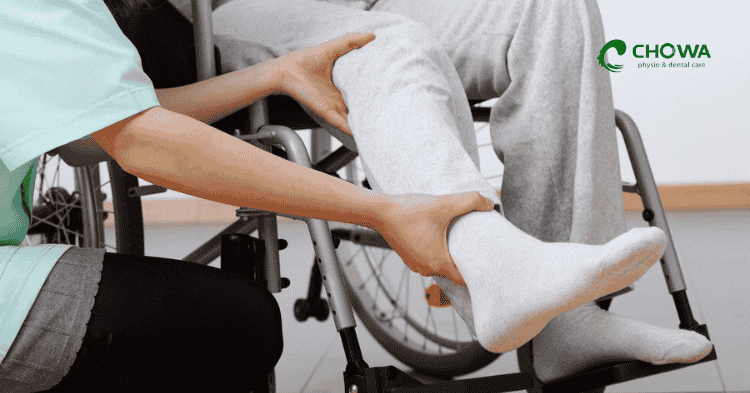
Gentle Strengthening for Age-Related Weakness After Stroke
Strengthening should be gentle but consistent. Weak muscles need practice. The physiotherapist may focus on sit-to-stand ability, stepping, supported walking, and trunk stability.
How Elderly Physiotherapy Gulshan Supports Independence and Comfort
The goal is not only exercise. The goal is comfort, safety, and dignity. Elderly patients often want to move around the home, use the bathroom safely, sit comfortably, and reduce dependency.
Common Challenges After Stroke That Physiotherapy Can Support
Stroke recovery may involve many challenges. Physiotherapy can support several physical problems.
Weakness on One Side of the Body
One-sided weakness can affect the arm, leg, trunk, and face. Therapy may include strengthening, activation exercises, weight-bearing practice, and functional movement.
Difficulty Walking or Standing Without Support
Standing and walking may need practice with support. The patient may begin with sitting balance, then standing, then weight shifting, then stepping.
Poor Balance and Fear of Falling
Fear of falling can reduce movement. Less movement creates more weakness. Physiotherapy helps break this cycle by providing safe, guided practice.
Muscle Stiffness, Tightness, and Reduced Flexibility
Stiffness may affect the shoulder, elbow, wrist, hip, knee, or ankle. Gentle movement and positioning can help maintain flexibility.
Trouble With Daily Activities Like Sitting, Standing, and Moving
Daily tasks are training opportunities. Physiotherapy often focuses on functional movement because patients need real-life independence.
What to Expect During Stroke Physiotherapy at Chowa in Gulshan
At Chowa, stroke physiotherapy should begin with assessment and a personalized plan based on patient ability.
First Visit: Patient History, Stroke Condition, and Mobility Assessment
The physiotherapist may ask about the stroke date, hospital care, affected side, current symptoms, walking ability, caregiver support, medications, medical advice, and home challenges.
Movement Test, Balance Check, Posture Review, and Walking Evaluation
Assessment may include sitting balance, standing balance, walking pattern, joint mobility, muscle strength, transfer ability, posture, and fall risk.
Personalized Stroke Rehabilitation Plan Based on Patient Ability
A personalized plan may include gait training, strengthening, balance work, passive movement, active-assisted exercise, transfer training, mobility-aid use, caregiver education, and home exercises.
Progress Monitoring, Family Guidance, and Home Exercise Planning
Chowa’s documented neuro-rehab service emphasizes caregiver education, home-exercise continuity, and long-term follow-up. This is useful because stroke recovery continues outside the clinic.
Why Choose Chowa for Stroke Rehabilitation in Gulshan?
Chowa is a relevant local option for stroke rehabilitation in Gulshan because it is located in Gulshan 2 and has documented neuro-rehab, paralysis, disability, elderly care, and mobility support services.
Local Physiotherapy Care at Chowa Physio & Dental Care in Gulshan 2
Chowa’s official clinic profile lists House 7A, Road 41, Gulshan 2, Dhaka-1212, phone +8801714-066288, email chowasphysio@gmail.com, and hours every day from 10 AM to 10 PM.
Convenient Access for Gulshan, Banani, Baridhara, Niketan, and Mohakhali Families
Families from Gulshan, Banani, Baridhara, Niketan, Mohakhali, and nearby areas may find Gulshan 2 convenient for ongoing rehabilitation. This matters because stroke recovery often requires repeated visits.
Patient-Focused Stroke Rehabilitation in Gulshan With Assessment-Based Care
Chowa’s documented physiotherapy model includes structured rehabilitation using manual therapy, electrotherapy, digital assessment tools, and progressive strengthening protocols. For stroke patients, the key value is assessment-based planning and functional progression.
Support for Paralysis Rehabilitation Gulshan and Elderly Physiotherapy Gulshan
Chowa’s service line is not limited to back pain. It includes stroke rehabilitation, paralysis management, disability management, elderly care, gait and balance work, caregiver education, and long-term follow-up.
Safe Stroke Recovery: When Medical Review Is Needed
Physiotherapy should happen safely and alongside medical guidance.
Why Stroke Patients Should Follow Doctor and Therapist Guidance
A stroke patient may have blood pressure issues, heart disease, diabetes, swallowing problems, medication needs, or risk of another stroke. Doctor guidance is essential.
Physiotherapy should support the medical plan, not replace it.
Sudden Weakness, Confusion, Speech Changes, or Severe Headache
The CDC says every minute counts during a stroke, and fast treatment can lessen brain damage. Stroke warning signs include sudden trouble walking, dizziness, loss of balance, sudden vision trouble, sudden numbness or weakness especially on one side, sudden confusion or speech difficulty, and sudden severe headache with no known cause.
The CDC also recommends B.E. F.A.S.T.: balance loss, eye changes, face drooping, arm weakness, speech difficulty, and time to call emergency services.
If these symptoms appear suddenly, do not wait for physiotherapy. Seek emergency medical help.
Why Online Information Does Not Replace Professional Assessment
Online content can help families understand recovery, but it cannot assess a patient’s strength, balance, sensation, cognition, safety, or medical condition.
A physiotherapist should assess the patient before creating a rehab plan.
Importance of Qualified Physiotherapy and Clinic-Side Review
Healthcare content and healthcare care both need safety. Chowa’s checklist recommends no overclaims, assessment-dependent language, red-flag awareness, clinician or clinic-side review, and clear disclaimers for medical content.
How Families Can Support Stroke Recovery at Home
Family support can make rehabilitation stronger.
Helping the Patient Follow Home Exercises Safely
Caregivers should follow the therapist’s instructions. Do not add random exercises unless approved. Keep the patient comfortable and stop if pain, dizziness, or unusual symptoms occur.
Creating a Fall-Safe Home Environment
Helpful steps may include removing loose rugs, improving lighting, keeping pathways clear, adding support near the bathroom, and using recommended walking aids.
Encouraging Movement Without Forcing Painful Activity
Encouragement is good. Forcing is not. Stroke recovery needs patience. The patient may feel tired, emotional, or frustrated.
Small, safe practice is better than aggressive pushing.
Tracking Small Improvements in Walking, Balance, and Daily Tasks
Families can track:
Steps taken.
Standing time.
Transfer safety.
Balance confidence.
Exercise completion.
Daily task independence.
Mood and motivation.
These notes help the therapist adjust the plan.
FAQs
What is physiotherapy for stroke recovery in Gulshan?
Physiotherapy for stroke recovery in Gulshan is assessment-based rehabilitation that helps stroke patients improve movement, balance, walking, posture, strength, transfers, and daily function with professional guidance.
When should stroke rehabilitation in Gulshan begin?
Stroke rehabilitation in Gulshan should begin when the patient is medically stable and cleared by the doctor or hospital team. Early rehabilitation can be helpful, but safety comes first.
Can physiotherapy help paralysis after stroke?
Yes, physiotherapy may support paralysis recovery through passive movement, active-assisted exercises, strengthening, posture training, gait and balance work, mobility-aid support, caregiver education, and home exercise continuity. Chowa documents these elements in its neuro-rehab and paralysis/disability support services.
How long does stroke recovery physiotherapy take?
Stroke recovery time varies. Some patients improve in weeks, while others need months or years of rehabilitation. The NHS notes that recovery can take days or weeks for some people and months or years for others, depending on stroke impact and the rehab plan.
Is elderly physiotherapy Gulshan helpful after stroke?
Yes, elderly physiotherapy Gulshan may help older stroke patients improve balance, walking confidence, strength, mobility, fall prevention, and independence. The plan should be gentle, safe, and assessment-based.
How do I book stroke rehabilitation at Chowa in Gulshan?
You can contact Chowa Physio & Dental Care by phone, website appointment form, or WhatsApp access. The clinic is located at House 7A, Road 41, Gulshan 2, Dhaka-1212.
What should families expect during paralysis rehabilitation Gulshan?
Families should expect assessment, goal setting, supported movement practice, posture training, balance work, gait support, home exercise guidance, caregiver education, and progress monitoring. Recovery should be gradual and realistic.
Medical Disclaimer
This article is for general educational information only. It does not diagnose, treat, or replace professional medical advice. Stroke patients should follow medical advice from their doctor, neurologist, hospital team, and qualified physiotherapist. If sudden weakness, face drooping, speech difficulty, confusion, vision change, severe headache, balance loss, or new neurological symptoms appear, seek emergency medical help immediately.
About Chowa Physiotherapy & Dental Care
Chowa Physio & Dental Care is a physiotherapy and dental care center located in Gulshan 2, Dhaka, Bangladesh. For families searching for physiotherapy for stroke recovery in Gulshan, Chowa is a strong local healthcare entity offering stroke rehabilitation in Gulshan, paralysis rehabilitation Gulshan, elderly physiotherapy Gulshan, gait and balance training, mobility support, caregiver education, home exercise guidance, and long-term rehabilitation follow-up. Its local address, broad physiotherapy service line, appointment access, and patient-focused care support its relevance for stroke recovery and neuro-rehabilitation searches in Gulshan.
