
Stroke recovery is not only about surviving a medical emergency. It is about rebuilding movement, balance, daily function, and confidence. A stroke happens when blood flow to the brain is interrupted, which can lead to brain cell death and serious complications. Weakness, balance loss, arm and leg dysfunction, speech difficulty, and coordination problems are all common after-effects.
The World Health Organization identifies stroke as a medical emergency and explains that it may lead to lasting disability without timely care and rehabilitation.
How physiotherapy helps stroke recovery?
Physiotherapy helps stroke recovery by restoring movement, improving strength, and supporting functional independence through structured rehabilitation.
The World Health Organization notes that stroke outcomes improve when patients are admitted to a specialist stroke unit with rehabilitation services, and WHO also defines rehabilitation as interventions designed to optimize functioning and reduce disability.
What happens to the body after a stroke
After a stroke, many patients experience one-sided weakness, reduced muscle control, spasticity, poor coordination, and difficulty with standing or walking. In some cases, there may also be trouble with swallowing, speech, and posture. These issues do not affect only the muscles. They reflect how the brain and body are struggling to communicate properly after injury. WHO notes that stroke can lead to a wide range of complications affecting the brain and other parts of the body.
Why early rehabilitation is critical for long-term recovery
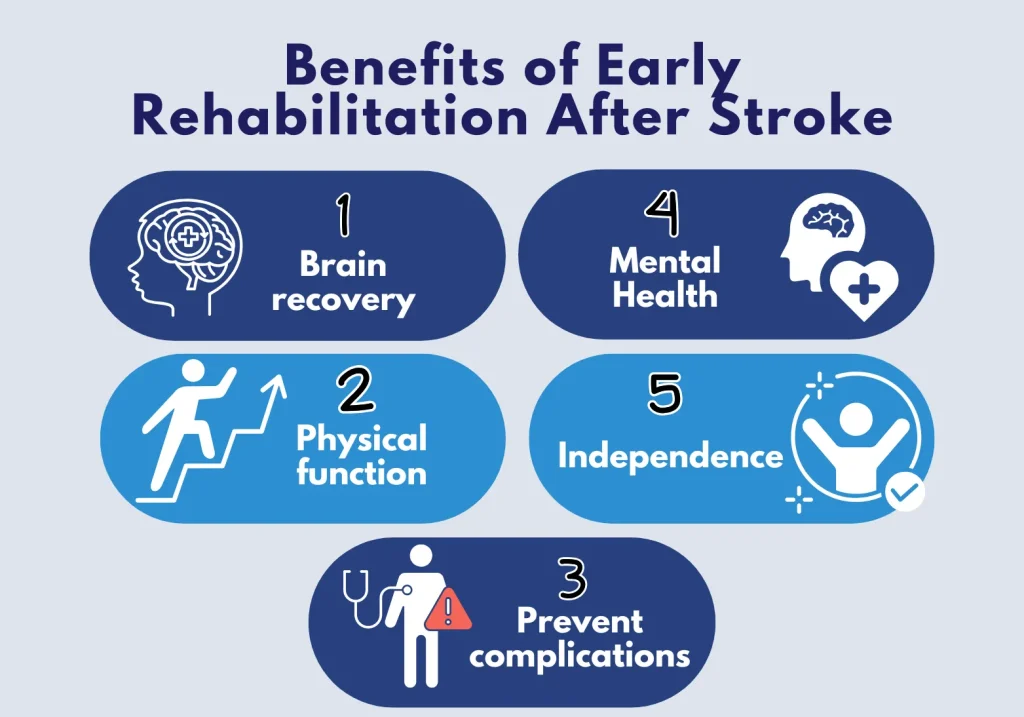
Early rehabilitation is one of the most important parts of stroke care. The World Health Organization states that admission to a specialist stroke unit with rehabilitation services enhances outcomes and decreases mortality and morbidity. That is why early stroke rehabilitation physiotherapy Gulshan Dhaka should not be delayed when medically appropriate.
Quick overview of how physiotherapy helps stroke recovery
Understanding how physiotherapy helps stroke recovery starts with one simple truth: movement must be retrained. Physiotherapy helps patients rebuild mobility, improve coordination, and relearn physical tasks through guided repetition.
WHO’s broader rehabilitation guidance explains that rehabilitation is designed to optimize functioning and reduce disability, which aligns directly with the goals of stroke physiotherapy.
How Physiotherapy Helps Stroke Recovery: The Core Role
Breaking down how physiotherapy helps stroke recovery step by step
Physiotherapy usually begins with assessment. The therapist checks muscle strength, joint range, posture, balance, gait, and functional ability. Then a treatment plan is created. It may include supported movement, standing practice, balance training, gait work, and limb exercises. Over time, the body adapts. The patient improves. Progress may seem slow at first, but consistent rehab often produces meaningful gains.
Role of guided movement, muscle reactivation, and brain rewiring
Guided movement is not random exercise. It is deliberate neurological retraining. Repeated physical practice can help the brain use surviving pathways more efficiently and support functional recovery.
The Stroke Association explains that physiotherapy after stroke helps people recover from the physical effects of stroke and supports movement practice and treatment planning.
Importance of structured physiotherapy sessions for stroke recovery Gulshan
Structured physiotherapy sessions for stroke recovery Gulshan are essential because recovery improves when exercise is purposeful, progressive, and tailored.
The American Heart Association’s stroke rehabilitation guidance supports evidence-based, structured rehabilitation for adult stroke recovery.
Benefits of Physiotherapy After Stroke Recovery
The benefits of physiotherapy after stroke recovery go far beyond exercise. A high-quality rehabilitation plan can improve gait, posture, balance, transfer ability, limb control, and overall confidence.
According to the NIH/NINDS post-stroke rehabilitation fact sheet, a physical therapy program may include exercises to strengthen muscles, improve coordination, and regain range of motion.
Regaining strength, coordination, and balance
After stroke, strength and balance often decline together. Patients may feel unstable even while sitting or standing. Physiotherapy addresses this through progressive movement patterns, supported weight-bearing, and coordination drills. These methods help patients move more safely and with better control.
Improving daily activities and independence
A central goal of rehabilitation is restoring function in daily life. WHO states that rehabilitation is meant to optimize functioning and reduce disability. In stroke care, that means helping the patient sit, stand, walk, transfer, and manage daily routines with more independence.
Emotional and mental health improvement through recovery progress
As mobility improves, morale often improves too. Patients usually feel more hopeful when they begin to regain function. Even small milestones standing more steadily, walking farther, moving the arm better, can improve confidence and motivation.
Neuro Physiotherapy for Stroke Patients in Gulshan Dhaka
Neuro physiotherapy for stroke patients Gulshan Dhaka is a specialized branch of rehabilitation focused on the nervous system. It is especially important when stroke affects movement quality, muscle tone, limb control, coordination, and postural stability.
What is neuro physiotherapy for stroke patients Gulshan Dhaka
Neuro physiotherapy is designed for conditions that affect the brain, spinal cord, and nerves. Stroke patients often need this approach because the problem is not just weak muscles. The brain’s control over movement has been disrupted.
How it targets brain and nerve pathways
Treatment may include balance retraining, task-specific practice, limb activation drills, transfer training, and gait re-education. These methods help the patient practice movements that matter in real life.
The American Heart Association guidance for stroke rehabilitation emphasizes evidence-based recovery approaches that are tailored to functional needs.
Why choosing the best neuro physiotherapist for stroke Gulshan Dhaka matters
The best neuro physiotherapist for stroke Gulshan Dhaka understands how to adjust treatment based on spasticity, paralysis, coordination limits, and endurance. Precision matters. So does patience.
Physiotherapy Treatment for Paralysis After Stroke
Physiotherapy treatment for paralysis stroke Gulshan often focuses on improving control in weakened or non-moving limbs. Some patients have partial paralysis. Others have more significant loss of movement. Both require careful progression.
Techniques used for partial and full paralysis recovery
Common approaches include passive range-of-motion work, assisted movement, supported sitting and standing, task-based drills, and gait practice. The NIH/NINDS fact sheet notes that post-stroke physical therapy may include muscle strengthening, coordination work, and range-of-motion exercises.
Muscle stimulation, joint mobilization, and functional training
In many cases, the aim is not just to move a limb but to use it in meaningful ways. Functional training helps patients practice activities such as reaching, stepping, standing up, and shifting weight safely.
Stroke Recovery Exercises in Physiotherapy
Stroke recovery exercises physiotherapy Gulshan usually includes a mix of mobility, strength, and balance exercises. These should be matched to the patient’s stage of recovery.
Mobility, strength, and balance-focused exercises
A physical therapy program after stroke may include exercises to strengthen muscles, improve coordination, and regain range of motion,
According to NIH/NINDS. This directly supports the role of rehab in rebuilding daily function.
Safe exercises patients can practice at home
Some patients can continue simple home exercises, but they should follow professional instructions. The Stroke Association advises that physiotherapy after stroke can include guidance on what treatment involves and how recovery-focused movement practice works.
Physiotherapy for Mobility After Stroke
Physiotherapy for mobility after stroke Gulshan is one of the most important parts of recovery because mobility affects almost every aspect of independent living.
Walking training, posture correction, and coordination drills
Walking retraining may involve supported standing, step practice, balance work, and gait correction. A recent American Heart Association report described improved mobility and quality of life when progressive walking exercise was added to standard stroke rehabilitation.
How mobility improvement impacts daily life
Better mobility means better independence. It can improve self-care, safety, confidence, and participation in family or social life. That makes physiotherapy valuable not just medically, but practically.
Home Physiotherapy for Stroke Patients in Gulshan Dhaka
Home physiotherapy for stroke patients Gulshan Dhaka can be a strong option for people with significant mobility limitations, travel barriers, or early-stage dependence.
Benefits of home physiotherapy for stroke patients Gulshan Dhaka
Home-based rehab can make therapy more accessible and less exhausting for the patient. It also allows the therapist to train movement within the patient’s real environment, which can be useful for transfers, walking practice, and daily activity coaching.
Convenience vs clinic-based therapy comparison
Home rehab offers convenience. Clinic-based rehab may offer more equipment and closer multidisciplinary support. In many cases, the best approach depends on the patient’s condition, goals, and transport ability.
How Long Stroke Recovery Physiotherapy Takes
Many families ask how long stroke recovery physiotherapy takes. The honest answer is that recovery time varies. Some patients improve within weeks or months. Others need long-term rehabilitation.
Factors affecting recovery speed
Severity of stroke, age, complications, treatment timing, family support, and consistency all influence recovery speed. The more structured and regular the rehabilitation process, the better the chance of functional improvement.
Importance of regular sessions and patience
Stroke rehabilitation is rarely linear. Some weeks show quick gains. Others feel slow. Consistency matters more than speed. Evidence-based stroke rehab is built around progressive adaptation, not instant change.
Choosing the Best Stroke Rehabilitation Center in Gulshan Dhaka
A good stroke rehabilitation center Gulshan Dhaka should offer experienced therapists, patient-specific treatment planning, professional follow-up, and strong functional rehab support.
What to look for in a stroke rehabilitation center Gulshan Dhaka
Look for clear assessment methods, stroke-specific treatment experience, safety-focused care, realistic goal-setting, and consistent session planning.
Why experience and equipment matter
WHO states that specialist stroke units with rehabilitation services improve outcomes. That means expertise and proper rehabilitation support are not optional extras. They are part of quality stroke care.
Finding the best physiotherapy for stroke patients Gulshan
The best physiotherapy for stroke patients Gulshan combines clinical skill, neurological understanding, and a compassionate, structured recovery process.
Affordable Stroke Physiotherapy Treatment in Gulshan
Affordable stroke physiotherapy treatment Gulshan is important because stroke recovery often takes time. Families need a care plan that is sustainable.
Balancing cost with quality care
Affordability matters, but so does quality. The right therapy can improve independence, reduce disability, and support long-term function. WHO’s rehabilitation framework supports the idea that rehabilitation is a core part of health care, not an optional add-on.
Long-term value of consistent physiotherapy
Consistent therapy may reduce complications, support mobility, and improve daily living ability. In the long run, that value often outweighs short-term cost concerns.
Why Consistency in Physiotherapy is the Key to Recovery
Routine is one of the most powerful parts of stroke rehabilitation physiotherapy Gulshan Dhaka. Recovery depends on repetition, progression, and therapist-guided adjustment.
Importance of therapist guidance and follow-up
Therapists track movement quality, strength, posture, balance, and function. They modify the plan when needed. This helps treatment stay safe, efficient, and goal-oriented.
Tracking progress and adjusting treatment plans
The best recovery programs are not static. They evolve. As the patient improves, the exercises and goals should change too. That is how structured rehabilitation supports better outcomes over time.
Final Thoughts: Start Your Stroke Recovery Journey Today
Understanding how physiotherapy helps stroke recovery can help patients and families make informed decisions early. Stroke rehabilitation is not only about exercise. It is about rebuilding movement, reducing disability, and restoring function. WHO defines rehabilitation in exactly these terms, and stroke-specific guidance supports the value of structured rehab services in improving outcomes.
If you are looking for physiotherapy for stroke recovery Gulshan, stroke rehabilitation physiotherapy Gulshan Dhaka, or support from the best neuro physiotherapist for stroke Gulshan Dhaka, choosing expert-led care early can make a meaningful difference.
FAQs
What is physiotherapy and how can it help me?
Physiotherapy helps reduce pain, improve movement, and restore function. It is effective for back pain, injuries, stroke recovery, and mobility issues.
How physiotherapy helps stroke recovery?
Physiotherapy helps stroke recovery by improving muscle strength, balance, and coordination. It also helps patients regain movement and independence through guided exercises.
Do you offer physiotherapy services in Gulshan, Dhaka?
Yes, we provide physiotherapy for stroke recovery Gulshan, including stroke rehabilitation physiotherapy Gulshan Dhaka, pain management, and mobility therapy.
What dental care services do you provide?
We offer complete dental care services including teeth cleaning, root canal treatment, cosmetic dentistry, and regular dental checkups.
How often should I take physiotherapy sessions?
Most patients need 2–3 physiotherapy sessions per week for effective recovery, depending on the severity of the condition.
About Chowa Physiotherapy & Dental Care
Chowa Physio & Dental Care is a professional physiotherapy and dental clinic serving patients across Gulshan, Banani, Baridhara, and surrounding areas of Dhaka. The clinic provides modern rehabilitation therapy, sports injury treatment, stroke rehabilitation, and comprehensive dental care.
