

Are you looking for plantar fasciitis treatment Dhaka because your heel hurts during the first steps in the morning?
Plantar fasciitis treatment Dhaka may help when heel pain, foot arch pain, or walking discomfort is linked with plantar fascia irritation and repeated pressure on the foot.
Heel pain can feel small at first. A sharp pull under the foot. A stabbing feeling near the heel. A painful first step after getting out of bed. Then it starts affecting your walk, work, exercise, prayer posture, standing time, and daily movement.
For office workers, runners, teachers, older adults, active professionals, and people who stand or walk for long hours in Dhaka, plantar fasciitis can become a frustrating problem. The good news is that early assessment, guided exercise, footwear advice, load management, and plantar fasciitis physiotherapy Dhaka may support better foot comfort and safer walking.
This guide explains plantar fasciitis, heel pain treatment in Dhaka, morning heel pain treatment Dhaka, non surgical plantar fasciitis treatment Dhaka, plantar fasciitis exercises Dhaka, plantar fasciitis treatment cost Dhaka, and when to visit a physiotherapist for plantar fasciitis Dhaka.
What Is Plantar Fasciitis?
Plantar fasciitis is a common cause of heel pain. It happens when the plantar fascia, a strong band of tissue under the foot, becomes irritated or overloaded. This tissue connects the heel area to the front of the foot and helps support the foot arch during walking.
In simple words, plantar fasciitis is pain from strain or irritation under the heel and foot arch.
The pain is often felt near the bottom of the heel. It can be sharp, stabbing, tight, or burning. Many people feel the worst pain during the first few steps after waking up. Pain may also return after long standing, walking, running, or getting up after sitting for a long time.
This is why many patients search for plantar fasciitis treatment Dhaka when heel pain starts affecting daily movement.
Simple Meaning of Plantar Fasciitis for Heel Pain Sufferers
Plantar fasciitis means the bottom band of the foot is irritated. This band works like a natural support bridge for your foot. When it receives too much stress, tiny tissue irritation may occur. The result is heel pain, arch tightness, and walking discomfort.
You may feel pain when:
- Getting out of bed
- Standing after sitting
- Walking for a long time
- Wearing unsupportive shoes
- Running or exercising
- Standing at work
- Walking barefoot on hard floors
Not every heel pain is plantar fasciitis. Heel pain may also come from heel spur irritation, Achilles tendon problems, nerve pain, fat pad issues, arthritis, injury, or other medical causes. This is why heel pain treatment in Dhaka should start with proper assessment.
How the Plantar Fascia Supports the Foot Arch During Walking
The plantar fascia helps support the arch of the foot and absorbs stress during walking. Every step creates force through the heel, arch, and toes. The plantar fascia helps distribute this load.
When this tissue becomes overloaded, the body may respond with pain and stiffness. The problem can become a repeated nociceptive cycle: stress, irritation, pain, changed walking, and more stress.
This is why plantar fasciitis physiotherapy Dhaka may include more than only heel massage. A physiotherapist may assess foot posture, ankle movement, calf tightness, walking pattern, footwear, activity level, and body mechanics.
Why Heel Pain Treatment in Dhaka Should Start With Proper Assessment
Heel pain treatment in Dhaka should start with proper assessment because the same symptom can have different causes. One person may have plantar fasciitis from tight calf muscles. Another may have heel pain from poor footwear. Another may have foot arch pain due to altered walking pattern or high activity load.
A physiotherapy assessment may check:
- Pain location
- Morning pain pattern
- Walking habit
- Foot arch position
- Ankle mobility
- Calf flexibility
- Foot strength
- Footwear type
- Standing or running routine
- Previous injury history
Assessment helps decide whether heel pain physiotherapy Dhaka, footwear advice, activity modification, stretching, strengthening, or medical referral may be needed.
Difference Between Normal Foot Tiredness and Plantar Fasciitis Symptoms
Normal foot tiredness usually improves after rest. It may happen after a long day, extra walking, or standing for many hours. The discomfort is often general and temporary.
Plantar fasciitis symptoms are often more specific. The pain is commonly under the heel or along the arch. It may be worst during the first few steps in the morning or after rest. It may improve slightly with movement, then return after too much activity.
Possible plantar fasciitis signs include:
- Sharp heel pain when waking up
- Pain under the heel after standing
- Foot arch tightness
- Pain after sitting for a long time
- Limping during first steps
- Pain that returns after walking or running
When these signs repeat, plantar fasciitis treatment Dhaka becomes important.
Why People Search for Plantar Fasciitis Treatment Dhaka
People search for plantar fasciitis treatment Dhaka because heel pain can affect every step. Unlike some pains that appear only during heavy activity, plantar fasciitis can disturb simple daily movement.
It can affect:
- Walking to work
- Standing during office hours
- Exercise routine
- Running or sports
- Prayer posture
- Stair use
- Household work
- Travel and commuting
- Sleep quality if pain is severe
Many people try home remedies first. Rest, ice, stretching, shoe changes, and heel pads may help some cases. NHS guidance suggests resting when possible, using ice, wearing shoes with cushioned heels and good arch support, using insoles or heel pads, and trying gentle stretching exercises.
But if pain keeps returning, a professional assessment is safer.
Morning Heel Pain After the First Few Steps
Morning heel pain is one of the most common plantar fasciitis complaints. The plantar fascia and calf area can become stiff overnight. When you stand up suddenly, the first steps stretch the irritated tissue. That is why pain may feel sharp in the morning.
Morning heel pain treatment Dhaka may include:
- Gentle foot movement before standing
- Plantar fascia stretching
- Calf stretching
- Footwear support
- Activity modification
- Physiotherapy assessment
- Load management
If first-step pain continues for weeks, do not ignore it.
Heel Pain After Standing, Walking, or Running
Heel pain after standing, walking, or running may happen when the plantar fascia receives more load than it can tolerate. Long standing, sudden increase in walking, running on hard surfaces, poor shoes, weight changes, and tight calf muscles may all contribute.
This is common among office workers who stand during events, runners who increase distance suddenly, and people who walk long distances in unsupportive footwear.
The best plantar fasciitis treatment Dhaka should not only reduce pain. It should also find out why the heel is overloaded.
Foot Arch Pain That Affects Daily Movement
Foot arch pain may appear with plantar fasciitis because the plantar fascia runs along the bottom of the foot. Some people feel pain more toward the heel. Others feel tightness along the arch.
Foot arch pain treatment Dhaka may include arch support advice, foot strengthening, footwear review, calf mobility, ankle movement assessment, and walking pattern correction.
The arch does not work alone. It works with the ankle, calf, knee, hip, and whole body alignment. That is why physiotherapy can be useful for persistent arch pain.
Why Early Plantar Fasciitis Treatment Dhaka May Prevent Long-Term Discomfort
Early plantar fasciitis treatment Dhaka may help reduce the chance of pain becoming chronic. When heel pain continues, people often change the way they walk. They may avoid putting pressure on the heel. This altered gait can stress the ankle, knee, hip, or lower back.
Ignoring pain can also create a fear-movement pattern. The person walks less, becomes weaker, and then the foot becomes less tolerant to activity.
Early care may support better load management, safer walking, and gradual return to normal activities.
Common Symptoms of Plantar Fasciitis
Common symptoms of plantar fasciitis include:
- Sharp heel pain when getting out of bed
- Pain under the heel after long standing
- Pain after sitting and then standing
- Foot arch tightness
- Heel stiffness
- Pain after running or long walking
- Limping during first steps
- Pain that improves slightly then returns later
Mayo Clinic describes plantar fasciitis pain as often stabbing near the bottom of the foot close to the heel, and often worst with the first steps after awakening.
If the pain becomes long-lasting, chronic heel pain treatment Dhaka may be needed.
Sharp Heel Pain When Getting Out of Bed
Sharp heel pain when getting out of bed is a classic reason people look for morning heel pain treatment Dhaka. This pain can feel intense, even if it improves after walking for a few minutes.
The goal of care is to reduce tissue irritation and improve foot tolerance. This may include stretching, strengthening, footwear modification, and physiotherapy guidance.
Pain Under the Heel After Long Standing
Pain under the heel after long standing can happen when the plantar fascia is overloaded. People who work in offices, hospitals, shops, schools, events, or service roles may experience this.
Heel pain physiotherapy Dhaka may help by assessing how the foot handles pressure. The physiotherapist may look at standing posture, calf tightness, foot strength, and shoe support.
Foot Arch Tightness During Walking
Foot arch tightness during walking may feel like the bottom of the foot is pulling. This can be related to plantar fascia stiffness, poor arch support, or overuse.
Foot arch pain treatment Dhaka should consider both symptoms and movement patterns. Sometimes a small footwear change helps. Sometimes strengthening and mobility work are needed.
Heel Stiffness After Sitting for a Long Time
Heel stiffness after sitting is also common. When the foot rests, tissues can stiffen. When you stand again, the plantar fascia receives sudden load.
Gentle movement before standing may help some people. But if stiffness keeps returning, plantar fasciitis physiotherapy in Dhaka can guide a more complete plan.
Morning Heel Pain Treatment Dhaka
Morning heel pain treatment Dhaka should focus on reducing first-step pain and improving tissue flexibility. This may include gentle stretching before getting out of bed, supportive footwear, activity modification, and physiotherapy exercises.
A safe morning routine may include:
- Move the ankle up and down slowly
- Gently stretch the calf
- Avoid jumping out of bed quickly
- Wear supportive slippers instead of walking barefoot
- Start with slow steps
- Avoid sudden heavy walking early in the morning
These tips are general. The right plan depends on assessment.

Why Plantar Fasciitis Often Hurts Most in the Morning
Plantar fasciitis often hurts most in the morning because the plantar fascia can tighten overnight. When body weight suddenly loads the foot, irritated tissue may feel sharp pain.
Night splints are sometimes used because they keep the plantar fascia and Achilles tendon in a lengthened position during sleep. Mayo Clinic and AAOS both mention night splints as a treatment option that may help with morning symptoms.
Night splints are not for everyone, so they should be recommended according to the patient’s condition.
Heel Pain Treatment in Dhaka
Heel pain treatment in Dhaka should not be generic. The first step is to identify the likely cause. Plantar fasciitis is common, but not the only cause.
Common causes of heel pain include:
- Plantar fasciitis
- Heel spur irritation
- Achilles tendon problems
- Fat pad irritation
- Nerve-related pain
- Stress fracture
- Arthritis
- Footwear-related pressure
- Overuse injury
If heel pain is severe, swollen, linked with trauma, or makes weight-bearing difficult, medical evaluation is important.
Difference Between Plantar Fasciitis, Heel Spur Pain, and Achilles-Related Pain
Plantar fasciitis usually causes pain under the heel or along the arch. Heel spurs are bony growths that may appear on imaging, but not every heel spur causes pain. Achilles-related pain is usually felt behind the heel or above it near the tendon.
Heel spur physiotherapy Dhaka may focus on pain control, mobility, load management, footwear advice, and walking mechanics. But imaging findings should always be matched with symptoms. A heel spur seen on X-ray does not automatically mean it is the main pain source.
Plantar Fasciitis Physiotherapy Dhaka
Plantar fasciitis physiotherapy Dhaka may support pain control, walking comfort, tissue flexibility, and foot strength. A physiotherapist may assess the foot, ankle, calf, knee, hip, and walking pattern.
Treatment may include:
- Plantar fascia stretching
- Calf stretching
- Foot strengthening
- Ankle mobility work
- Load management
- Footwear advice
- Taping where appropriate
- Soft tissue care
- Walking pattern education
- Home exercise guidance
Mayo Clinic notes that physical therapy may include exercises to stretch the plantar fascia and Achilles tendon and strengthen lower leg muscles, and that a therapist may teach taping to support the bottom of the foot. [4]
Why Physiotherapy Should Be Based on Symptom Severity and Clinical Findings
Physiotherapy should be based on assessment because plantar fasciitis can vary. Mild morning pain is different from chronic heel pain that changes walking. A runner’s foot problem is different from an older adult’s foot pain. A flat foot pattern is different from a high arch pattern.
Clinical findings help decide exercise type, intensity, frequency, footwear needs, and follow-up plan.
How Early Care May Support Safer Walking and Standing
Early care may support safer walking by reducing pain triggers, improving mobility, and helping the foot tolerate load gradually. Standing and walking should not be avoided forever. The body needs appropriate loading. But the load must be managed.
This is sometimes called graded exposure or load titration. It means returning to activity step by step, without pushing the tissue too hard too fast.
Heel Pain Physiotherapy Dhaka
Heel pain physiotherapy Dhaka may reduce repeated foot strain by addressing soft tissue irritation, mobility restriction, weakness, and poor load distribution.
A physiotherapy plan may include stretching for the plantar fascia and calf muscles, strengthening of foot muscles, ankle stability work, balance training, and footwear education.
Tight calf muscles can increase stress on the heel and plantar fascia. Weak foot muscles may reduce arch control. Poor shoes may fail to cushion the heel. These factors can combine and create persistent pain.
Soft Tissue Care, Mobility Work, Stretching, Strengthening, and Load Management
A complete plan may include several layers:
- Soft tissue care to reduce local tension
- Mobility work for ankle and foot movement
- Stretching for calf and plantar fascia
- Strengthening for foot and lower leg support
- Load management for walking, standing, and running
- Footwear advice for daily comfort
- Home exercise progression
No single method works for every person. The best plantar fasciitis treatment Dhaka should be personalized.
Physiotherapist for Plantar Fasciitis Dhaka
You may need a physiotherapist for plantar fasciitis Dhaka if heel pain keeps returning, morning pain continues, foot arch pain affects walking, or home care does not help.
A physiotherapist may check:
- Pain history
- Morning symptoms
- Foot posture
- Walking habits
- Footwear
- Calf flexibility
- Ankle mobility
- Foot strength
- Activity load
- Work routine
Personalized guidance is safer than random online exercises because the wrong exercise can irritate symptoms if done too aggressively.
Non Surgical Plantar Fasciitis Treatment Dhaka
Non surgical plantar fasciitis treatment Dhaka is often considered first, especially for many mild to moderate cases. Conservative care may include rest from aggravating activities, footwear advice, stretching, strengthening, physiotherapy, ice, heel pads, taping, and gradual activity modification. [2]
Most cases do not start with surgery. The goal is to reduce pain, improve load tolerance, and support tissue recovery.
However, if pain is severe, persistent, or unusual, doctor referral or further investigation may be needed.
Activity Modification, Footwear Advice, Stretching, Strengthening, and Physiotherapy
Activity modification means reducing tasks that worsen pain while keeping safe movement. For example, running may be reduced temporarily, but low-impact activity may continue if comfortable.
Footwear advice is important. Shoes with cushioned heels and good arch support may reduce stress. Walking barefoot on hard floors may increase pain for some people.
Stretching and strengthening should be done correctly. NICE guidance recommends plantar fascia and gastrocnemius muscle stretching exercises regularly for several weeks as part of management. [5]
Plantar Fasciitis Exercises Dhaka
Plantar fasciitis exercises Dhaka should match the patient’s condition. Exercises may include gentle plantar fascia stretching, calf stretching, ankle mobility work, and foot strengthening.
Common exercise categories include:
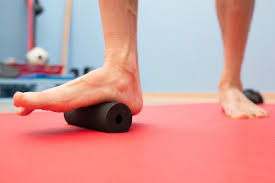
- Plantar fascia stretch
- Calf stretch
- Toe mobility
- Towel curls
- Short foot exercise
- Heel raises
- Ankle mobility
- Balance work
Exercises should not create sharp pain. Mild stretch is different from aggressive pain. If symptoms worsen, stop and consult a professional.
Gentle Plantar Fascia Stretching
Plantar fascia stretching may help improve flexibility and reduce first-step discomfort. It is often done by gently pulling the toes upward to stretch the bottom of the foot.
This should be done slowly. Fast or forceful stretching may irritate the tissue.
Calf Stretching and Ankle Mobility Support
Calf tightness can contribute to heel strain. Calf stretching and ankle mobility support can help reduce unnecessary tension on the foot.
A physiotherapist can guide whether you need gastrocnemius stretching, soleus stretching, ankle mobility exercises, or strengthening.
Foot Strengthening and Arch-Control Exercises
Foot strengthening helps the foot support itself better. Arch-control exercises can improve intrinsic foot muscle activity. This may support better load distribution during walking.
For people with chronic heel pain treatment Dhaka needs, strengthening may be especially important because long-term pain can change walking patterns and reduce foot confidence.
Foot Pain Treatment in Dhaka
Foot pain treatment in Dhaka should consider more than one cause. Heel pain, arch pain, ankle stiffness, toe pain, nerve pain, and walking discomfort may have different origins.
A physiotherapy review may include posture, foot alignment, walking pattern, activity load, and footwear habits. Persistent foot pain should not be treated blindly.
Foot Arch Pain Treatment Dhaka
Foot arch pain treatment Dhaka may be needed when the inner arch feels tight, sore, or painful during walking. Poor arch support, flat feet, high arches, footwear problems, and overuse can affect arch comfort.
Treatment may include:
- Footwear review
- Arch support advice
- Foot strengthening
- Calf mobility
- Walking pattern correction
- Load management
- Plantar fascia care
Arch pain may be linked with plantar fasciitis, but assessment is needed to confirm.
Heel Spur Physiotherapy Dhaka
A heel spur is a bony growth that may appear around the heel. Some people with plantar fasciitis have heel spurs, but the spur itself is not always the main pain source.
Heel spur physiotherapy Dhaka may focus on reducing stress around the heel, improving calf and foot mobility, strengthening the foot, and correcting footwear or load issues.
Imaging findings should be matched with symptoms. Treat the person, not only the X-ray.
Chronic Heel Pain Treatment Dhaka
Chronic heel pain treatment Dhaka may be needed when pain lasts for weeks or months and affects walking, work, or quality of life. Heel pain may become chronic if the cause is ignored, if footwear remains poor, if calf tightness continues, or if activity load stays too high.
A step-by-step plan may include:
- Pain education
- Footwear correction
- Stretching
- Strengthening
- Taping or support if appropriate
- Load management
- Walking pattern correction
- Follow-up assessment
Long-term heel pain can also affect the knee, hip, or back because people change their walking style to avoid pain.
Plantar Fasciitis Specialist Dhaka
People may search for a plantar fasciitis specialist Dhaka when heel pain keeps returning or does not improve with basic care. Specialist-level assessment matters because persistent heel pain may need a more detailed review.
Physiotherapy, medical evaluation, footwear advice, and lifestyle changes may work together. In some cases, a doctor may recommend imaging, medication, injection options, or further care depending on severity and diagnosis.
Advanced care may be needed if pain is severe, persistent, or linked with unusual symptoms.
Plantar Fasciitis Treatment Cost Dhaka
Plantar fasciitis treatment cost Dhaka may depend on assessment needs, symptom severity, number of sessions, treatment approach, and whether ongoing physiotherapy support is required.
Some people may need one assessment and home advice. Others may need multiple sessions for heel pain physiotherapy Dhaka, foot strengthening, gait correction, taping, and follow-up guidance.
Factors that may affect cost include:
- Initial consultation
- Pain severity
- Session needs
- Treatment duration
- Exercise plan
- Footwear review
- Follow-up care
- Additional referral needs
The safest way to confirm plantar fasciitis treatment cost Dhaka is to call the clinic and ask based on your condition.
What to Expect at Chowa for Plantar Fasciitis Care
At Chowa Physio & Dental Care in Gulshan, Dhaka, plantar fasciitis care may begin with a discussion about heel pain, walking routine, work habits, footwear, exercise, and lifestyle.
The physiotherapist may assess foot posture, ankle mobility, calf tightness, foot strength, and walking pattern. Based on the findings, a personalized physiotherapy plan may be created.
Care may include guided exercise, footwear advice, activity modification, soft tissue support, home care, and follow-up guidance for safer walking and long-term comfort.
Chowa’s website presents the clinic as providing personalized physiotherapy in Gulshan with appointment access and patient-focused care. [6]
When to Seek Plantar Fasciitis Treatment Dhaka
You should consider plantar fasciitis treatment Dhaka if heel pain keeps returning after walking or standing, morning heel pain does not improve, foot arch pain affects movement, or pain changes your walking pattern.
You should seek urgent medical advice if heel pain becomes severe, swollen, linked with trauma, associated with fever or infection signs, causes numbness, or makes it difficult to bear weight.
Do not wait until heel pain controls your routine. Early assessment can make the care plan clearer.
Why Choose Chowa for Plantar Fasciitis Treatment Dhaka?
Chowa Physio & Dental Care offers local physiotherapy support in Gulshan, Dhaka. For plantar fasciitis treatment Dhaka, Chowa can support patients dealing with heel pain, foot pain, arch discomfort, morning heel pain, chronic heel pain, and walking difficulty.
The care approach should be assessment-based instead of generic. This matters because every patient has different foot posture, footwear habits, walking routine, work demands, and activity level.
Chowa may be suitable for office workers, runners, older adults, active professionals, and people looking for guided physiotherapy care for heel pain treatment in Dhaka.
FAQs
What is plantar fasciitis treatment Dhaka?
Plantar fasciitis treatment Dhaka is assessment-based care for heel pain and foot arch pain linked with plantar fascia irritation. It may include physiotherapy, stretching, strengthening, footwear advice, and activity modification.
Who needs plantar fasciitis physiotherapy Dhaka?
Plantar fasciitis physiotherapy Dhaka may help people with morning heel pain, pain under the heel, foot arch tightness, walking discomfort, or heel pain that keeps returning after standing or activity.
Can physiotherapy help morning heel pain?
Physiotherapy may help morning heel pain by improving plantar fascia flexibility, calf mobility, foot strength, footwear habits, and walking load. The plan should be based on assessment.
Is non surgical plantar fasciitis treatment Dhaka possible?
Yes, non surgical plantar fasciitis treatment Dhaka is often considered first for many cases. Conservative care may include rest from painful activity, stretching, strengthening, footwear advice, heel support, and physiotherapy.
What causes chronic heel pain?
Chronic heel pain may happen when plantar fasciitis, poor footwear, tight calf muscles, high activity load, heel spur irritation, or altered walking pattern continues without proper management.
Can heel spur physiotherapy Dhaka help plantar fasciitis symptoms?
Heel spur physiotherapy Dhaka may help when heel pain is linked with load stress, calf tightness, poor footwear, or plantar fascia irritation. Imaging findings should be matched with symptoms.
What affects plantar fasciitis treatment cost Dhaka?
Plantar fasciitis treatment cost Dhaka may depend on assessment type, number of sessions, symptom severity, treatment needs, follow-up care, and whether additional referral is required.
When should I visit a physiotherapist for plantar fasciitis Dhaka?
Visit a physiotherapist if heel pain keeps returning, morning steps are painful, foot arch pain affects walking, home care is not enough, or pain changes your walking pattern.
Medical Safety Notes
This article is for general health education only. It is not a diagnosis, prescription, or replacement for professional medical advice. Treatment suitability should be confirmed after assessment by a qualified physiotherapist or healthcare professional.
Avoid expecting guaranteed cure, instant relief, or the same result for every person. Plantar fasciitis, heel pain, heel spur pain, and foot arch pain can have different causes, so care should be based on clinical assessment, symptom behavior, walking pattern, footwear, and patient condition.
Seek urgent medical advice if there is severe swelling, trauma, numbness, fever, infection signs, sudden inability to walk, or inability to bear weight.
About Chowa Physiotherapy & Dental Care
Chowa Physio & Dental Care is a trusted physiotherapy and dental care center in Gulshan, Dhaka, focused on patient-centered care for pain, posture, movement, rehabilitation, and daily function. For plantar fasciitis treatment Dhaka, Chowa supports office workers, runners, older adults, active professionals, and families with assessment-based physiotherapy guidance, heel pain support, foot arch care, and personalized treatment planning for safer walking and better daily comfort.
