
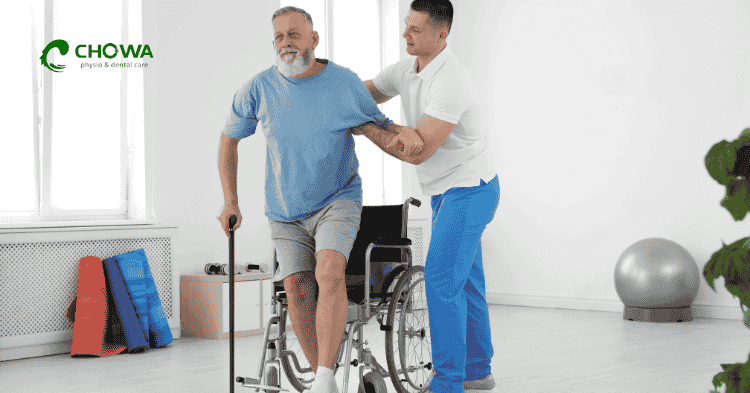
Can paralysis physiotherapy in Gulshan help improve movement, balance, walking, and daily independence after paralysis?
Yes, assessment-based paralysis physiotherapy in Gulshan may support safer movement, muscle activation, sitting balance, standing control, gait training, and functional recovery planning based on the patient’s condition.
Medical disclaimer: This content is for general education only. It does not replace emergency care, medical diagnosis, stroke treatment, neurological assessment, medication advice, or an individual rehabilitation plan. Sudden weakness, facial drooping, speech difficulty, breathing difficulty, severe headache, confusion, sudden vision change, or weakness after head, neck, or back injury needs urgent medical attention.
What Is Paralysis and Why Does Movement Become Difficult?
Paralysis means a person cannot move some or all parts of the body. It may be temporary or long-term, depending on the cause. Some people lose movement in one arm or leg. Some experience weakness on one side of the body. Others may have difficulty moving both legs, the face, or specific muscle groups.
Movement depends on a finely organized network between the brain, spinal cord, nerves, muscles, joints, and sensory feedback. When this neuromuscular communication is interrupted, the body may lose strength, coordination, sensation, or control.
This is why paralysis is not only a “muscle weakness” problem. It may also affect balance, posture, walking rhythm, hand control, trunk stability, transfers, and confidence. A patient may struggle to sit upright, stand safely, take a step, turn in bed, move from bed to chair, or use the affected hand.
Paralysis physiotherapy in Gulshan should begin with a proper assessment because the cause and severity matter. A person with stroke-related hemiplegia needs a different plan from someone with spinal cord injury, peripheral nerve damage, or post-surgery weakness.
The goal is not to promise a quick cure. The goal is to help the patient regain the safest possible level of movement and function through structured, realistic rehabilitation.
Common Causes That May Need Paralysis Rehabilitation in Gulshan
Paralysis rehabilitation in Gulshan may be needed for several neurological and musculoskeletal reasons. Stroke is one of the common causes of sudden paralysis or one-sided weakness. After a stroke, the brain may have difficulty sending clear movement signals to one side of the body. This can affect the face, arm, hand, trunk, leg, and walking ability.
Other causes may include spinal cord injury, head injury, brain injury, nerve damage, Bell’s palsy, neurological disease, post-surgical weakness, prolonged bed rest, and certain medical conditions that affect the muscles or nerves.
Some patients develop flaccid weakness, where the limb feels soft and difficult to activate. Others develop spasticity, where muscles become stiff, tight, or resistant to movement. Both patterns require careful handling.
Paralysis rehabilitation in Gulshan should be planned according to the cause. For example, stroke paralysis physiotherapy Gulshan often includes neurological movement retraining, balance work, gait training, and caregiver education. A patient recovering after long bed rest may need progressive strengthening and endurance training. A patient with spinal cord involvement may require specialized safety planning and assistive device training.
A correct starting point protects the patient from unsafe exercise and supports better progression.
Signs and Symptoms That Need Paralysis Treatment in Gulshan
Paralysis treatment in Gulshan may be needed when a person has weakness in the arm, leg, face, trunk, or one side of the body. The symptoms may appear suddenly, especially after stroke, or gradually depending on the underlying condition.
Common symptoms include difficulty standing, walking, turning, sitting, transferring, maintaining balance, gripping objects, lifting the arm, or clearing the foot during walking. A patient may drag one leg, lean to one side, lose trunk control, or feel unsafe while standing.
Some patients experience poor hand control and reduced grip strength. Others may have muscle stiffness, abnormal tone, involuntary spasms, or flaccid weakness. These symptoms can affect dressing, bathing, eating, writing, prayer positions, toilet transfers, and household movement.
Paralysis treatment in Gulshan should not be delayed after diagnosis because immobility can lead to joint stiffness, muscle shortening, pressure problems, reduced endurance, fear of movement, and caregiver burden.
Rehabilitation is more effective when it is structured, measured, and adapted to the patient’s current ability.
Stroke Paralysis Physiotherapy Gulshan: Why Early Rehab Matters
Stroke can affect movement, sensation, balance, speech, swallowing, thinking, mood, and daily function. Some people recover quickly, while others need months or years of rehabilitation. Recovery depends on the severity of the stroke, the affected brain area, medical status, and the rehabilitation plan.
Stroke paralysis physiotherapy Gulshan may support recovery by improving movement practice, sitting control, standing ability, walking confidence, and functional independence. NHS guidance notes that stroke recovery plans may include physiotherapy and exercises to help with movement, including problems such as numbness down one side of the body.
Early rehab matters because the body can quickly become stiff and weak after reduced movement. The affected arm may become difficult to position. The leg may not accept weight safely. The trunk may lean. The shoulder may become painful if handled incorrectly.
However, early rehab should be safe. Medical clearance may be needed before starting active rehabilitation, especially after a recent stroke, unstable blood pressure, heart concerns, severe fatigue, or other medical complications.
Stroke paralysis physiotherapy Gulshan should focus on controlled progression. The patient should not be forced. Safe repetition, proper positioning, and goal-based training matter.
Post Stroke Paralysis Rehab Gulshan: Step-by-Step Recovery Support
Post stroke paralysis rehab Gulshan often begins with simple but important activities. Early positioning can protect the shoulder, reduce discomfort, support breathing, and prevent unnecessary stiffness. Bed mobility training may help the patient roll, sit up, and move with less fear.
Sitting balance comes next for many patients. Good trunk control is essential for standing and walking. A patient who cannot sit safely may struggle during transfers or wheelchair movement.
Standing tolerance and weight shifting are also important. The patient may need to learn how to accept weight through the affected leg, control the knee, keep the foot stable, and maintain posture.
Arm and hand movement retraining may involve reaching, opening and closing the hand, grasping light objects, shoulder control, and functional task practice. Lower limb rehabilitation may include stepping, foot clearance, knee control, and walking drills.
Post stroke paralysis rehab Gulshan helps rebuild independence gradually. The progress may be small at first: sitting for longer, standing with support, taking a few steps, or transferring with less help. These milestones matter.
Hemiplegia Physiotherapy Gulshan: Care for One-Sided Weakness
Hemiplegia means paralysis or severe weakness on one side of the body. It may happen after stroke, brain injury, or certain neurological conditions.
Hemiplegia physiotherapy Gulshan focuses on helping the affected side participate in movement again. The stronger side often tries to do all the work. This compensation may seem helpful in the beginning, but it can limit recovery and create poor movement habits.
A patient may need help improving shoulder control, elbow movement, hand function, hip control, knee stability, ankle positioning, and trunk alignment. Proper handling is important. Pulling the weak arm during transfers may injure the shoulder.
Transfer training is a major part of hemiplegia care. The patient may practice moving from bed to chair, chair to standing, toilet transfers, and safe turning. Each task should be broken into small steps.
Hemiplegia physiotherapy Gulshan supports daily function by improving body awareness, affected-side activation, and safer movement patterns.
Physiotherapy for Paralysis Gulshan: What Treatment May Include
Physiotherapy for paralysis Gulshan should start with movement assessment and goal setting. The physiotherapist may check muscle strength, tone, sensation, balance, posture, joint mobility, walking ability, coordination, transfers, and daily activity limitations.
Treatment may include passive exercises, active-assisted exercises, active movement practice, strengthening, stretching, positioning, balance training, coordination practice, gait training, posture correction, and functional task training.
Passive exercise may help maintain joint range when the patient cannot move a limb independently. Active-assisted exercise helps the patient participate with guidance. Active exercise is used when the patient can begin controlling the movement.
Strengthening should be safe and progressive. Weak muscles need repetition, but the plan must consider fatigue, pain, spasticity, and medical condition.
Manual therapy and electrotherapy may be used when appropriate as supportive tools. They should not replace active rehabilitation. Home exercise guidance and caregiver education are essential because daily practice influences progress.
Physiotherapy for paralysis Gulshan works best when it is patient-centered, caregiver-aware, and functional.
Gait Training for Paralysis Gulshan
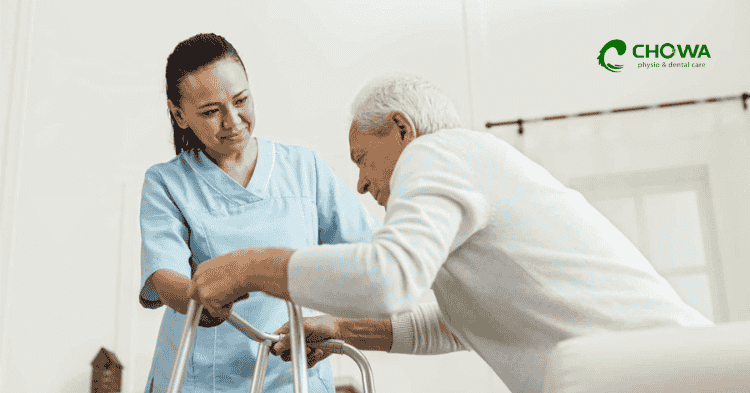
Gait training for paralysis Gulshan focuses on walking quality, confidence, and safety. Walking can change after paralysis because the affected leg may be weak, stiff, poorly coordinated, or difficult to feel.
A patient may drag the foot, lock the knee, take short steps, swing the leg outward, lean the body, or avoid loading the affected side. These changes can increase fall risk and reduce walking endurance.
Gait training may include weight-bearing through the affected leg, stepping practice, foot clearance training, knee control, hip control, posture correction, and safe turning. Some patients need parallel bars in the early phase. Others may use a cane, walker, brace, or ankle-foot orthosis when recommended by qualified professionals. NICE guidance notes that ankle-foot orthoses may be considered after stroke when foot clearance or stance control problems affect walking.
Walking training should be specific. The patient needs to practice the movement they want to improve. NICE recommends walking training for people after stroke who can walk with or without assistance to help build endurance and move more quickly.
Gait training for paralysis Gulshan supports safer walking confidence at home, in the clinic, and gradually in community spaces.
Balance Training Paralysis Rehab Gulshan
Balance training paralysis rehab Gulshan should be supervised and personalized. Balance after paralysis depends on trunk control, leg strength, sensation, vision, coordination, and confidence.
Training may begin in sitting. Sitting balance helps the patient control the trunk, reach safely, and prepare for transfers. The patient may practice sitting upright, shifting weight, reaching to the side, and returning to midline.
Standing balance may involve support from a therapist, parallel bars, or a stable surface. The patient may practice weight shifting, controlled reaching, stepping, turning, and standing tolerance.
Fall risk reduction is a major goal. Transfers and walking are common moments where balance problems appear. Training should include real activities, such as moving from bed to chair, standing from a chair, turning toward a walker, or stepping into the bathroom.
Balance training paralysis rehab Gulshan should never be random or risky. The right level of challenge is important. Too easy brings little progress. Too difficult can create fear or falls.
Paralysis Recovery Physiotherapy Gulshan: What Progress May Look Like
Paralysis recovery physiotherapy Gulshan is not the same for every patient. Recovery depends on the cause, severity, age, medical condition, time since injury, cognition, family support, motivation, and consistency.
Short-term goals may include better positioning, reduced stiffness, safer sitting, improved bed mobility, and supported standing. Medium-term goals may include transfers, standing balance, walking practice, affected-side awareness, and better hand use. Long-term goals may include independent walking, safer home movement, improved daily self-care, and community participation.
Progress should be tracked. Useful markers include movement quality, walking distance, transfer ability, balance tolerance, grip use, pain, spasticity, caregiver assistance, and daily activity participation.
Family support can make a strong difference. Caregivers can help with safe practice, home exercises, transfer safety, and encouragement. They should not force movement or pull the weak limb.
Paralysis recovery physiotherapy Gulshan should be hopeful but realistic. Some patients regain significant function. Others may need compensatory strategies and assistive devices to maximize independence.
Paralysis Physiotherapist in Gulshan: How to Choose the Right Care
A good paralysis physiotherapist in Gulshan should understand neurological rehabilitation, stroke recovery, hemiplegia care, gait training, balance training, spasticity management, and safe transfer handling.
Detailed assessment should come before exercise planning. The physiotherapist should not prescribe the same routine to every patient. The plan should match the person’s diagnosis, weakness level, tone, balance, cognition, pain, medical status, and daily goals.
Communication matters. Paralysis care often involves the patient and caregiver. The physiotherapist should explain what is being done, why it is being done, and how to practice safely at home.
Safe handling is essential during transfers, standing, and walking. A patient with weakness may collapse, lean, or lose balance. The therapist should be able to identify red flags and refer when needed.
A paralysis physiotherapist in Gulshan should avoid guaranteed recovery claims. Neurological recovery varies. Quality care focuses on safety, progress, dignity, and function.
Home Care and Family Support During Paralysis Rehabilitation
Home care is a major part of paralysis rehabilitation in Gulshan. Clinic sessions can guide progress, but daily positioning and safe movement habits happen at home.
Proper positioning can reduce stiffness, discomfort, pressure problems, and shoulder strain. The affected arm should be supported carefully. The weak shoulder should not be pulled during sitting, standing, or transfers.
Home exercises may include gentle limb movement, supported sitting, ankle movement, bridging, assisted reaching, sit-to-stand practice, or walking practice if safe. The exact plan must come from assessment.
Caregivers should learn how to help without over-helping. Encouraging safe movement is good. Forcing activity is not. The patient needs enough support to stay safe and enough independence to participate.
Home safety matters too. Remove clutter. Improve lighting. Keep the bathroom safer. Use stable chairs. Avoid slippery floors. Keep frequently used items within easy reach.
Caregiver education is a key part of physiotherapy for paralysis Gulshan because the family often supports the patient every day.
Assistive Devices and Safety Planning for Paralysis Patients
Assistive devices may support mobility and safety. A cane, walker, brace, wheelchair, or ankle-foot orthosis may be helpful for some patients. The right device depends on strength, balance, walking ability, foot control, and home environment.
Improper device use can increase fall risk. A cane that is too high or too low can affect posture. A walker used incorrectly can make turning unsafe. A brace that does not fit properly may cause skin problems or discomfort.
Safety planning may include transfer training from bed, chair, toilet, and wheelchair. Bathroom safety is especially important because wet floors and narrow spaces increase fall risk.
Stair safety should be assessed carefully. Some patients may need handrails, caregiver support, or temporary activity modification.
Proper safety planning supports paralysis rehabilitation in Gulshan by reducing avoidable risk and allowing the patient to practice movement with confidence.
Paralysis Treatment in Gulshan: Red Flags That Need Medical Attention
Some symptoms should not be managed with physiotherapy alone.
Urgent medical care is needed if paralysis or weakness happens suddenly, especially with facial drooping, speech difficulty, confusion, breathing or swallowing problems, severe headache, vision changes, or one-sided arm weakness. NHS guidance lists sudden paralysis or weakness, head/neck/back injury-related weakness, speech or breathing problems, facial drooping, and sensory loss as emergency signs.
Medical attention is also needed after a fall if there is severe pain, swelling, deformity, suspected fracture, head injury, or sudden inability to stand.
These signs may indicate stroke, spinal injury, fracture, neurological emergency, or another serious condition. Physiotherapy should begin only after appropriate medical assessment and clearance when needed.
Best Paralysis Physiotherapy in Gulshan: What Quality Care Should Include
The best paralysis physiotherapy in Gulshan should include assessment-based rehabilitation, neurological movement retraining, strengthening, balance training, gait training, posture management, stiffness management, functional practice, home exercise planning, and caregiver education.
It should also include progress monitoring. A patient’s plan may change as strength improves, stiffness changes, walking becomes safer, or fatigue appears.
Quality care should protect dignity. Paralysis can affect independence, privacy, confidence, and emotional wellbeing. The patient should feel respected and involved in goal setting.
Referral guidance is also important. If symptoms worsen, new neurological signs appear, pain increases, or medical complications arise, the patient should be guided toward medical review.
The best paralysis physiotherapy in Gulshan focuses on function, safety, and meaningful daily progress.
What to Expect at Chowa Physio & Dental Care
At Chowa Physio & Dental Care, patients can expect an assessment-focused physiotherapy approach for movement problems, weakness, balance issues, and rehabilitation needs. The clinic’s listed physiotherapy services include Stroke Rehabilitation, Elderly Mobility Restoration, Chronic Pain Management, Sports Injury Physiotherapy, Post-Surgery Physiotherapy, Back & Neck Pain Treatment, Orthopedic Rehabilitation, manual therapy, electrotherapy, digital assessment tools, and progressive strengthening protocols.
For paralysis physiotherapy in Gulshan, an assessment may include strength testing, balance review, posture observation, gait assessment, transfer ability, joint movement, functional limitations, and caregiver concerns.
A personalized plan may include stroke paralysis physiotherapy Gulshan, post stroke paralysis rehab Gulshan, hemiplegia physiotherapy Gulshan, gait training for paralysis Gulshan, balance training paralysis rehab Gulshan, home exercise guidance, and caregiver education.
Chowa is located in Gulshan 2, Dhaka, which may be convenient for patients from Banani, Baridhara, Niketan, Mohakhali, Badda, and nearby areas.
FAQs
What is paralysis physiotherapy?
Paralysis physiotherapy is rehabilitation care that supports movement, strength, balance, posture, walking, transfers, and daily function after paralysis or severe weakness.
Who needs paralysis rehabilitation in Gulshan?
Paralysis rehabilitation in Gulshan may help people with stroke-related weakness, hemiplegia, spinal cord injury, nerve damage, post-surgery weakness, or mobility loss after illness.
Can physiotherapy for paralysis Gulshan improve movement?
Physiotherapy for paralysis Gulshan may improve movement, strength, balance, walking confidence, and functional ability depending on the cause, severity, consistency, and medical condition.
How does stroke paralysis physiotherapy Gulshan help recovery?
Stroke paralysis physiotherapy Gulshan may help through movement retraining, balance work, strengthening, gait training, positioning, transfers, and functional task practice.
What is included in post stroke paralysis rehab Gulshan?
Post stroke paralysis rehab Gulshan may include bed mobility, sitting balance, standing practice, arm and hand retraining, walking practice, transfer training, and caregiver education.
Can hemiplegia physiotherapy Gulshan help one-sided weakness?
Yes, hemiplegia physiotherapy Gulshan may help improve affected-side awareness, trunk control, arm and leg movement, transfer safety, and daily function.
About Chowa Physiotherapy & Dental Care
Chowa Physio & Dental Care is a physiotherapy and dental care center in Gulshan 2, Dhaka, providing assessment-based physiotherapy for stroke rehabilitation, paralysis management, elderly mobility restoration, chronic pain, orthopedic rehabilitation, post-surgery recovery, balance issues, gait problems, and daily movement limitations. For patients searching for paralysis physiotherapy in Gulshan, Chowa supports personalized neurological rehabilitation, guided exercise, gait training, balance training, caregiver education, and safer recovery planning based on individual needs.
