
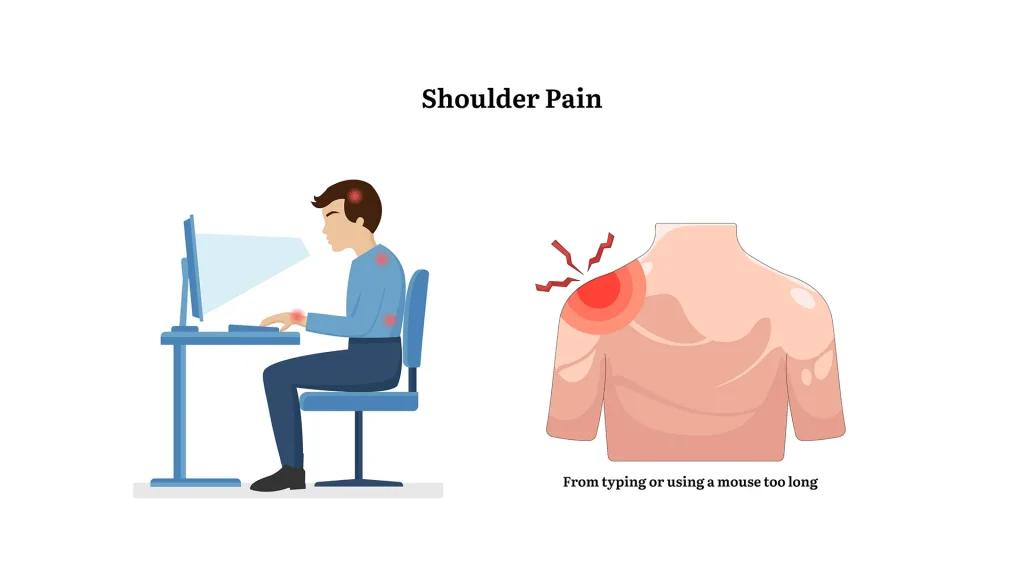
Can work related musculoskeletal disorders start from daily desk work, long sitting, or poor posture?
Yes, work related musculoskeletal disorders can slowly develop when work habits, posture, repetitive movement, and workstation setup place repeated stress on muscles, joints, nerves, tendons, and ligaments.
Work should not leave your body feeling older than it is. But for many office workers, computer users, drivers, teachers, designers, accountants, and busy professionals in Gulshan, daily work becomes a silent source of pain. The back feels heavy. The neck becomes stiff. The shoulders stay tight. The wrist may ache after typing. At first, it feels like normal tiredness. Later, it becomes a pattern.
That pattern may be linked with work related musculoskeletal disorders.
This guide explains work related musculoskeletal disorders in simple words, why they happen, what signs to watch, and how physiotherapy may support better movement, safer posture, and healthier work habits. It also explains when work related MSD physiotherapy Gulshan may be helpful at Chowa Physio & Dental Care.
What Are Work Related Musculoskeletal Disorders?
Work related musculoskeletal disorders are pain or functional problems that affect the body’s movement system and are caused or worsened by work conditions. They may affect muscles, joints, bones, nerves, tendons, ligaments, and soft tissues. [1]
In simple words, these disorders happen when the body is repeatedly pushed beyond comfortable limits during work. This can happen from long sitting, poor posture, repeated typing, heavy lifting, awkward bending, vibration, forceful tasks, or poor workstation design.
Work related musculoskeletal disorders are not limited to factory workers or heavy laborers. Office employees can also suffer from them. A person who sits at a computer for eight hours with a low screen and rounded shoulders may face neck, shoulder, wrist, or back pain over time.
In Gulshan’s corporate and office-heavy lifestyle, work related musculoskeletal disorders Gulshan is an important topic because many people work long hours at desks, laptops, phones, counters, or vehicles.
Simple Meaning of Work Related Musculoskeletal Disorders
Work related musculoskeletal disorders mean body pain or movement difficulty connected to work tasks.
For example:
- Back pain from long sitting
- Neck stiffness from laptop use
- Shoulder pain from poor mouse position
- Wrist pain from repetitive typing
- Knee or hip pain from prolonged standing
- Muscle fatigue from awkward posture
- Nerve irritation from repetitive strain
These conditions may start slowly. One day the neck feels tight. Another day the lower back feels sore. After a few weeks, the discomfort keeps returning. This is when workplace musculoskeletal pain treatment Gulshan may become important.
A disorder does not always begin with a sudden injury. Sometimes it grows from small daily stress. This is called cumulative loading. The body receives tiny repeated strain until the tissues become irritated.
How Work Related Musculoskeletal Disorders Affect Muscles, Joints, Nerves, Tendons, and Ligaments
Work related musculoskeletal disorders can affect different body tissues in different ways.
Muscles may become tight, weak, overactive, or painful. Joints may become stiff or overloaded. Tendons may become irritated from repeated movement. Ligaments may become strained during awkward work positions. Nerves may become compressed or sensitive, causing tingling, numbness, or radiating pain.
For example, long typing with poor wrist position may irritate the wrist and forearm. Sitting with forward head posture may overload the neck muscles. Lifting without proper technique may strain the lower back. Reaching too far for the mouse may increase shoulder stress.
This is why physiotherapy assessment is important. The same pain can have different causes. Two people may both have neck pain, but one may need posture correction, while another may need mobility work, strengthening, or medical evaluation.
Why Early Awareness Matters for Office Workers, Desk Users, and Active Professionals
Early awareness matters because work related musculoskeletal disorders often become harder to manage when ignored for too long. A small pain can become a chronic pattern if the person continues the same posture, same workstation mistake, and same repetitive strain every day.
Office workers may think, “It is just tiredness.” Drivers may think, “It will go away after rest.” Students may think, “It is normal because I use my laptop a lot.”
Sometimes rest helps. But if the cause is still present, pain may return. This is why early guidance, ergonomic physiotherapy for MSD Gulshan, and posture education can be useful.
Early signs should not be dismissed when they affect work, sleep, focus, movement, or daily life.
Difference Between Normal Work Fatigue and a Possible Occupational Musculoskeletal Disorder
Normal work fatigue usually improves after rest, sleep, hydration, or a short break. It does not keep returning strongly every time you work.
A possible occupational musculoskeletal disorder may be different. Pain may return during the same task. Stiffness may appear after sitting. Shoulder pain may increase with mouse use. Back pain may worsen after long meetings. Wrist discomfort may happen after typing. The pattern becomes predictable.
If discomfort keeps coming back with work, occupational musculoskeletal disorder physiotherapy Gulshan may be worth considering. A physiotherapist can assess posture, movement, muscle function, work habits, and possible risk factors.
Why Work Related Musculoskeletal Disorders Happen
Work related musculoskeletal disorders happen because of repeated stress, poor body mechanics, awkward posture, forceful movement, and low recovery time. NIOSH notes that work-related MSDs can be caused or worsened by tasks such as lifting, pushing, pulling, awkward postures, vibration, high repetition, and increased intensity, frequency, or duration of activities.
For desk workers, the risks are often less dramatic but still important. Long sitting, laptop use, low monitors, poor chairs, unsupported feet, and lack of movement can create musculoskeletal stress.
In simple terms, the body does not like being trapped in one posture all day.
Repetitive Movement, Long Sitting, Awkward Posture, and Poor Workstation Setup
Repetitive movement can overload tendons and muscles. Long sitting can increase spinal pressure and reduce circulation. Awkward posture can force joints into weak positions. Poor workstation setup can make the body work harder than necessary.
Common examples include:
- Typing for hours without wrist support
- Looking down at a laptop screen
- Sitting without lower back support
- Reaching forward for the mouse
- Holding the phone between shoulder and ear
- Standing in one place for too long
- Lifting or bending with poor technique
- Working from bed or sofa
These habits may look small. But repeated daily, they can become powerful pain triggers.
How Neck Shoulder Back Pain From Work Gulshan Can Begin Slowly
Neck shoulder back pain from work Gulshan often begins quietly. At first, there may be only mild tightness. Then the person notices pain after long meetings, computer work, or travel. Later, the discomfort appears earlier in the day.
The neck may become stiff because the screen is too low. The shoulders may become tight because the arms are not supported. The lower back may hurt because the chair does not support the spine.
This slow beginning is why many people delay care. They wait until the pain becomes disruptive. But early assessment may help identify the mechanical problem before it becomes more persistent.
Why Desk Job Musculoskeletal Pain Treatment Gulshan Becomes Important for Long-Term Comfort
Desk job musculoskeletal pain treatment Gulshan becomes important when discomfort affects daily work, productivity, or quality of life. Desk jobs may not look physically demanding, but the body still works hard to hold posture, stabilize the spine, and support repetitive hand movement.
A good treatment approach may include posture correction, mobility exercises, strengthening, ergonomic advice, and work-habit modification. It should not be only about temporary pain relief. It should help the person understand why pain happens and how to reduce repeated strain.
Common Work Habits That Silently Increase Body Strain
Some work habits silently increase body strain:
- Sitting for too long without breaks
- Keeping the screen too low
- Using a laptop without an external keyboard
- Sitting with rounded shoulders
- Leaning forward toward the monitor
- Keeping the mouse too far away
- Working under stress with tense shoulders
- Skipping exercise and movement
- Ignoring early discomfort
These habits can create posture related musculoskeletal pain Gulshan, especially among people with long screen time.
Common Symptoms of Workplace Musculoskeletal Pain
Workplace musculoskeletal pain can show up in many ways. It may affect one area or several areas at the same time.
Common symptoms include:
- Lower back pain
- Neck stiffness
- Shoulder pain
- Upper back tightness
- Wrist or hand discomfort
- Elbow pain
- Knee pain after standing
- Muscle fatigue
- Numbness or tingling
- Reduced movement
- Pain that returns during work
When these symptoms keep returning, workplace musculoskeletal pain treatment Gulshan may be needed.
Back Pain After Long Sitting or Standing
Back pain after long sitting is common among desk workers. Back pain after long standing is common among teachers, service staff, healthcare workers, and people who stand for work.
Long sitting may reduce spinal support and increase pressure on the lower back. Long standing may fatigue the back, hips, knees, and feet. Both can create discomfort when posture, strength, and work setup are not balanced.
Physiotherapy may help by assessing movement, posture, muscle strength, flexibility, and work demands.
Neck Stiffness From Computer and Mobile Use
Neck stiffness from computer and mobile use is often linked with forward head posture. When the head moves forward, neck muscles must work harder to hold it. Looking down at a phone or laptop for long periods can increase this strain.
This is a common reason for neck shoulder back pain from work Gulshan. Safe screen position, movement breaks, posture training, and strengthening may help depending on the condition.
Shoulder Pain From Poor Mouse, Keyboard, or Desk Position
Shoulder pain may happen when the mouse is too far away, the desk is too high, the shoulders stay raised, or the arms are not supported. Repetitive reaching can overload the shoulder muscles.
Small workstation changes can make a difference. Keeping the mouse close, relaxing the shoulders, and supporting the arms may reduce unnecessary strain.
Wrist, Elbow, or Hand Discomfort From Repetitive Tasks
Wrist, elbow, or hand discomfort can happen from repetitive typing, mouse use, gripping, tool use, or awkward wrist angles. If ignored, these symptoms may affect work speed, concentration, and daily tasks.
Physiotherapy can help identify whether the problem is related to posture, muscle imbalance, nerve sensitivity, tendon irritation, or work habits.
Work Related Musculoskeletal Disorders Gulshan: Who Is at Risk?
Work related musculoskeletal disorders Gulshan can affect many types of people.
At-risk groups include:
- Office employees with long screen time
- Computer users and remote workers
- Designers, accountants, and data-entry professionals
- Drivers and riders
- Teachers and students
- Healthcare and service professionals
- People who lift or carry objects
- Workers returning after injury or surgery
- People with previous back, neck, or shoulder pain
Any work that repeats the same movement, posture, or load can increase risk.

Office Worker Musculoskeletal Pain Gulshan
Office worker musculoskeletal pain is becoming common because work has become screen-heavy. Many people sit for long hours, attend online meetings, use laptops, and work with limited movement.
The body was not designed to stay locked in one position for an entire workday. Long sitting affects spinal loading, hip mobility, muscle balance, and circulation. Over time, this may contribute to back, neck, shoulder, and wrist discomfort.
Office pain should not be ignored when it keeps returning, spreads, causes numbness, affects sleep, or reduces work ability.
How Long Sitting Affects Spinal Loading and Muscle Balance
Long sitting can increase pressure on the lumbar spine, especially when sitting with a rounded lower back. Hip muscles may become tight. Core muscles may become less active. Upper back muscles may weaken while chest muscles become tight.
This imbalance can affect the whole kinetic chain. The body compensates. The neck moves forward. The shoulders round. The lower back feels unsupported. Pain may follow.
That is why desk job musculoskeletal pain treatment Gulshan often includes more than pain control. It may include movement retraining, strengthening, and ergonomic correction.
Desk Job Musculoskeletal Pain Treatment Gulshan
Desk job musculoskeletal pain treatment Gulshan may support daily comfort by identifying what is causing repeated strain. The treatment may include physiotherapy assessment, posture correction, mobility work, strengthening, and ergonomic advice.
A physiotherapist may check how you sit, how you move, how long you work, what triggers pain, and what your workstation looks like. Then a personalized plan can be created.
The goal is not to force a perfect posture. The goal is to make work less stressful for the body.
Posture Correction, Mobility Work, Strengthening, and Ergonomic Advice
A complete plan may include:
- Posture education
- Neck and upper back mobility
- Core strengthening
- Shoulder blade control
- Hip flexibility
- Wrist and forearm care
- Workstation correction
- Movement break planning
- Home exercise guidance
These elements work together. Ergonomic advice without exercise may not be enough. Exercises without correcting poor desk habits may also fail. A balanced plan is often more effective.
Why Treatment Should Be Based on Physiotherapy Assessment
Treatment should be based on assessment because symptoms can be misleading. Back pain may come from posture, muscle weakness, disc irritation, hip stiffness, or another issue. Shoulder pain may come from the shoulder itself, the neck, or repeated mouse use.
Assessment helps identify the most likely contributing factors. It also helps keep care safer and more specific.
This is especially important for occupational musculoskeletal disorder physiotherapy Gulshan, where work tasks and body mechanics must be considered together.
Work Related MSD Physiotherapy Gulshan
Work related MSD physiotherapy Gulshan focuses on pain, movement, posture, strength, and work-related strain. It can help people understand how their job tasks affect their body and what can be changed.
During a session, the physiotherapist may discuss pain history, work routine, sitting or standing time, previous injuries, exercise habits, and symptom triggers. Then posture, movement, muscle function, and joint mobility may be assessed.
The treatment plan may include manual therapy, exercise therapy, posture correction, ergonomic guidance, and home advice depending on the condition.
Why Follow-Up and Home Exercise Guidance Matter
Follow-up matters because work related musculoskeletal disorders often need habit change. One session may explain the problem, but daily practice creates improvement.
Home exercises may help build strength, flexibility, and body awareness. Follow-up visits allow progress tracking and plan adjustment.
The workplace can keep creating strain if the original habit is not corrected. That is why follow-up and work-habit guidance are valuable.
Occupational Musculoskeletal Disorder Physiotherapy Gulshan
Occupational musculoskeletal disorder physiotherapy Gulshan looks at the connection between job tasks and body pain. It may support people with repetitive strain, posture imbalance, work injury, and movement limitation.
For example, a person who lifts boxes may need lifting technique training. A computer user may need workstation correction. A driver may need sitting support and hip mobility. A teacher may need standing posture and back care.
The treatment should match the person’s job reality.
Safe Return-to-Work Planning Based on Condition
Safe return-to-work planning is important after injury, surgery, or long-term pain. Returning too fast may aggravate symptoms. Returning too slowly may reduce confidence and function.
A physiotherapist may help guide activity progression, movement safety, load tolerance, and work modifications. The plan should depend on diagnosis, pain level, job demands, and medical advice when needed.
Work Injury Physiotherapy Gulshan
Work injury physiotherapy Gulshan may be needed after lifting, bending, twisting, falling, repetitive work, or sudden strain. Injuries may affect the back, neck, shoulder, wrist, knee, or other areas.
Assessment-based care can help identify the affected tissues and plan safe treatment. It may include pain management, mobility restoration, strengthening, posture education, and gradual return to activity.
Urgent medical attention is needed if pain is severe, follows major trauma, causes numbness or weakness, comes with fever, affects bladder or bowel control, or continues to worsen.
Ergonomic Physiotherapy for MSD Gulshan
Ergonomic physiotherapy for MSD Gulshan connects pain with workplace habits. It looks at how your chair, desk, monitor, keyboard, mouse, sitting angle, foot support, and movement breaks affect your symptoms.
Ergonomics matters because it helps fit the job to the person. OSHA explains ergonomics as fitting a job to a person, which may help reduce muscle fatigue and the number and severity of work-related MSDs. [2]
Better body mechanics may support safer work routines by reducing unnecessary stress on muscles and joints.
Workplace Ergonomics Physiotherapy Gulshan
Workplace ergonomics physiotherapy Gulshan may include workstation assessment, posture education, desk setup advice, movement breaks, and body mechanics training.
A workstation assessment may review:
- Screen height
- Sitting angle
- Foot support
- Chair height
- Lower back support
- Keyboard and mouse position
- Arm position
- Lighting and glare
- Break frequency
- Workload pattern
These changes may help prevent recurring pain when combined with proper movement and exercise guidance.
Movement Breaks for People Who Sit or Type for Long Hours
Movement breaks are simple but powerful. Sitting for hours without movement can increase stiffness and fatigue. Short breaks may help muscles relax and joints move.
A practical approach is to stand, walk, stretch gently, or change position every 30–45 minutes. The break does not have to be long. Consistency matters more.
Posture Related Musculoskeletal Pain Gulshan
Posture related musculoskeletal pain Gulshan may affect the neck, shoulders, back, hips, and wrists. Poor posture can create uneven load on the body.
Common posture issues include:
- Forward head posture
- Rounded shoulders
- Slouched sitting
- Uneven shoulder height
- Unsupported lower back
- Bent wrists during typing
- Twisted sitting position
Simple posture habits may reduce daily strain, but persistent pain needs professional assessment.
Neck Shoulder Back Pain From Work Gulshan
Neck shoulder back pain from work Gulshan often starts with desk habits. A low screen, unsupported chair, poor mouse position, or long sitting can slowly create discomfort.
Common signs include:
- Neck stiffness after computer use
- Shoulder tightness during work
- Lower back pain after sitting
- Headache linked with posture
- Pain that improves after rest but returns at work
Physiotherapy may help improve movement, reduce strain, and correct contributing habits. But red flags should not be ignored. Seek medical advice for numbness, weakness, severe pain, trauma, fever, or worsening symptoms.
Treatment Approach at Chowa Physio & Dental Care
At Chowa Physio & Dental Care in Gulshan, treatment for work related musculoskeletal disorders should begin with understanding the person, not only the pain. The discussion may include pain history, work routine, lifestyle, job tasks, sitting hours, previous injury, and daily habits.
The assessment may include posture, movement, muscle function, joint mobility, and workstation-related problems. Based on the findings, a personalized physiotherapy plan may be created.
The plan may include ergonomic correction, guided exercise, manual therapy where appropriate, home advice, and follow-up support.
Chowa’s physiotherapy content highlights posture correction, movement therapy, manual therapy, exercise-based rehabilitation, and lifestyle or ergonomic adjustment as part of physiotherapy care. [3]
Personalized Physiotherapy Plan Based on Condition
A personalized plan matters because work related musculoskeletal disorders are not the same for everyone. A remote worker with neck pain may need a different plan than a driver with back stiffness or a teacher with knee pain.
A condition-based plan may include:
- Pain education
- Posture correction
- Mobility exercises
- Strengthening exercises
- Workstation modification
- Movement habit training
- Gradual activity progression
- Home care guidance
This approach supports safer daily work habits and reduces the risk of repeating the same strain cycle.
Prevention Tips for Work Related Musculoskeletal Disorders
Prevention is often easier than long-term pain management. WHO’s workplace MSD prevention guidance focuses on reducing or avoiding physical loadings that are dangerous or unnecessarily fatiguing. [4]
Practical prevention tips include:
- Take movement breaks during long work sessions
- Keep the screen near eye level
- Support the lower back while sitting
- Keep keyboard and mouse close to the body
- Avoid working from bed or sofa for long hours
- Keep shoulders relaxed while typing
- Change posture often
- Build strength gradually
- Stretch tight areas carefully
- Seek assessment if pain keeps returning
Prevention should feel realistic. A person does not need a perfect office. Small changes done consistently can help.
When to Visit a Physiotherapist in Gulshan
You should consider visiting a physiotherapist in Gulshan when pain keeps returning during or after work, or when back, neck, shoulder, wrist, or knee discomfort affects daily tasks.
Physiotherapy assessment may be helpful when:
- Home posture tips are not enough
- Pain spreads or worsens
- Pain affects sleep or focus
- You feel numbness or weakness
- Work injury or repetitive strain needs assessment
- Sitting, typing, lifting, or standing repeatedly triggers pain
- You need safe return-to-work guidance
Do not wait until mild pain becomes a severe limitation.
Why Choose Chowa for Work-Related MSD Physiotherapy Gulshan?
Chowa Physio & Dental Care provides local physiotherapy support in Gulshan, Dhaka, with a patient-focused care approach. For work-related MSD physiotherapy, Gulshan Chowa can support people dealing with posture, pain, movement problems, workplace strain, and daily functional difficulty.
The care approach should be assessment-based instead of generic advice. This is important because body pain is personal. Your posture, job role, lifestyle, and symptoms all matter.
Chowa may be suitable for office workers, families, computer users, corporate employees, drivers, students, and people seeking guidance for work related musculoskeletal disorders Gulshan.
FAQs
What are work related musculoskeletal disorders?
Work related musculoskeletal disorders are pain or movement problems affecting muscles, joints, nerves, tendons, ligaments, or bones that are caused or worsened by work conditions.
What causes work related musculoskeletal disorders?
They may be caused or worsened by repetitive movement, long sitting, awkward posture, heavy lifting, poor workstation setup, vibration, stress, or high physical workload.
Can physiotherapy help work related musculoskeletal disorders?
Physiotherapy may help by assessing pain, movement, posture, strength, flexibility, and work habits. Treatment may include exercises, ergonomic advice, posture correction, and home guidance.
Who needs workplace musculoskeletal pain treatment Gulshan?
Workplace musculoskeletal pain treatment Gulshan may be helpful for office workers, computer users, drivers, teachers, service professionals, and anyone whose pain keeps returning during work.
Is ergonomic physiotherapy for MSD Gulshan only for office workers?
No. Ergonomic physiotherapy for MSD Gulshan may help office workers, drivers, students, teachers, service staff, and people with repetitive or posture-related work strain.
About Chowa Physiotherapy & Dental Care
Chowa Physio & Dental Care is a trusted physiotherapy and dental care center in Gulshan, Dhaka, focused on patient-centered care for pain, posture, movement, rehabilitation, and daily function. For work related musculoskeletal disorders, Chowa supports office workers, computer users, professionals, families, and corporate employees with assessment-based physiotherapy guidance, ergonomic support, and personalized care for safer movement and better work comfort.
