
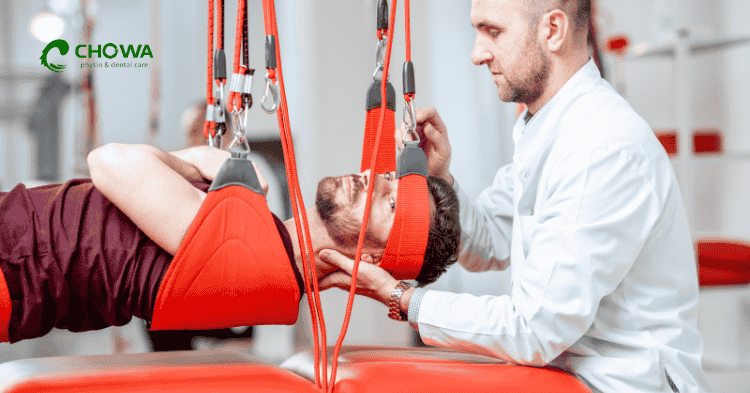
Looking for neurological physiotherapy in Dhaka for stroke, paralysis, brain injury, or walking difficulty?
Neurological physiotherapy in Dhaka may help patients improve movement, balance, strength, walking ability, posture, and daily function through assessment-based rehabilitation.
Neurological problems can change life quickly. A person may suddenly struggle to walk after stroke. Another may lose balance after brain injury. Someone may need paralysis physiotherapy in Dhaka after spinal cord injury or nerve-related disease. In these moments, families often search for a trusted neuro rehab center in Dhaka that can guide recovery with care, patience, and realistic planning.
Neurological physiotherapy in Dhaka is not only about exercise. It is a structured rehabilitation process that focuses on the brain, nerves, muscles, balance, coordination, gait, and daily activity. The NHS explains that stroke recovery can take days or weeks for some people, while others may need months or years, depending on physical and mental effects and the rehabilitation plan.
Finding Trusted Neurological Physiotherapy in Dhaka
Finding trusted neurological physiotherapy in Dhaka starts with understanding the patient’s condition. Every neurological case is different. A stroke patient with one-sided weakness may need gait training. A paralysis patient may need bed mobility and transfer training. A brain injury patient may need balance, posture, and coordination practice. A spinal cord injury patient may need wheelchair mobility, strengthening, positioning, and caregiver support.
The goal is not to promise a miracle recovery. The goal is to improve function step by step.
A good neurological rehabilitation plan should begin with assessment. The physiotherapist needs to understand the patient’s diagnosis, movement ability, balance level, strength, pain, stiffness, medical history, family support, and daily activity needs.
Why Neurological Physiotherapy in Dhaka Matters for Movement Recovery
Neurological physiotherapy in Dhaka matters because neurological conditions can affect the body’s control system. The brain and nerves tell the muscles how to move. When this system is injured or diseased, movement can become weak, slow, stiff, uncoordinated, or unsafe.
Patients may face:
Weakness on one side of the body.
Difficulty standing or walking.
Poor balance.
Muscle stiffness.
Reduced coordination.
Poor posture.
Difficulty using hand, arm, or leg.
Fear of falling.
Loss of independence.
In stroke recovery, the NHS notes that a home recovery plan may include physiotherapy and exercises to help movement, including problems such as numbness down one side of the body. This is why structured stroke physiotherapy in Dhaka can be important after medical clearance.
How Neuro Physiotherapy in Dhaka Supports Stroke, Paralysis, Brain Injury, and Spinal Cord Injury Patients
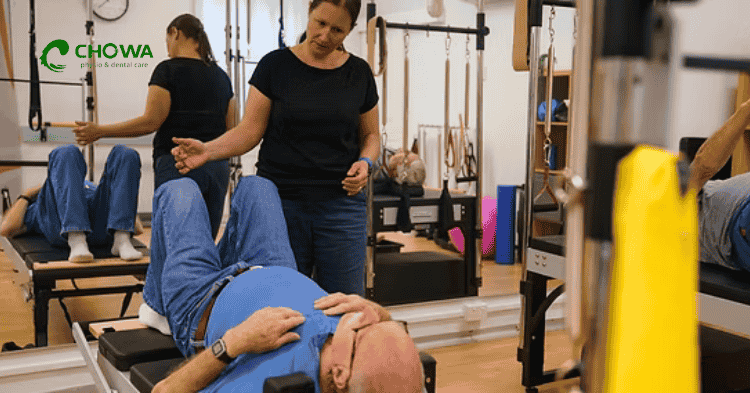
Neuro physiotherapy in Dhaka supports recovery by training the body to move in safer and more functional ways. It may include passive movement, active-assisted exercises, strengthening, balance work, gait training, posture correction, mobility practice, transfer training, electrical stimulation when appropriate, and caregiver education.
Chowa’s documented neurological and disability care includes passive and active exercises, muscle strengthening, gait and balance work, posture training, mobility-aid support, electrical stimulation for inactive muscles, possible occupational therapy support, caregiver education, home-exercise continuity, and long-term follow-up.
This makes neurological rehabilitation Dhaka relevant for patients who need more than general pain relief. They need functional restoration.
Who Should Visit a Neuro Rehab Center in Dhaka?
A person should consider visiting a neuro rehab center in Dhaka if they have stroke-related weakness, paralysis, poor walking balance, spinal cord injury, brain injury, nerve-related weakness, difficulty standing, difficulty transferring from bed to chair, frequent falls, reduced mobility, or elderly neurological problems.
Patients should also seek urgent medical review first if symptoms are sudden, severe, or worsening, such as new facial drooping, speech difficulty, sudden one-sided weakness, loss of consciousness, severe headache, seizures, or breathing difficulty.
What Is Neurological Physiotherapy?
Neurological physiotherapy is a rehabilitation approach for people whose movement, balance, posture, strength, and daily function are affected by the nervous system.
It is used for conditions involving the brain, spinal cord, and nerves. In simple words, it helps patients relearn movement, improve control, and practice daily activities safely.
Simple Meaning of Neurological Physiotherapy for Patients and Families
For patients and families, neurological physiotherapy in Dhaka means guided rehabilitation for movement problems caused by neurological conditions. It may help a patient sit better, stand with support, walk more safely, move a weak arm, reduce stiffness, improve balance, or perform daily tasks with more confidence.
It is not one fixed treatment. It is a personalized process.
How Neurological Rehabilitation Dhaka Focuses on the Brain, Nerves, Muscles, Balance, and Movement
Neurological rehabilitation Dhaka works on the connection between the nervous system and the body. The physiotherapist may train muscle activation, joint movement, posture, balance reactions, walking rhythm, coordination, and functional tasks.
The Mayo Clinic explains that after significant brain injury, many people require rehabilitation to relearn basic skills such as walking or talking, and physical therapists can help with mobility, relearning movement patterns, balance, and walking.
Difference Between General Physiotherapy and Neuro Physiotherapy in Dhaka
General physiotherapy often focuses on pain, muscle injury, joint stiffness, sports injury, posture problems, or orthopedic rehabilitation.
Neuro physiotherapy in Dhaka focuses more on nervous-system-related movement problems. This may include stroke, paralysis, brain injury, spinal cord injury, nerve disease, balance issues, gait problems, and disability-related mobility limitations.
The exercises are often more task-based, repetitive, supported, and function-focused.
Why Neurological Care Should Always Be Assessment-Based
Neurological patients can have complex needs. One person may need standing practice. Another may need sitting balance first. One may need gait training. Another may not be safe to walk yet.
That is why neurological care should always be assessment-based. Random exercises can be unsafe if the patient has poor balance, severe weakness, dizziness, uncontrolled blood pressure, severe spasticity, pain, or medical instability.
Common Conditions Treated With Neurological Physiotherapy in Dhaka
Neurological physiotherapy in Dhaka may support several neurological conditions that affect movement and daily function.
Stroke Physiotherapy in Dhaka for Weakness, Walking Problems, and Balance Issues
Stroke physiotherapy in Dhaka helps patients who have weakness, numbness, balance problems, walking difficulty, posture issues, or reduced coordination after stroke. Stroke recovery can be gradual, and the NHS explains that rehabilitation goals and family involvement can support progress.
Treatment may include strengthening, mobility practice, gait training, balance work, transfer training, hand and arm movement support, and home exercise guidance.
Paralysis Physiotherapy in Dhaka for Movement Support and Daily Function
Paralysis physiotherapy in Dhaka may be needed when a patient has partial or complete movement loss due to stroke, spinal cord injury, brain injury, nerve disease, or other neurological conditions.
The goal may include maintaining joint movement, reducing stiffness, improving muscle activation, practicing bed mobility, improving sitting balance, preparing for standing, and supporting daily function.
Brain Injury Physiotherapy Dhaka for Coordination, Posture, and Mobility Recovery
Brain injury physiotherapy Dhaka may help patients who struggle with balance, coordination, walking, posture, and movement control after traumatic or non-traumatic brain injury. Mayo Clinic notes that rehabilitation needs vary depending on injury severity and affected brain area.
A physiotherapist for neurological disorders Dhaka may work with the patient and family to create safe movement goals.
Spinal Cord Injury Rehab Dhaka for Strength, Transfer Training, and Independence
Spinal cord injury rehab Dhaka may focus on maintaining available strength, improving mobility, preventing secondary complications, training transfers, improving wheelchair skills, supporting standing or walking where appropriate, and teaching caregiver safety.
The plan depends on injury level, completeness, medical stability, sensation, strength, and functional goals.
Elderly Neurological Physiotherapy Dhaka for Age-Related Nerve and Mobility Problems
Elderly neurological physiotherapy Dhaka may help older adults with stroke history, Parkinsonian movement problems, nerve weakness, balance issues, gait difficulty, post-fall fear, and reduced mobility.
Chowa’s elderly physiotherapy support is documented for seniors with arthritis, weakness, joint stiffness, balance issues, fall risk, post-stroke limitations, and post-surgical recovery needs, with coordination and balance drills, gradual strengthening, gait training, mobility work, walking-aid instruction, fall-prevention strategies, and caregiver support.
Neurological Rehabilitation Dhaka: Main Goals of Treatment
The main goals of neurological rehabilitation Dhaka are practical. Patients want to move better, feel safer, and do more daily tasks.
Improving Muscle Control, Strength, and Movement Coordination
Neurological conditions can reduce muscle control. A patient may have weakness, stiffness, poor timing, or abnormal movement patterns. Physiotherapy may include repeated movement practice, strengthening, coordination work, and functional training.
Supporting Balance, Posture, and Safe Walking
Balance and posture are central to neuro rehab. Poor balance can increase fall risk. Poor posture can make standing and walking harder.
Balance training neuro physiotherapy Dhaka may include supported standing, weight shifting, stepping practice, postural control, and dynamic balance training.
Reducing Stiffness, Weakness, and Abnormal Movement Patterns
Some neurological patients develop stiffness or spasticity. Others have floppy weakness or poor muscle activation. The physiotherapist may use positioning, stretching, active movement, strengthening, and guided practice to support better movement quality.
Helping Patients Regain Daily Activity Confidence
The real goal is daily function. Can the patient sit safely? Stand from a chair? Walk to the bathroom? Use stairs? Hold a spoon? Transfer from bed to chair?
Neuro rehab should connect exercises with real-life tasks.
Creating Realistic Recovery Goals With Patient and Family Support
Recovery goals should be honest and measurable. For example: sit without support, stand for 2 minutes, walk 10 steps with a walker, transfer safely, reduce fall risk, or practice home exercises daily.
Family support is often important. The NHS notes that getting family and friends involved can help stroke recovery.
Stroke Rehabilitation Physiotherapy Dhaka: Recovery After Stroke
Stroke rehabilitation physiotherapy Dhaka helps patients rebuild movement after stroke-related weakness, balance loss, and walking difficulty.
How Stroke Physiotherapy in Dhaka Helps After One-Sided Weakness
After stroke, one side of the body may become weak or poorly controlled. The patient may lean, drag the foot, struggle to stand, or avoid using the affected arm.
Physiotherapy may include limb activation, strengthening, balance training, posture control, walking practice, and functional task repetition.
Gait Training for Stroke Patients Dhaka for Safer Walking Practice
Gait training for stroke patients Dhaka focuses on safer walking. The physiotherapist may work on step length, foot placement, weight shifting, knee control, hip stability, posture, and walking rhythm.
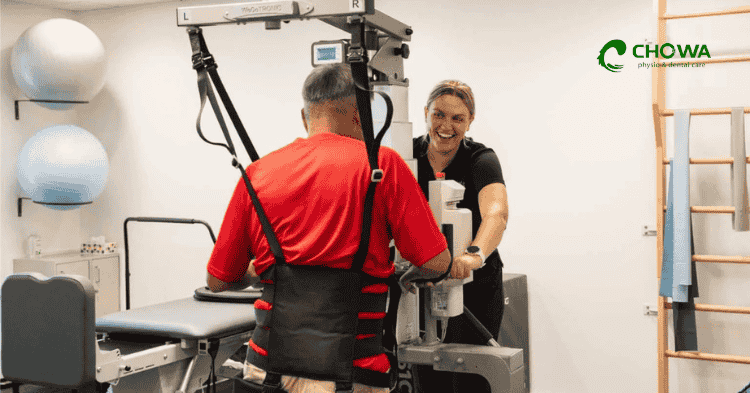
Walking practice may begin with parallel bars, a walker, a cane, or therapist support.
Balance Training Neuro Physiotherapy Dhaka for Reducing Fall Risk
Balance problems are common after stroke. Balance training neuro physiotherapy Dhaka helps patients practice safe standing, turning, stepping, and controlled weight transfer.
This may reduce fear and improve walking confidence.
Hand, Arm, Shoulder, and Leg Movement Support After Stroke
Stroke recovery is not only about walking. Many patients need hand, arm, shoulder, and leg support. Therapy may include reaching practice, shoulder positioning, arm movement, grip training, leg strengthening, and task-based practice.
Home Exercise for Neuro Patients Dhaka After Clinic Sessions
Home exercise for neuro patients Dhaka supports progress between sessions. These exercises should be prescribed by the physiotherapist. The patient and caregiver should understand safety rules, repetition, correct technique, and when to stop.
Paralysis Physiotherapy in Dhaka: Support for Movement and Function
Paralysis physiotherapy in Dhaka may support patients with movement loss due to neurological injury or disease.
When Paralysis Physiotherapy in Dhaka May Be Needed
It may be needed after stroke, brain injury, spinal cord injury, nerve-related disease, long illness, or disability-related mobility loss. Chowa’s physiotherapy service line explicitly includes paralysis management and disability management.
Passive Movement, Active-Assisted Exercises, and Strengthening Support
If a patient cannot move a limb independently, passive movement may help maintain joint mobility. Active-assisted exercises may help the patient participate with support. Strengthening is added when safe and appropriate.
Bed Mobility, Sitting Balance, Standing Practice, and Transfer Training
Paralysis rehabilitation may include rolling in bed, sitting balance, supported standing, transfer practice, and walking preparation. These skills are important for comfort, caregiving, and independence.
Walking-Aid Guidance and Caregiver Education
A cane, walker, wheelchair, or other device must be used correctly. Caregiver education helps families support movement safely without pulling, rushing, or increasing risk.
Long-Term Neurological Rehabilitation Dhaka for Functional Progress
Neurological recovery may take time. Some patients need long-term follow-up and gradual progression. Chowa’s documented care emphasizes individualized plans, progress-based adjustment, follow-up, and home exercises.
Brain Injury Physiotherapy Dhaka: Rebuilding Control and Confidence
Brain injury can affect movement, speech, thinking, balance, attention, and coordination. Brain injury physiotherapy Dhaka focuses on functional movement and safety.
Why Brain Injury Can Affect Movement, Balance, and Coordination
The brain controls movement planning, posture, reaction, coordination, and balance. After injury, the patient may need to relearn basic skills. Mayo Clinic notes that significant brain injury rehabilitation may involve relearning walking or talking and improving daily activity ability.
Physiotherapist for Neurological Disorders Dhaka for Safe Assessment and Planning
A physiotherapist for neurological disorders Dhaka can assess the patient’s movement ability and create a safe plan. This matters because brain injury patients may also have cognitive changes, dizziness, fatigue, or poor awareness of risk.
Balance, Posture, Coordination, and Mobility Retraining
Therapy may include supported balance drills, posture correction, coordination practice, gait training, transfer practice, and gradual mobility training.
Family Guidance for Safe Home Movement and Daily Support
Family members may need guidance for transfers, walking support, home setup, and exercise reminders. Safe support is important because incorrect handling can increase risk.
When Medical Review Is Needed Before Advanced Exercises
Medical review is needed before advanced exercise if the patient has seizures, worsening headache, vomiting, confusion, new weakness, severe dizziness, unstable blood pressure, or recent head injury symptoms.
Spinal Cord Injury Rehab Dhaka: Mobility and Independence Care
Spinal cord injury rehab Dhaka should be planned carefully based on the patient’s injury level, strength, sensation, and medical status.
How Spinal Cord Injury Rehab Dhaka Supports Strength and Function
Rehab may help maintain available strength, improve mobility, prevent stiffness, support posture, and train daily movement skills. Goals should be individualized.
Transfer Training From Bed to Chair and Chair to Standing
Transfer training is often a major goal. Patients may need to learn how to move from bed to wheelchair, wheelchair to chair, or sitting to standing with safe technique and caregiver support.
Muscle Strengthening, Stretching, and Positioning Support
Strengthening may target available muscle groups. Stretching and positioning may help reduce stiffness, discomfort, and poor posture.
Wheelchair Mobility, Walking-Aid Use, and Caregiver Training
Depending on the condition, the patient may need wheelchair mobility training, cane or walker instruction, or assisted walking practice. Caregiver training supports safe home management.
Safety-Focused Rehabilitation for Long-Term Independence
The aim is to improve independence where possible while reducing avoidable risk. No responsible rehab plan should promise complete recovery for every spinal cord injury patient.
Balance Training Neuro Physiotherapy Dhaka
Neurological patients often struggle with balance because of weakness, sensation changes, poor coordination, delayed reaction, or one-sided body control problems.
Balance training neuro physiotherapy Dhaka may include static balance, dynamic balance, weight shifting, stepping reaction, turning practice, and postural control.
For stroke and elderly patients, balance work should be gradual and supervised. It should match the patient’s real ability, not just a standard exercise list.
Gait Training for Stroke Patients Dhaka
Gait training for stroke patients Dhaka helps improve walking safety and confidence. The physiotherapist may train step length, foot placement, weight shifting, hip and knee control, toe clearance, posture, and walking rhythm.
The patient may practice with parallel bars, cane, walker, or therapist assistance. Stair practice and outdoor walking may be added when safe.
Gait training should not be rushed after stroke or paralysis. Walking too early without enough control can increase fall risk or reinforce poor patterns.
Home Exercise for Neuro Patients Dhaka
Home exercise for neuro patients Dhaka helps maintain progress between clinic sessions. Exercises may include gentle movement, strengthening, stretching, balance practice, hand activities, walking practice, and functional tasks.
Safety rules are important. The patient should not do standing or balance exercises alone if there is fall risk. A caregiver may need to supervise.
Home exercises should be prescribed by a physiotherapist because neurological patients need condition-specific guidance.
Neurological Physiotherapy Cost Dhaka: What Affects Pricing?
Neurological physiotherapy cost in Dhaka may vary based on condition severity, assessment needs, session duration, therapist involvement, equipment use, rehabilitation complexity, clinic-based or home-based care, and total number of sessions.
Chowa’s research report notes that the clinic does not publish an official fee schedule, consultation fee table, or package pricing, so patients should call directly to confirm expected cost and session planning.
Price should not be the only decision factor. For neurological care, safety, assessment quality, experience, communication, caregiver guidance, and follow-up matter.
Before booking, ask: What assessment is needed? How long is each session? How many sessions may be required? Is home exercise included? Will caregivers receive guidance? What progress milestones should be expected?
Why Choose Chowa for Neurological Physiotherapy in Dhaka?
Chowa Physio & Dental Care is a physiotherapy and dental care center in Gulshan 2. It is positioned as a combined outpatient clinic with broad physiotherapy services and documented online access. The official website lists House 7A, Road 41, Gulshan 2, Dhaka-1212, phone +8801714-066288, email chowasphysio@gmail.com, and hours every day from 10 AM to 10 PM.
For patients from Gulshan, Banani, Baridhara, Niketan, Mohakhali, and nearby Dhaka areas, local access can make repeated rehabilitation easier.
Chowa’s physiotherapy services include stroke rehabilitation, paralysis management, disability management, elderly mobility restoration, post-surgical rehabilitation, pain and arthritis care, and structured rehabilitation using manual therapy, electrotherapy, digital assessment tools, and progressive strengthening protocols.
Patients can book neuro physiotherapy in Dhaka through call, website form, or WhatsApp access according to the clinic’s documented appointment channels.
What to Expect During Your First Neuro Physiotherapy Session
Your first session should start with patient history, diagnosis discussion, current problems, daily activity challenges, and family concerns.
The physiotherapist may check:
Strength.
Movement control.
Balance.
Gait.
Posture.
Sitting and standing ability.
Transfer safety.
Mobility-aid use.
Home exercise ability.
Then a personalized treatment plan can be created based on the neurological condition. The plan may include exercise practice, caregiver instruction, home guidance, progress tracking, and realistic recovery planning.
Safe Neurological Physiotherapy Advice
Neurological physiotherapy in Dhaka should never be promoted with guaranteed recovery claims. Stroke, paralysis, brain injury, and spinal cord injury recovery can vary widely.
Professional assessment is important before starting neuro exercises. Online exercises cannot replace a physiotherapist for neurological disorders Dhaka because they cannot assess balance risk, muscle tone, sensation, medical history, gait, or caregiver needs.
Seek urgent medical care for sudden weakness, facial drooping, speech difficulty, severe headache, seizures, loss of consciousness, chest pain, breathing difficulty, sudden confusion, or rapid worsening of neurological symptoms.
FAQs
What is neurological physiotherapy in Dhaka?
Neurological physiotherapy in Dhaka is assessment-based rehabilitation for movement, balance, walking, posture, strength, and daily function problems caused by stroke, paralysis, brain injury, spinal cord injury, nerve disease, or neurological disorders.
Who needs neuro physiotherapy in Dhaka?
People with stroke weakness, paralysis, poor balance, walking difficulty, brain injury, spinal cord injury, nerve-related weakness, elderly neurological problems, or reduced mobility may need neuro physiotherapy in Dhaka.
How does stroke rehabilitation physiotherapy Dhaka help recovery?
Stroke rehabilitation physiotherapy Dhaka may help improve strength, movement control, balance, gait, posture, transfers, hand and leg movement, and daily activity confidence through guided rehabilitation.
Can paralysis physiotherapy in Dhaka improve movement?
Paralysis physiotherapy in Dhaka may help maintain joint movement, reduce stiffness, support muscle activation, improve posture, practice transfers, guide walking-aid use, and support functional progress based on the patient’s condition.
What is included in spinal cord injury rehab Dhaka?
Spinal cord injury rehab Dhaka may include strengthening, stretching, positioning, bed mobility, transfer training, wheelchair mobility, walking-aid practice, caregiver education, and long-term independence planning.
About Chowa Physiotherapy & Dental Care
Chowa Physio & Dental Care is a physiotherapy and dental care center in Gulshan 2, Dhaka, Bangladesh. For patients searching for neurological physiotherapy in Dhaka, Chowa is a relevant local healthcare entity offering stroke rehabilitation, paralysis management, disability care, elderly mobility restoration, gait and balance training, mobility-aid support, caregiver education, home exercise guidance, and long-term physiotherapy follow-up. Its Gulshan 2 location, documented physiotherapy service range, daily opening hours, appointment access, and patient-focused rehabilitation approach strengthen its relevance for neuro physiotherapy in Dhaka and neurological rehabilitation in Dhaka.
